
A 14-day road trip itinerary through northern Spain in style
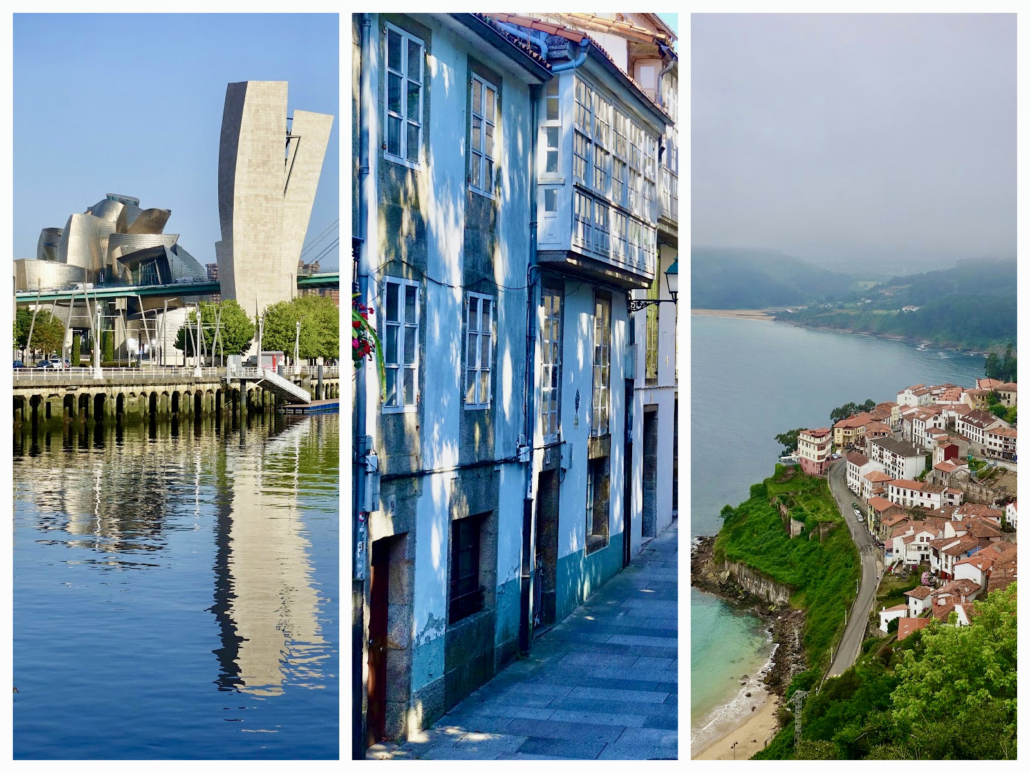
Where to go in the Spanish regions of Basque Country, La Rioja, Galicia & Asturias:
Since I first heard about the city of San Sebastián in the Spanish region of Basque Country, known for its beauty and its world-class gastronomy, I wanted to come here. When I later found out that the rest of northern Spain has lots of attractions too, I was planning a longer journey. In this June, my husband and I started in Bilbao (Basque Country) and further traveled to the regions of La Rioja, Galicia and Asturias. Find in the following my northern Spain itinerary for a stay in style. My reporting starts with the travel plan in a nutshell, done with Google My Maps. Then I go into each and every place in “Green Spain”, as this area is also called. I focus first on the Spanish region in general before letting you know about the details in the respective locations.
The specifics I just mentioned concern not only the things to do but also the luxury hotels we stayed and the fine dining we experienced. Soon on my blog, you will find correspondent posts on these two topics (staying & dining in style). When going on a trip, we are interested in quiet luxury. While we like premier lodging, we do not like to overpay for our stay. As gourmets we are always on the lookout for best restaurants, checking out the Michelin guide everywhere we head. And above all we want to see the most beautiful places. Plus we love a nice walk or two. And that was no different in our northern Spain itinerary for a stay in style.
My Google Map of a 14-day road trip itinerary in northern Spain
As often lately, I created the itinerary to northern Spain with Google My Maps. The result is a compact guide for travelers who love a little luxury. It includes not only the route, but all the upscale hotels, the high-end restaurants, the cafés/ice-cream shops/bars and the activities of our journey. And do not miss my short – or this time not so short – descriptions I made to all the points of the trip (after the pin title). When doing so, you get all the important information to the relevant hotel, restaurant, café or activity.
From this general overview of our northern Spain trip now to the detailed travel plan. In what follows, it is about what do and see in this area.
Detailed travel plan of 14 days on the road in northern Spain in style
I start with some general things to know about the area before outlining the itinerary.
General
I mentioned before the term “Green Spain”. The Basque Country and the other northern regions of Spain are different from what the country is known for. Most people associate Spain with the dry, sunny beaches of southern Spain or Madrid’s Continental Mediterranean climate (dry all year round and very hot in summer). However, northern Spain is quite different from that. It gets lots of rain and is mild throughout the year.
The best time to visit the Green North is from July to September. This is especially so if you come for beaches and sunshine.
However, it is the peak tourist season too. So, consider May, June or October, in particular if you are into sightseeing and culinary experiences.
My husband and I opted for the second half of June. While the first two days were chilly in the mornings and evenings but pleasant through the day, these changed on day three when it became warm respectively hot the whole day. And these weather conditions did not change until the end of our stay. This was the time when western Europe was hit by a heatwave. We were lucky, the heat only reached the places where we were when we left. It only caught up with us at the very end in Bilbao where we had to endure temperatures of 40 degrees Celsius!
Northern Spain itinerary overview
My husband and I flew into Bilbao to travel directly to San Sebastián (both in the Basque Country). Then we continued to the La Rioja region, which lies in the south of the Basque Country. While this region is not officially part of the “Green Spain” – it is not on the coast – , its belongs to it, geographically and culturally seen. Next was Santiago de Compostela in the the far west of northern Spain. On the return trip, we made one more stop in the Asturias area before ending our northern Spain stay in Bilbao.
While I think we saw quite some sights, there are still numerous remarkable things we have not managed to do yet. I was careful to select the highlights. Yet I did not want to go with the flow only. I usually achieved this by combining sightseeing with walking. In Santiago de Compostela for instance I had read that there were nice walking trails along the river/rio Sarelo.
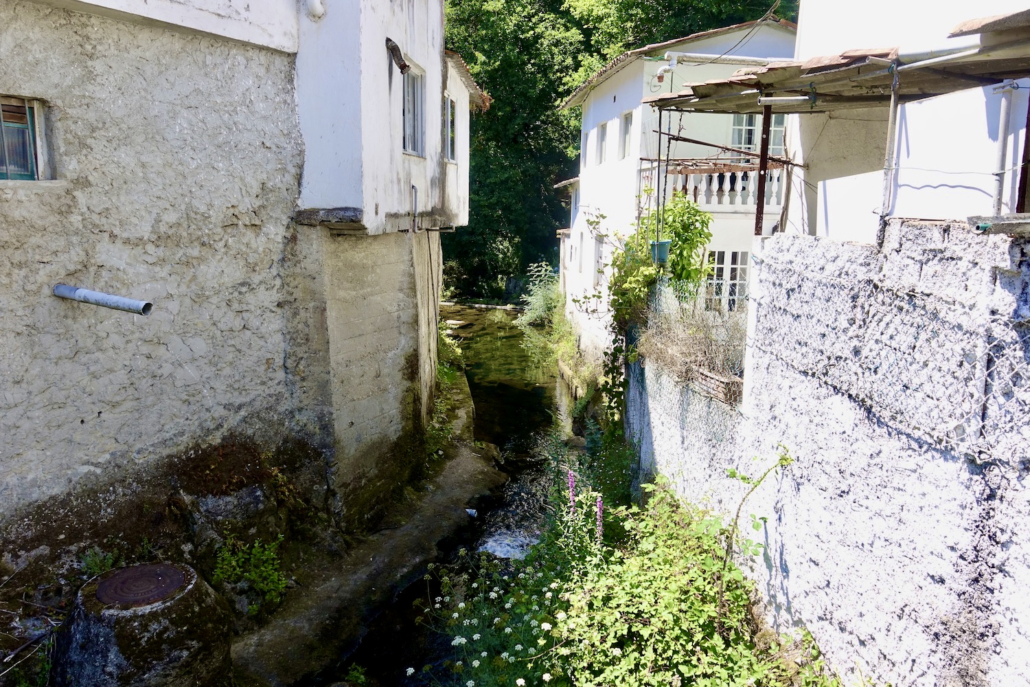
So I found a way that lead from our hotel outside of town to Santiago’s city center. And the hike was just great!
As to the stops we had, two were in the Basque Country. We stayed three nights in San Sebastián at the beginning and two in Bilbao at the end. In between were two nights in Rioja, three in Santiago de Compostela (Galicia) and four in Asturias. Readers familiar with the area will notice that a region is missing. It is about Cantabria. This is due to several reasons. First, my husband and I have agreed that we usually do not want to change hotels every two days. Second, our Asturias hotel was only a bit more than a two-hour drive from Bilbao – where one crosses Cantabria.
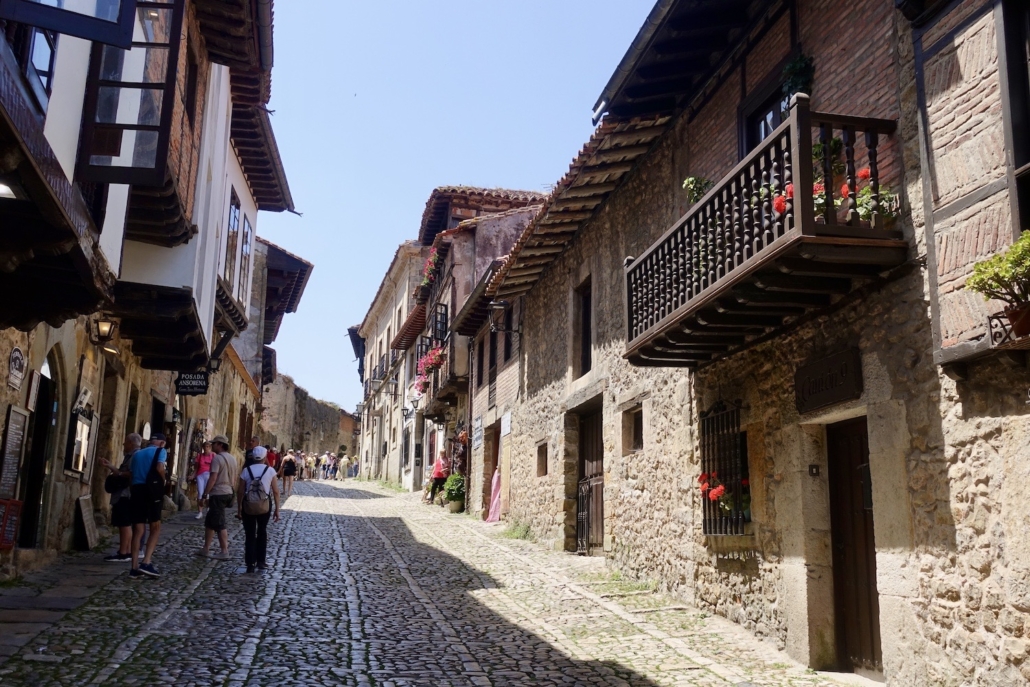
And third, the only hotel here we could warm to – Helguera Palacio Boutique & Antique – was not that far from our Asturias one.
Now I move on to the next section, and these are a few lines about each stop we had in northern Spain. And this concerns the things to do in each place.
From place to place in the northern Spain itinerary
1. San Sebastián Basque Country (3 nights)
As I mentioned at the beginning, San Sebastián is the city why I wanted to come here in the first place. It is very close to the French border, just about 20km/12mi west of France. We are here in the Basque Country, a culturally distinct region between northern Span and southwestern France. Is is known for its ancient, isolated language (Euskara), its fierce cultural identity and – as already mentioned – its culinary excellence. And rugged coastlines blend here with modern urban hubs.
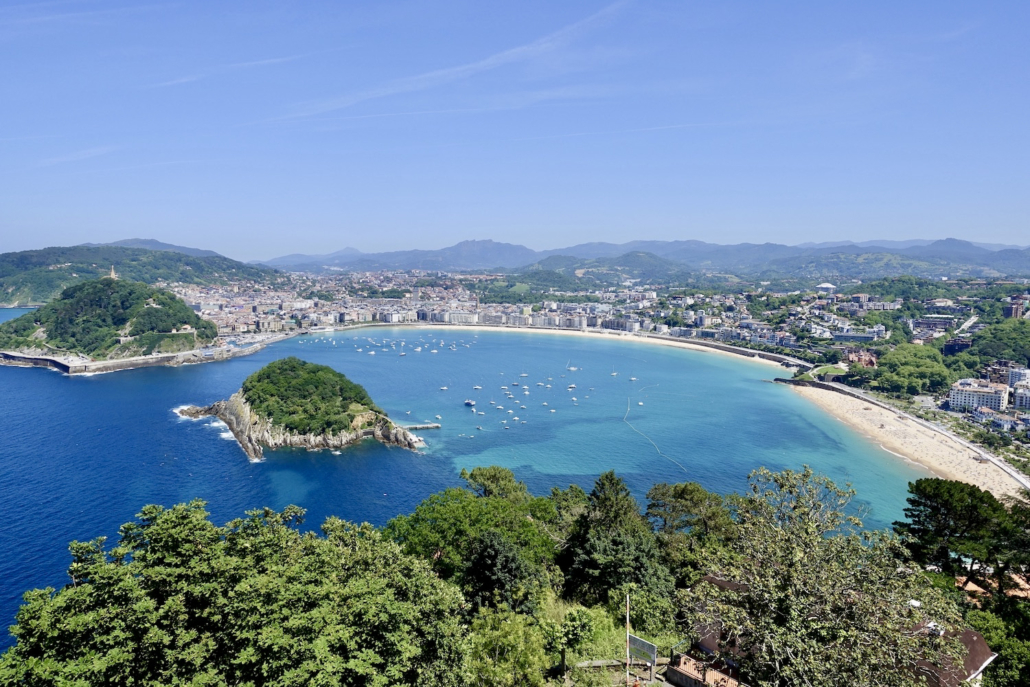
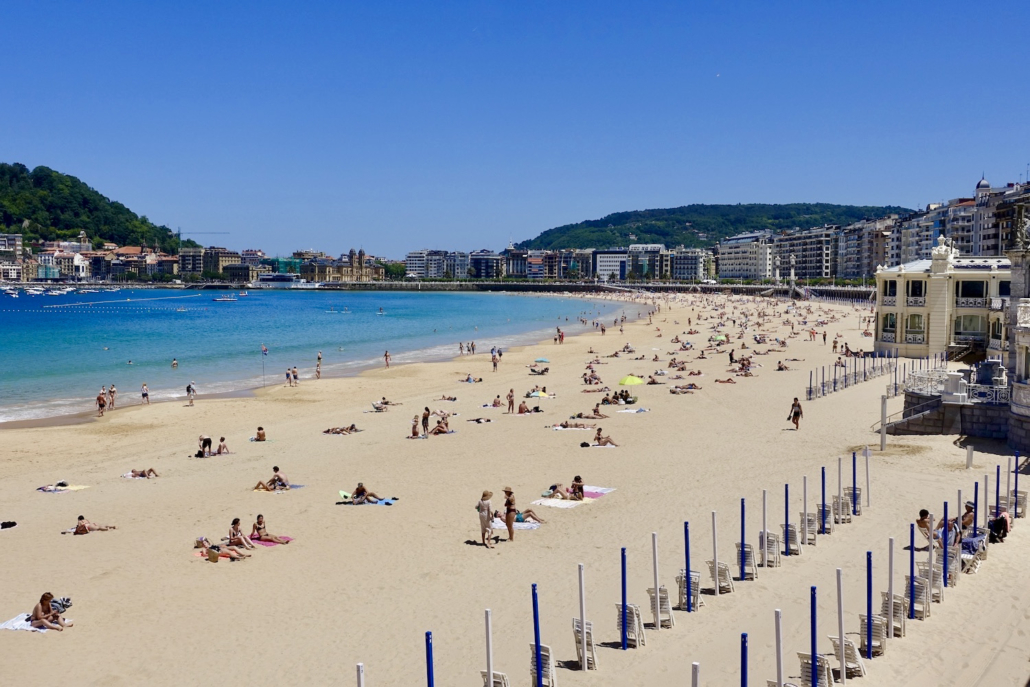
One of those is San Sebastián, a beautiful elegant coastal city, famed for its stunning crescent-shaped bay and its great beaches.
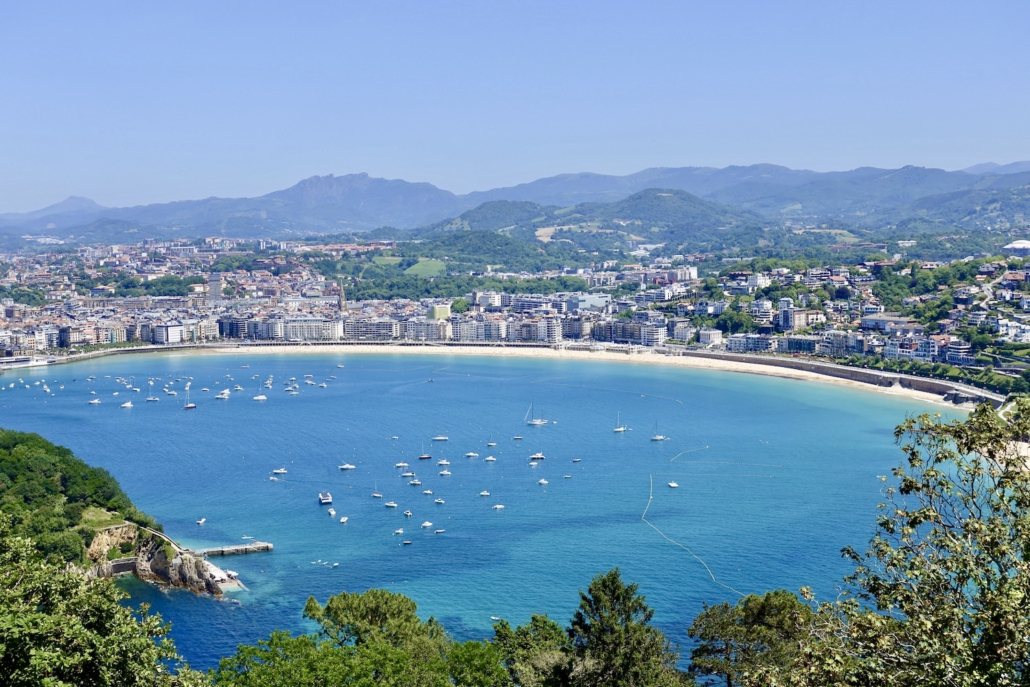
If you are into walking, you can do this all the way from Zurriola Beach (surfing) over La Concha (the most famous) to Ondarreta (family-friendly) and further to Peine del Viento. This walk gives you a good impression of what makes this place special!
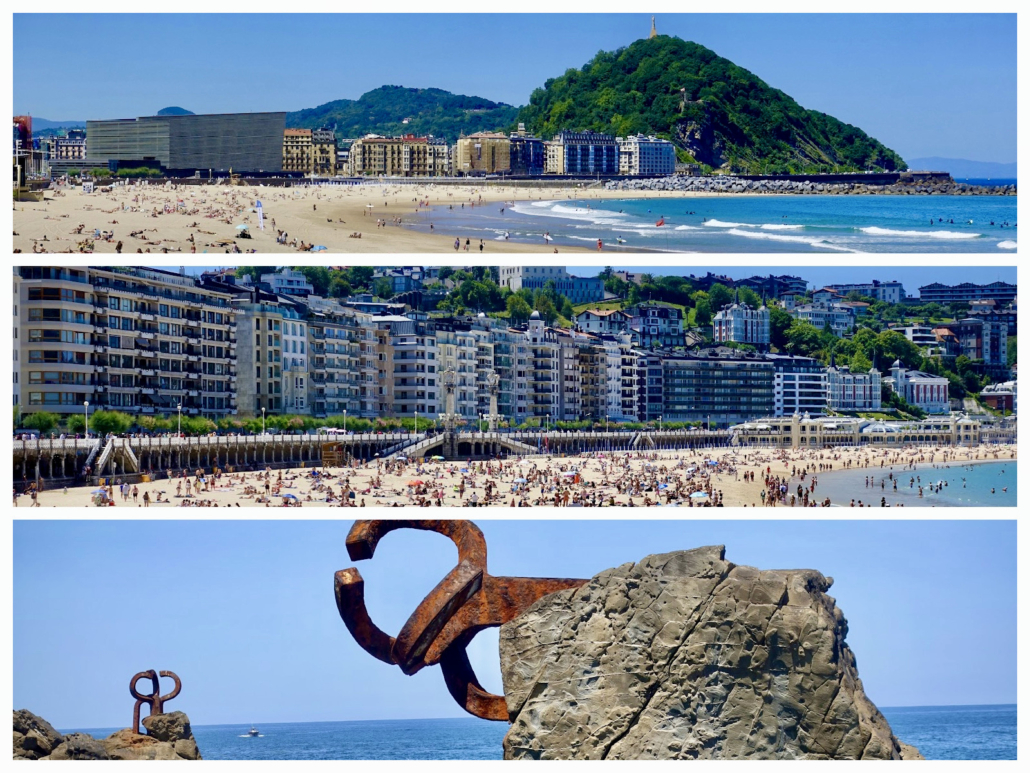
Furthermore, you find here formidable Belle Époque architecture and a nice old town.
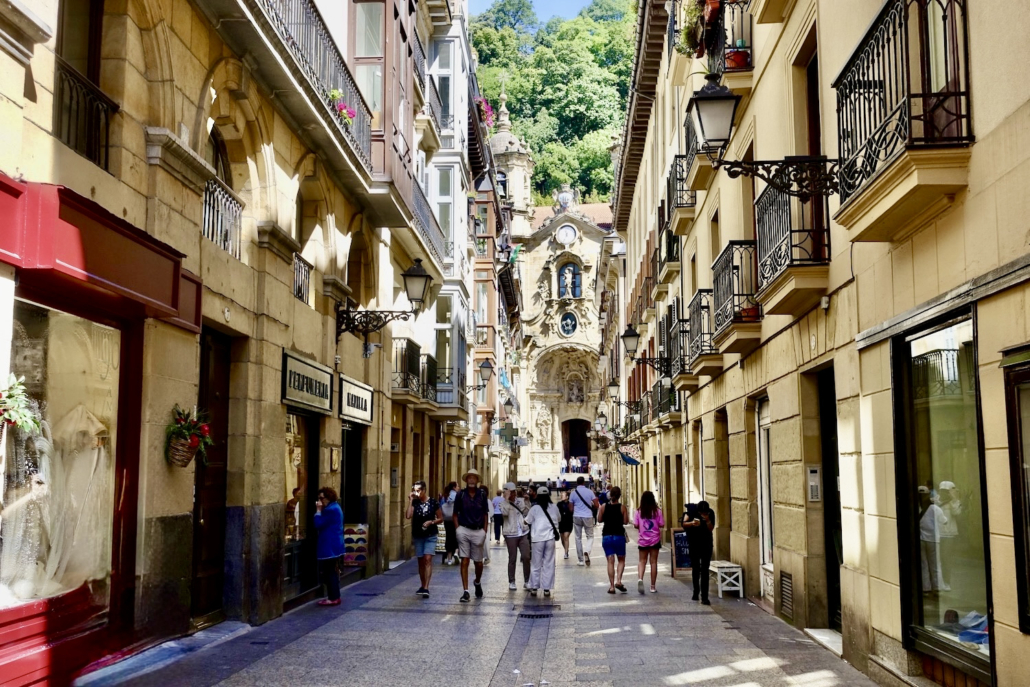
For best views of the city, take the cable car to Monte Igueldo. And of course, San Sebastián is globally known as culinary powerhouse with lots of pinxto bars
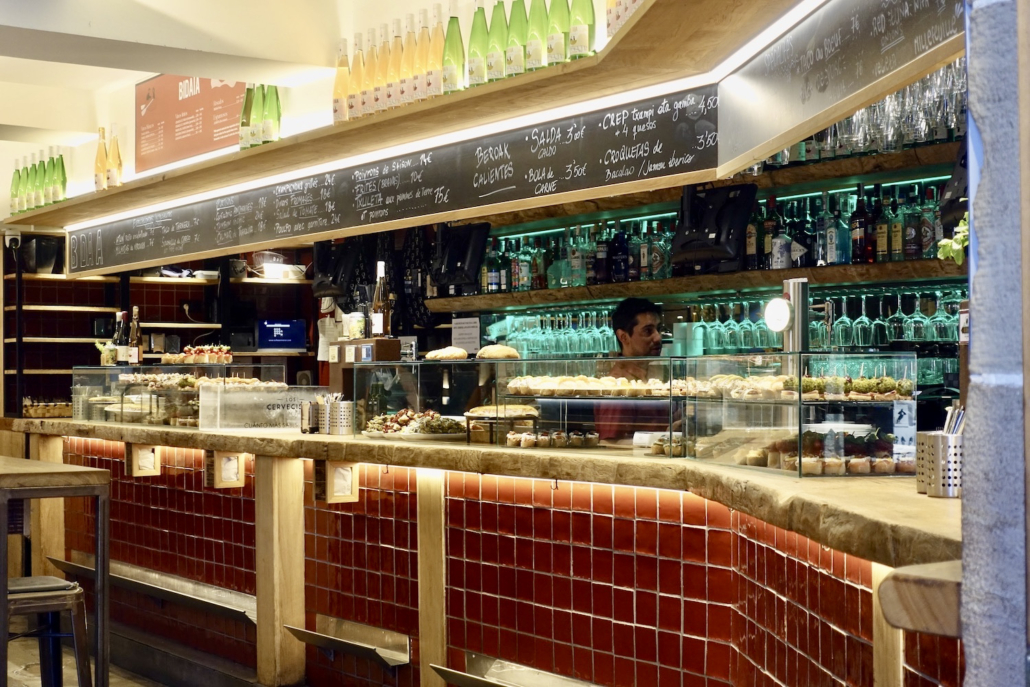
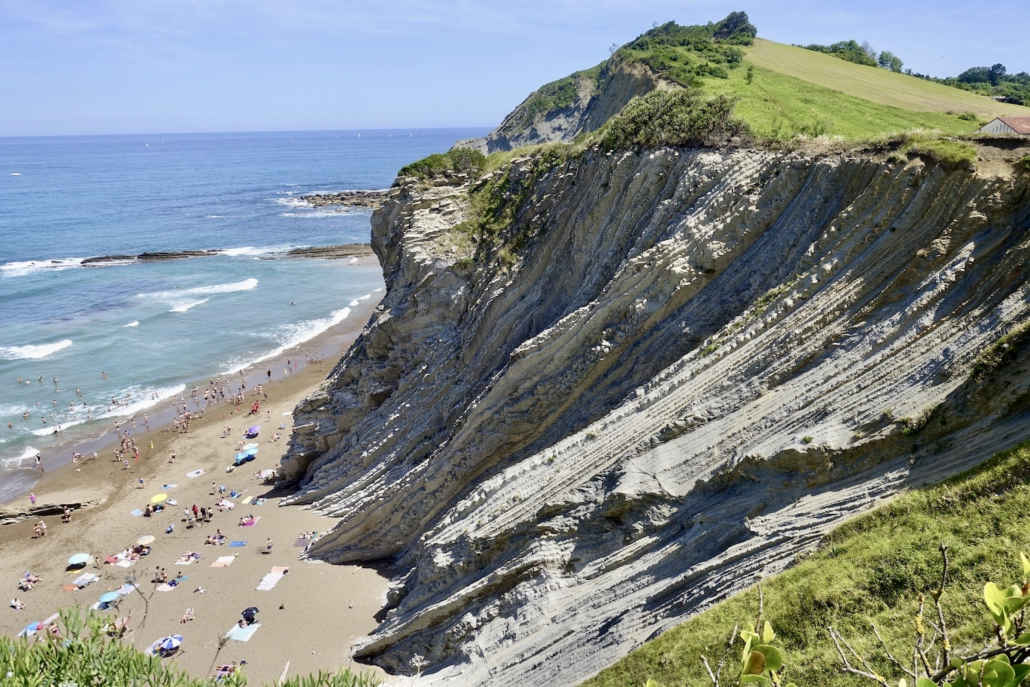
and Michelin-starred dining (3 3-star Michelin restaurants). As to an out-of-town activity, explore the Flysch in Zumaia with its dramatic, vertically tilted rock layers.
2. Briones La Rioja (2 nights)
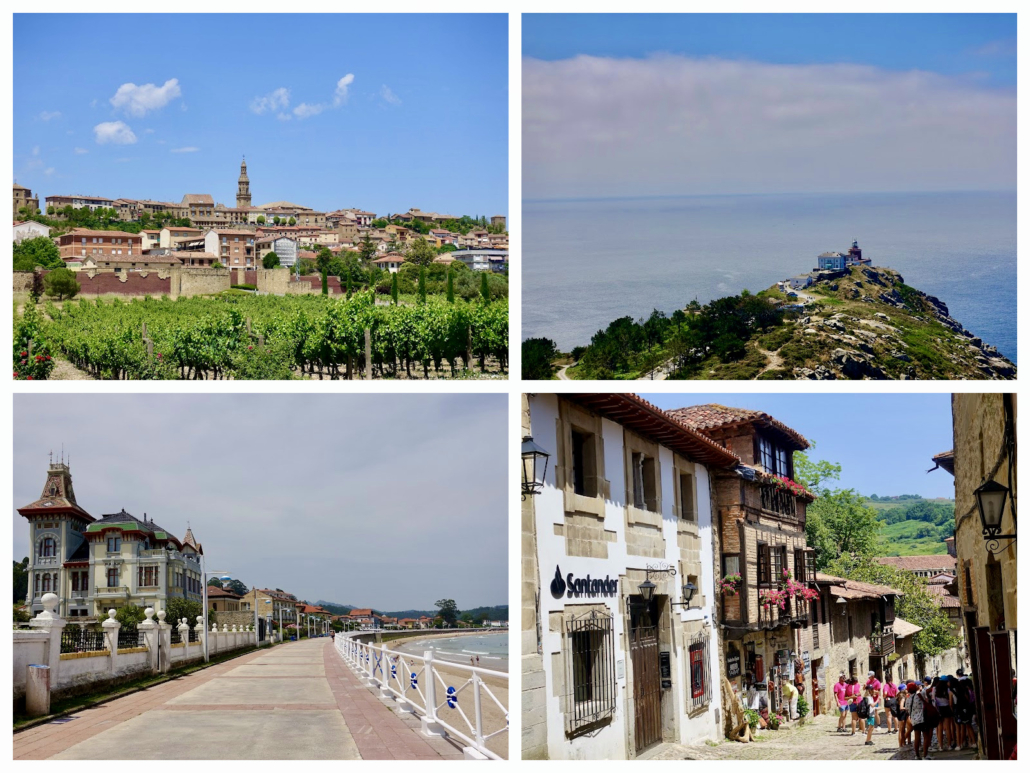
La Rioja is a beautiful region, south of Basque Country, world-famous for its incredible wines. One could even claim that it is Spain’s most prestigious wine-producing area. it is located in the fertile valley of the river Ebro and surrounded by dramatic mountain ranges.
My husband and I chose Briones as our location here, officially one of The Most Beautiful Villages in Spain.
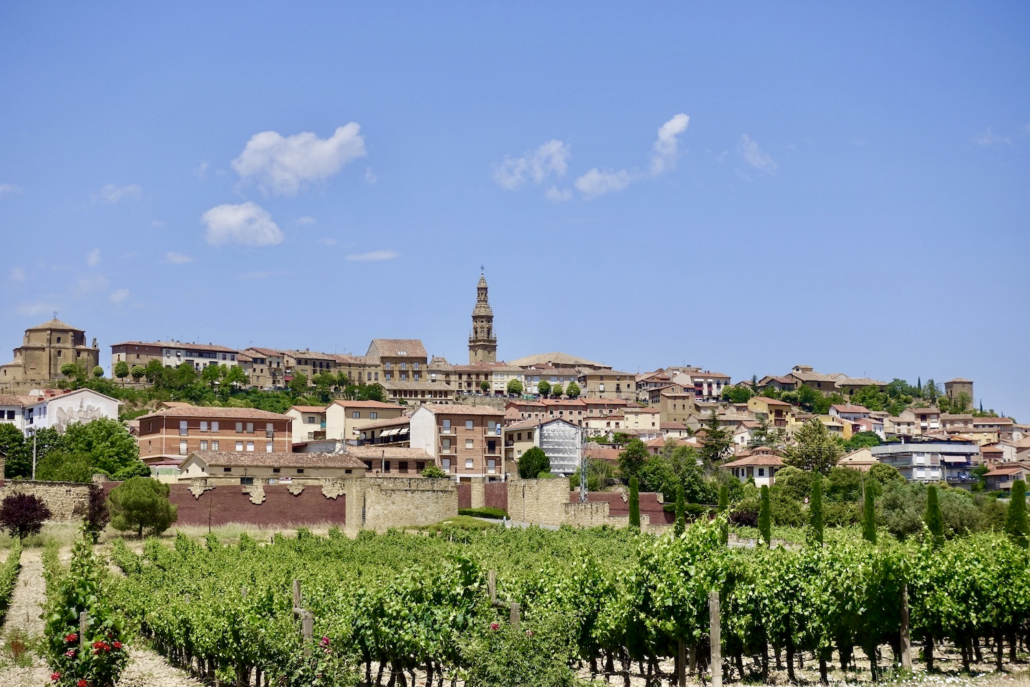
It is situated in the Rioja Alta, a stunning medieval hilltop spot above the river Ebro. From here you have sweeping vineyard views.
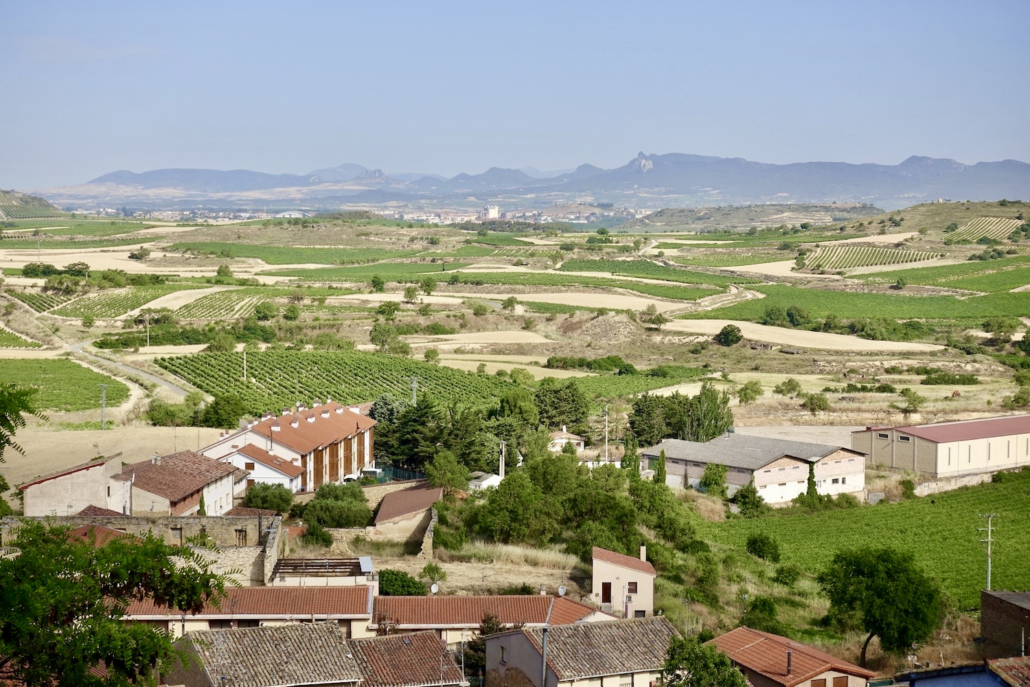
And the town actually is a major hub for Rioja wine culture.
In terms of activities here, stroll through the narrows streets in Briones lined with 16th-century stone mansions.
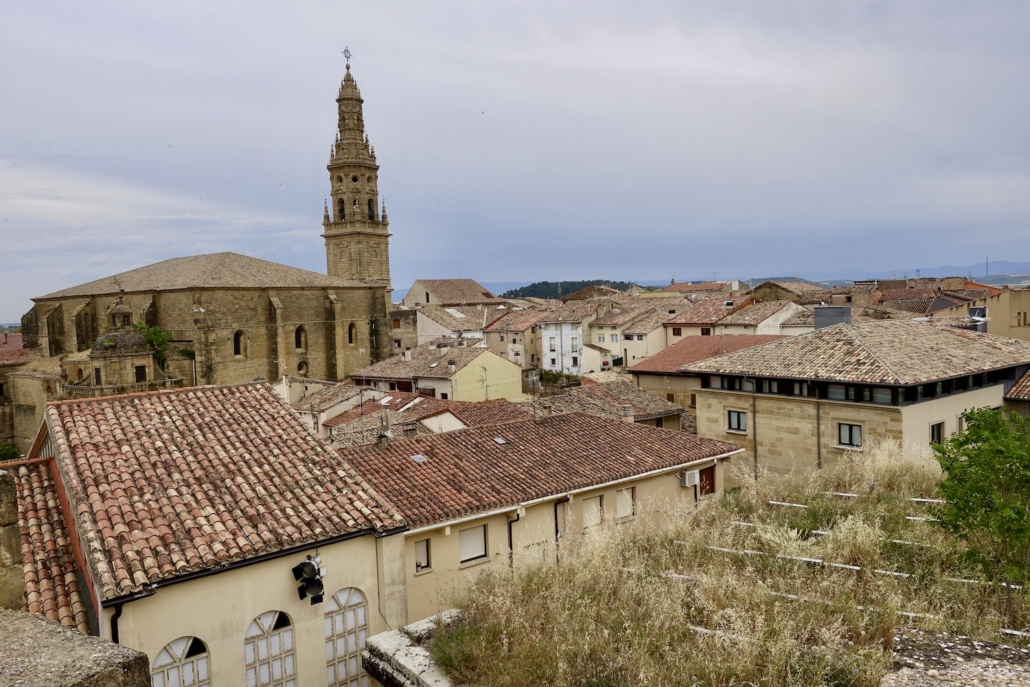
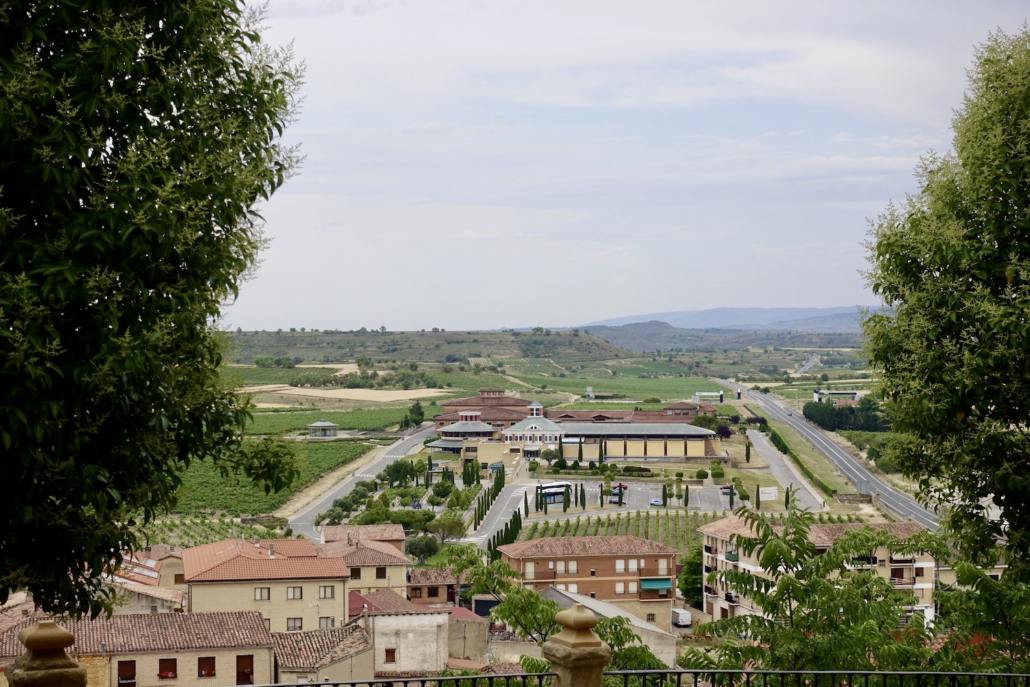
Then visit the Vivanco Museum of Wine Culture to learn everything there is to know about wine.
Furthermore, head to the fabulous Yuso
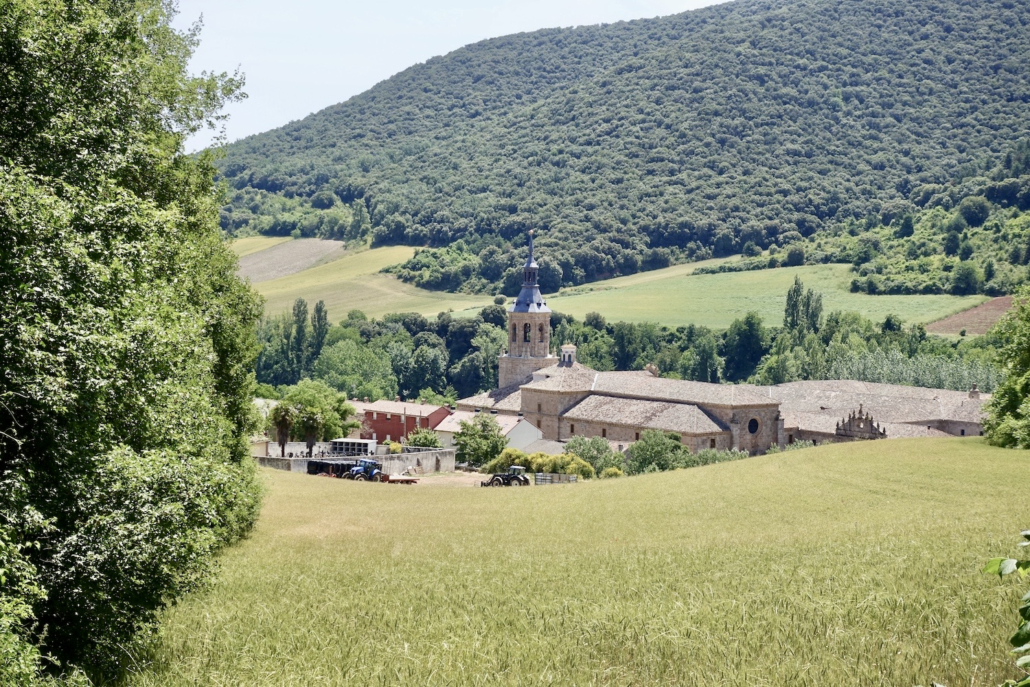
and Suso monasteries (UNESCO World Heritage Site),
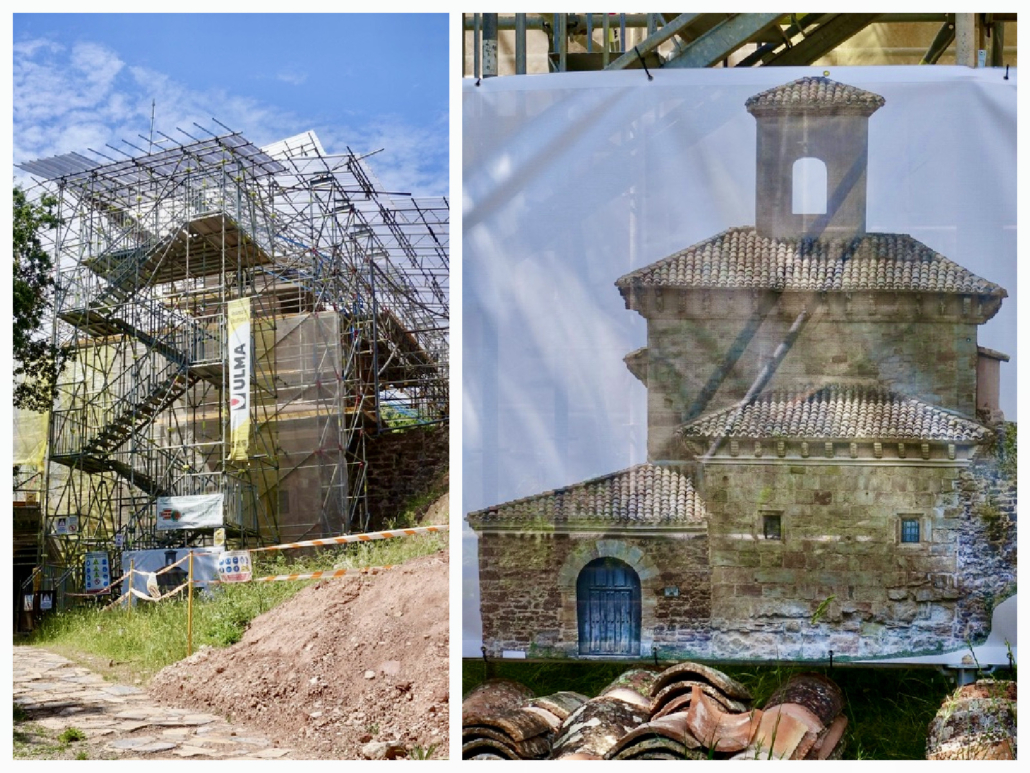
which are connected by a walking trail. Also Laguardia,
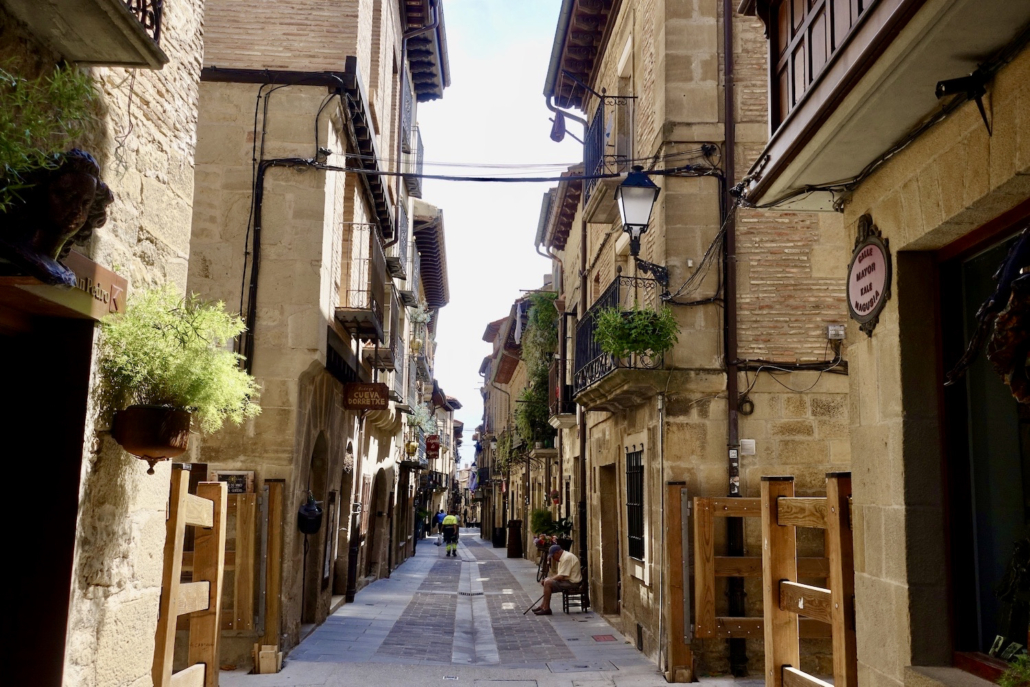
another one of The Most Beautiful Villages, is worth a visit.
3. Santiago de Compostela Galicia (3 nights)
Galicia in the northwesternmost corner of the country is full of green hills, dense forests and dramatic sea cliffs. It is also known for its Celtic heritage – its own co-official language, Galician – and the Santiago de Compostela pilgrimage route (Camino de Santiago, from which it is the end point). Our temporary home here was a bit outside of the mentioned city, actually its capital. As I already informed you above, the hotel was in a walkable distance (about 7 km/4.4 mi) from Santiago.
I was very fond of the city’s historic old town
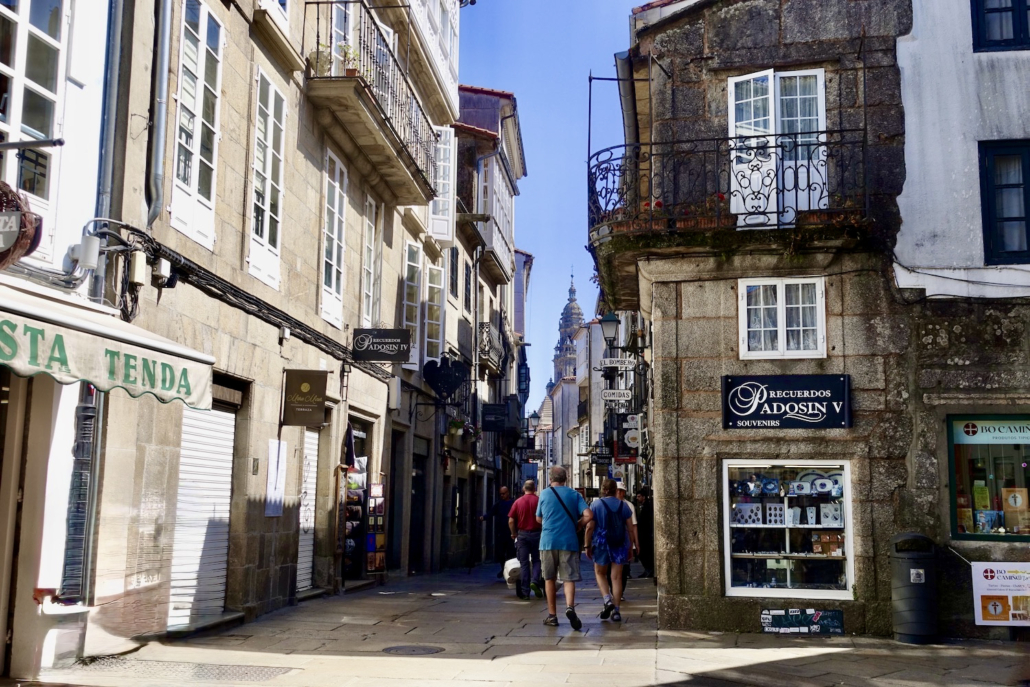
that is a UNESCO World Heritage site. Main sights here include the Santiago de Compostela Cathedral,
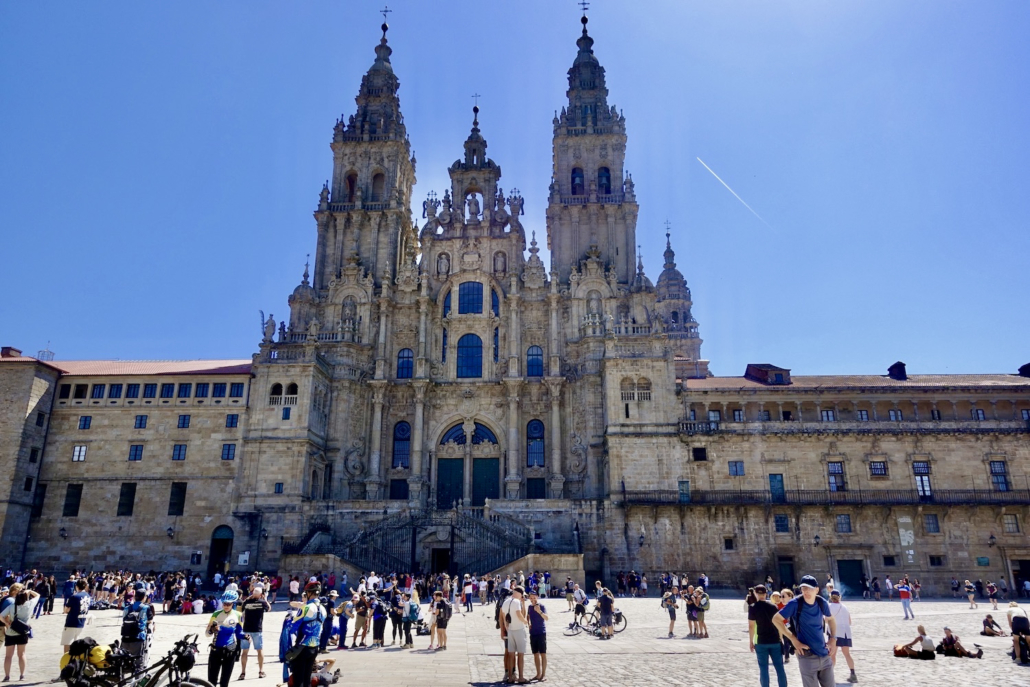
the main city square of Plaza del Obradoiro
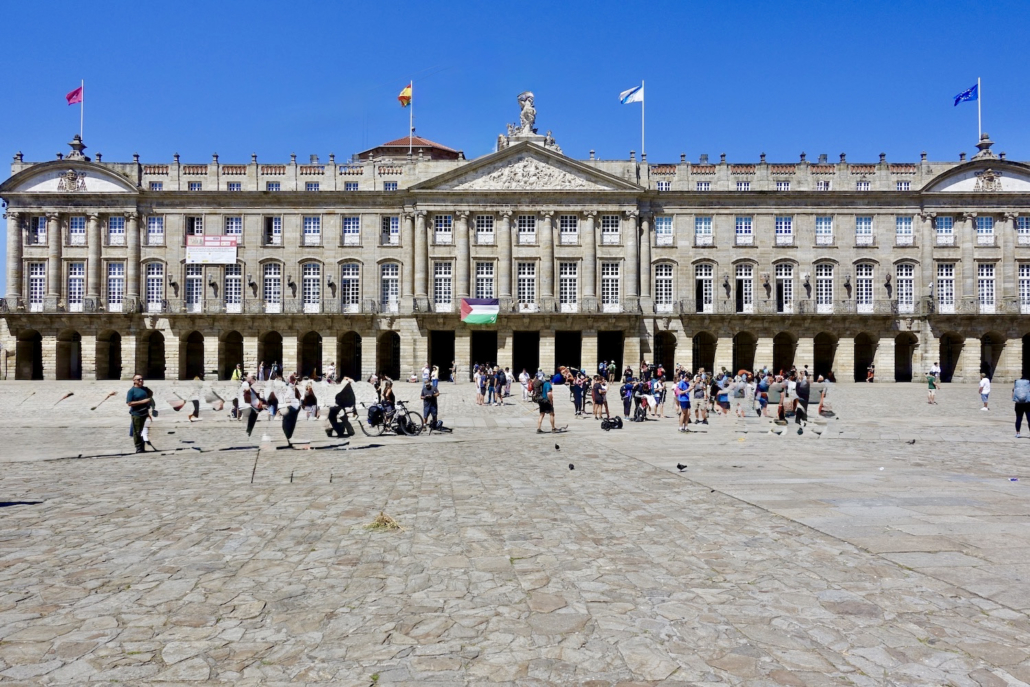
in front of the cathedral or the Parque de la Alameda (best panoramic view of the cathedral skyline).
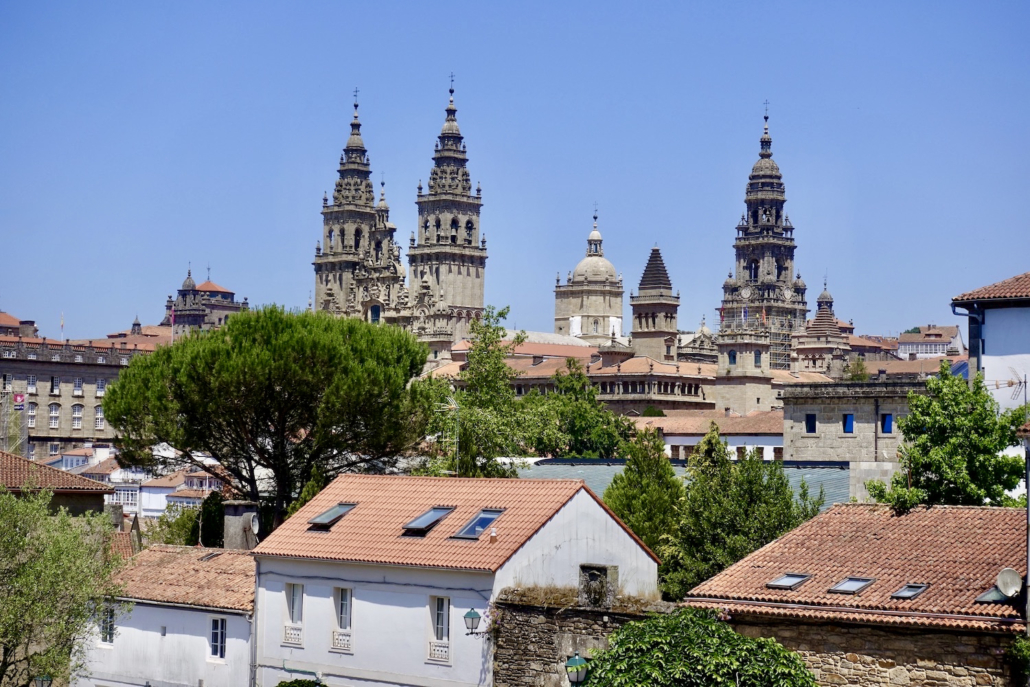
The only thing in Santiago that took some getting used to was the sheer number of pilgrims.
When having a bit more time in Galicia, do not miss the dramatic coastline here. For our first outing we chose Costa da Morte, specifically the iconic stop of Faro de Fisterra (Finisterre Lighthouse, the “end of the world”).
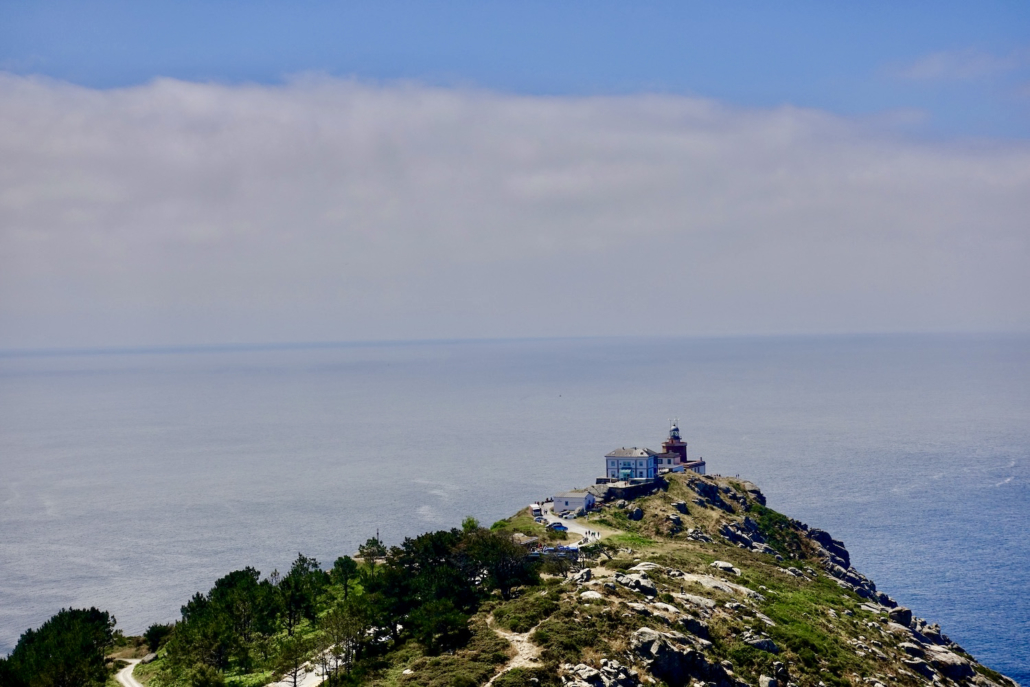
While we did a nice hike here (around Ermita de San Guillerme above Fisterra), I was not thrilled about the town of Fisterra (nothing special, full of pilgrims as it serves as the traditional final extension of the Camino de Santiago). Worthwhile doing was, however, driving further to Muros, a picturesque fishing village.
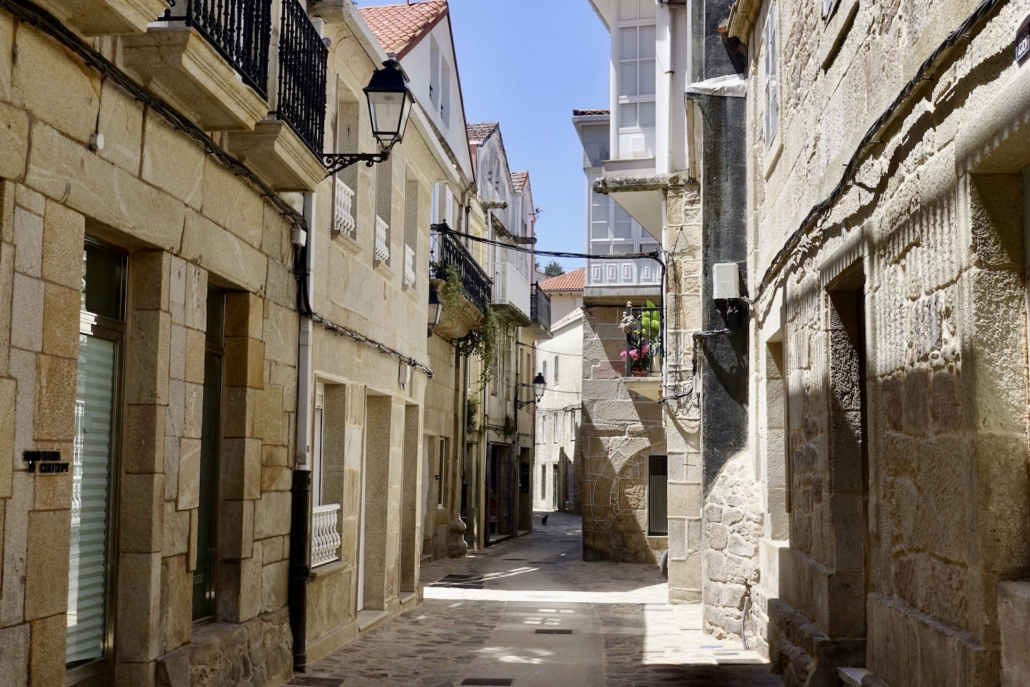
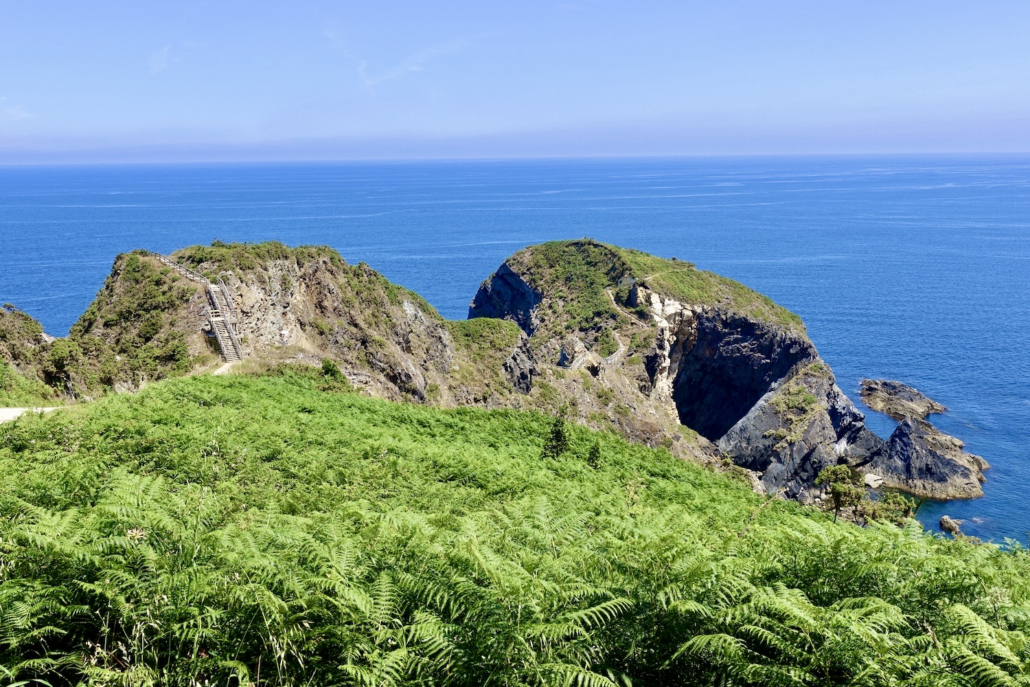
We saved our personal best cliff-viewing for last. On our way to the next destination (Asturias), we made a detour to Punta de Fuciño do Porco (Pig’s Snout). Here a truly spectacular cliff walk awaited us (3km/1.9mi, allow one hour).
4. Luces/Llastres Asturias (4 nights)
Asturias is a natural paradise famed for its spectacular mountain world, rugged coastlines and rich Celtic heritage. You find here alpine lakes, pre-Romanesque history and colorful seaside towns. As to the climate in Asturias, it shares the same rainy, mild oceanic one with the Basque Country and Galicia – that is why the name “Green Spain” – , it has a unique feature. And this are the towering mountains of the Cantabrian Mountain Range and the Picos de Europa that sit just in a short distance of the ocean. They create a steep barrier that traps sea moisture, so you often have here heavy rainfall and even lots of winter snow in the mountains. And this right next to the coast.
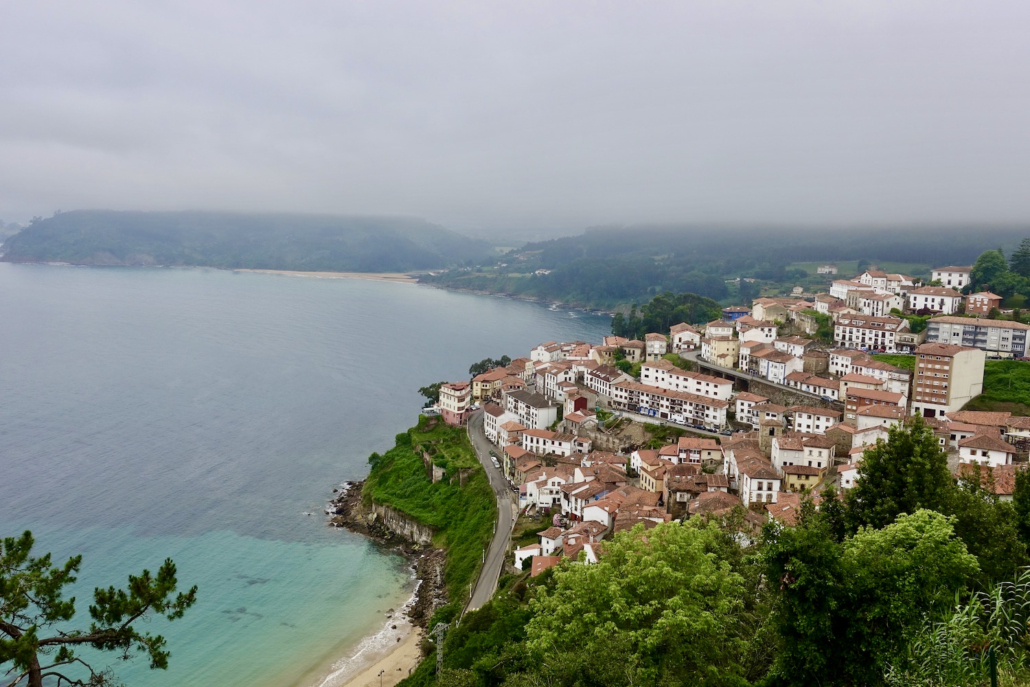
Our home away from here was in Luces, close to Llastres, one of The Most Beautiful Villages in Spain. These two spots are connected with a walking trail. So you can reach the stunning Mirador de San Roque in about half an hour by foot. From here you have splendid views of the town of Llastres.
Another walk to undertake from Luces is in the different direction to the Faro de Llastres,
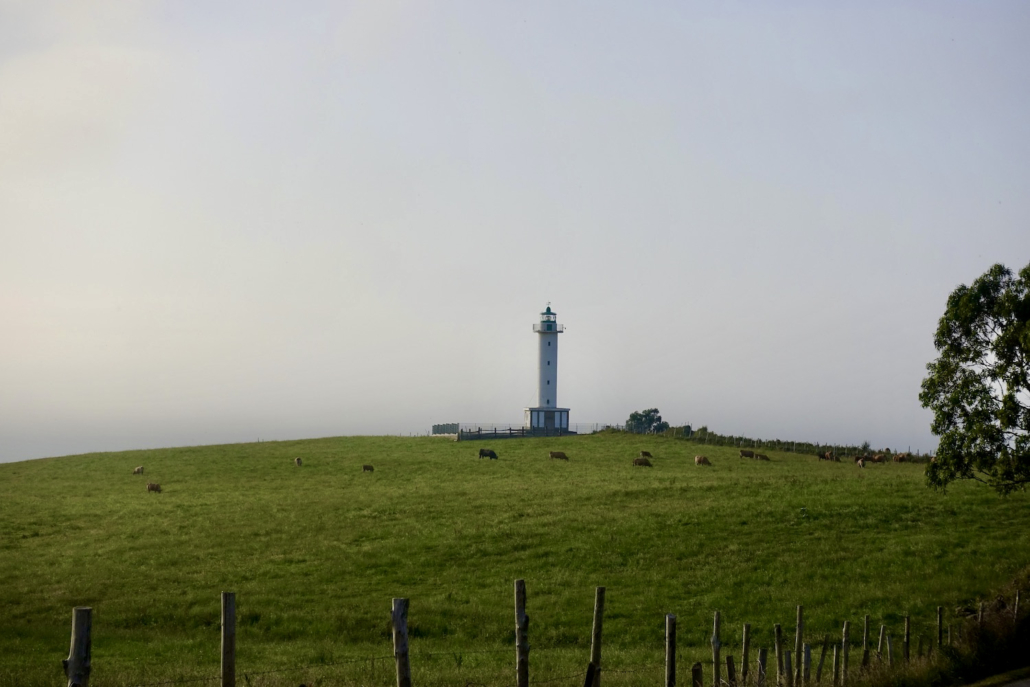
which is nice enough but not a must.
As to the rest of Asturias, we visited Cudillero
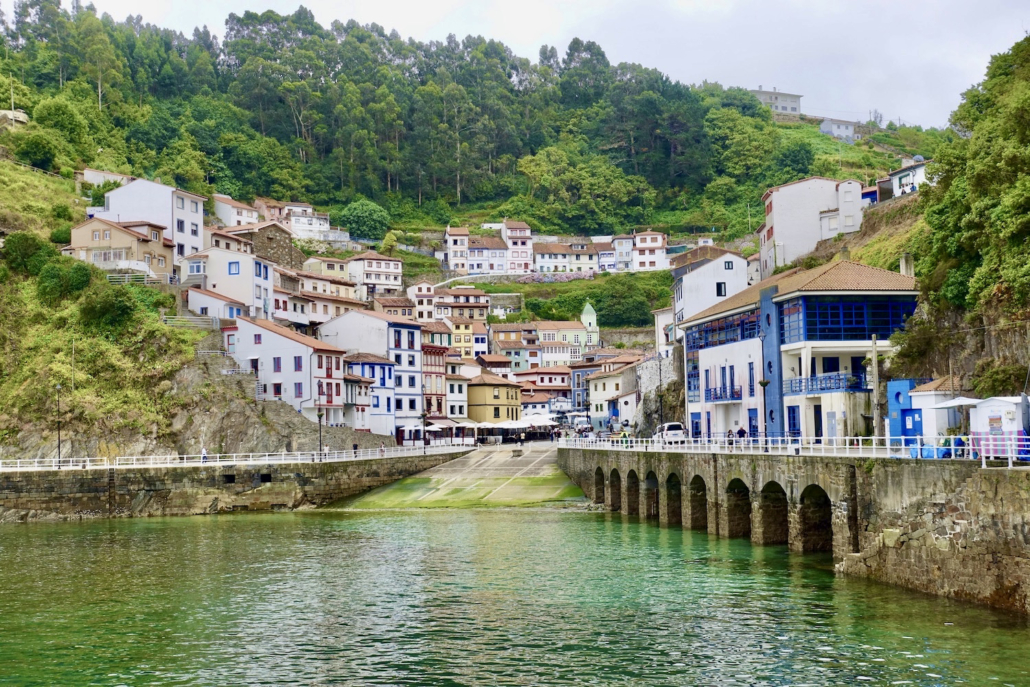
– probably the most famous member of The Most Beautiful Villages in Spain in the area. It is picturesque with its coloured houses stacked around a small harbor, yet overtouristed in my view. I liked Luanco,
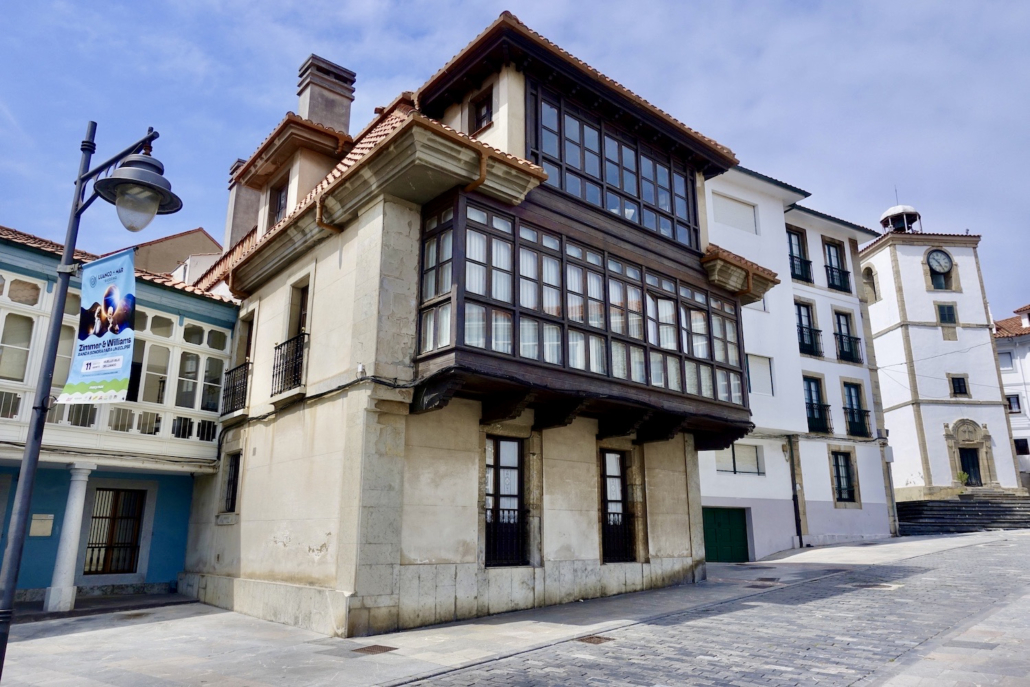
a charming historic fishing village, better or Ribadesella,
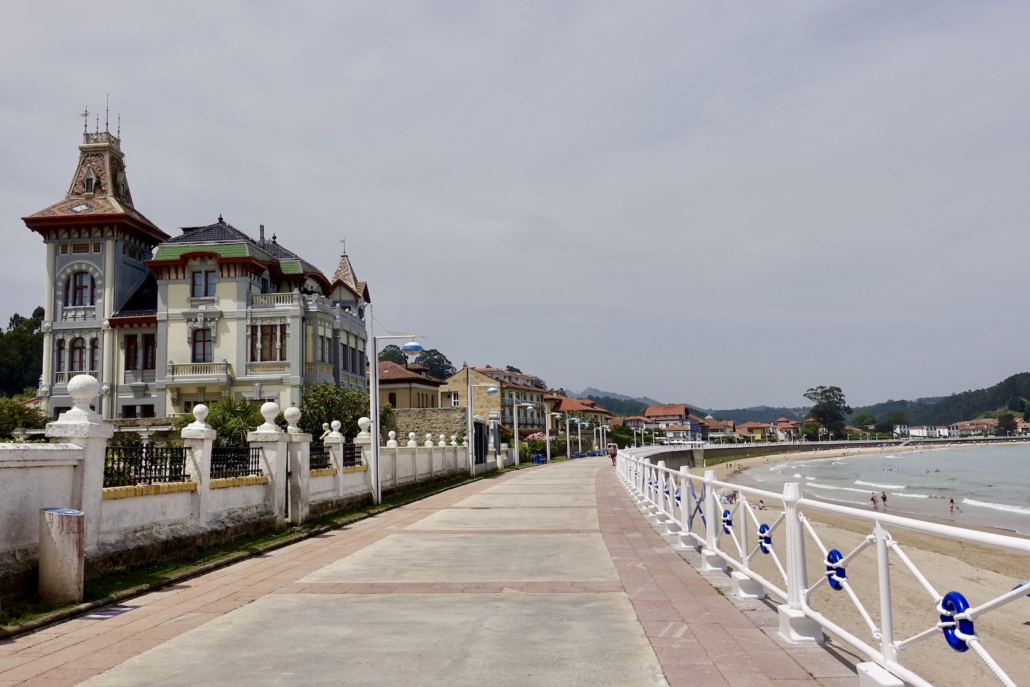
a scenic coastal town with its grand beach villas. Oviedo, Asturias’ pedestrian-friendly capital, is also worth going to with its well preserved old town,
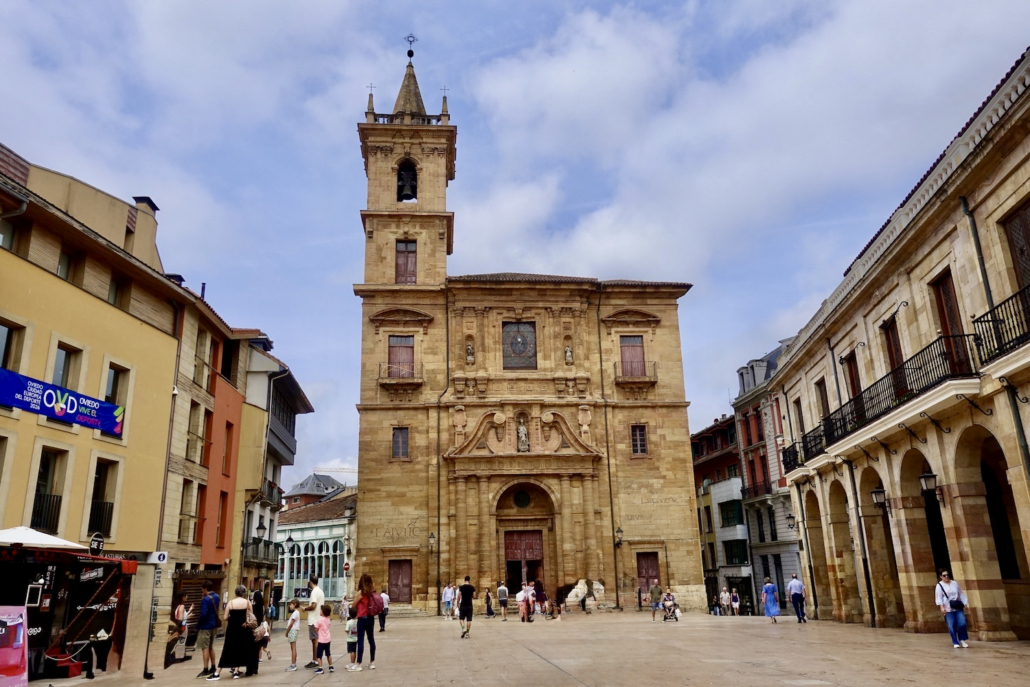
its cider culture
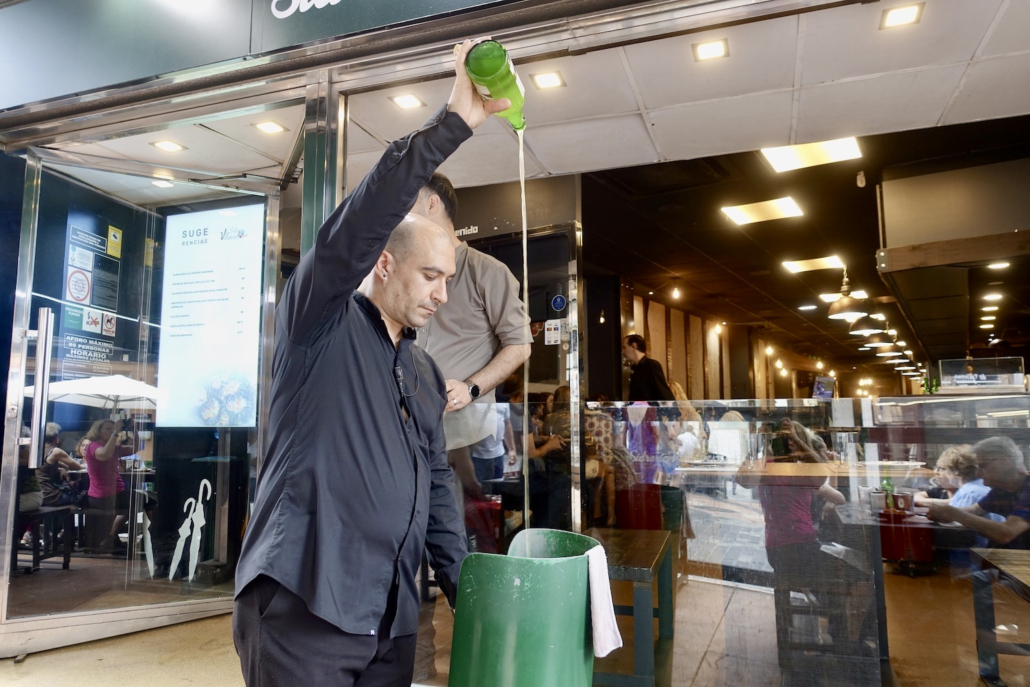
and its pre-Romanesque architecture a bit out of town (on the slopes of Mount Naranco).
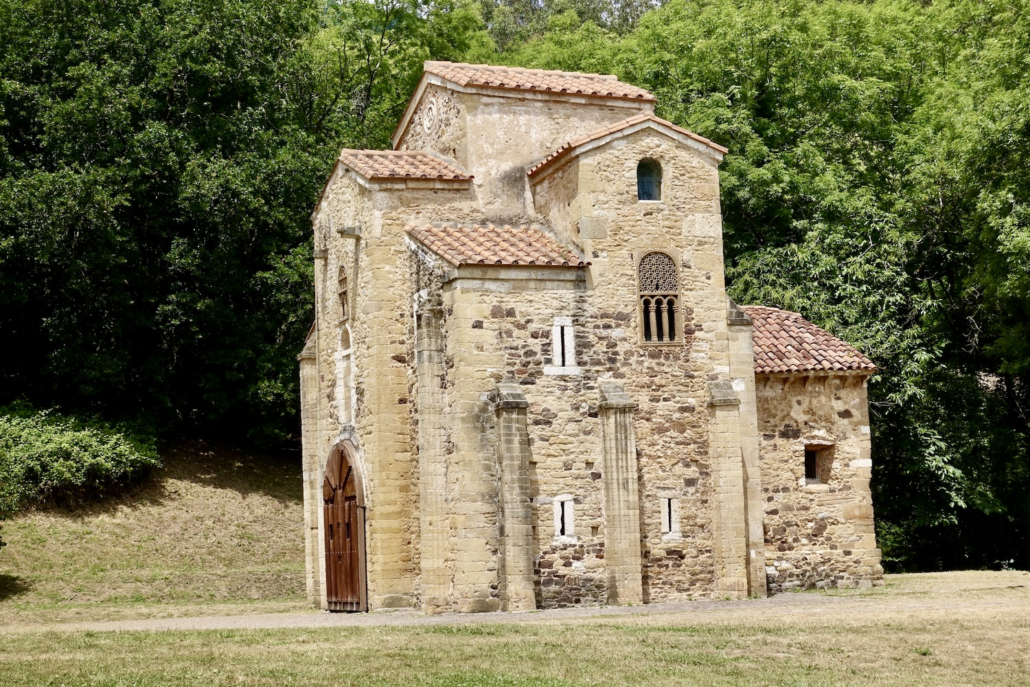
Quite nice are also the Bufones de Pría,
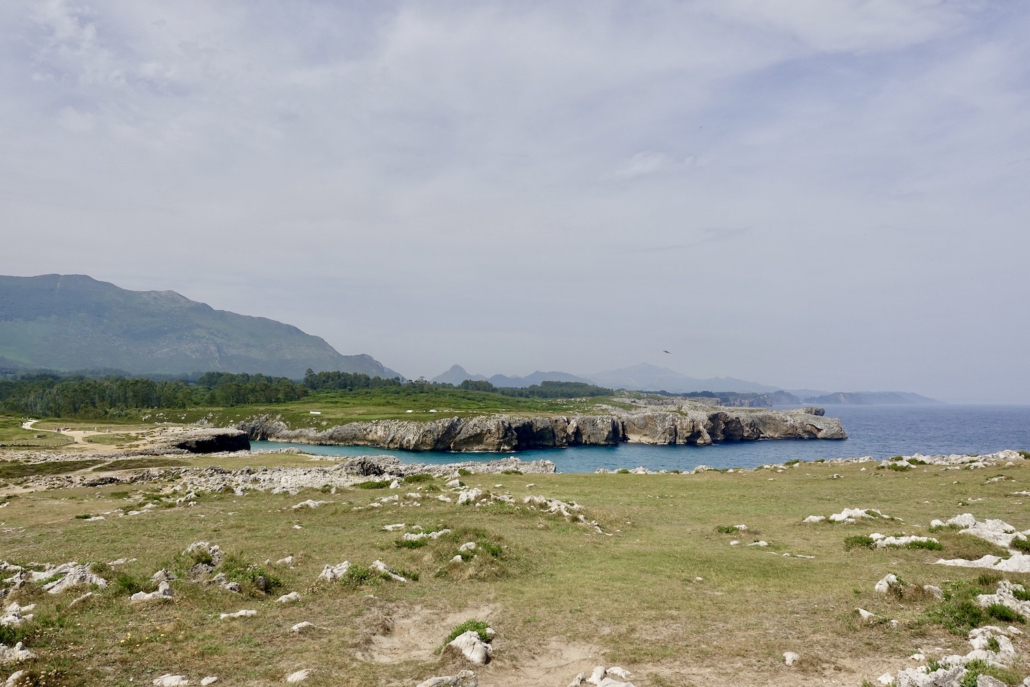
coastal blowholes. And a trip to the mountains should be on every Asturias itinerary too. The place to go are – from what I read – the Lakes of Covadonga. My husband and left this out, maybe next time.
5. Bilbao Basque Country (2 nights)
Our second stop in the Basque country was in Bilbao, which we saved for last – after flying into it. Here the heatwave I mentioned before got us in extremis (40 degrees Celsius). So, we reduced our sightseeing program a bit. Bilbao underwent a transformation from a struggling industrial city into a thriving cultural hub. And the famous Guggenheim Museum,
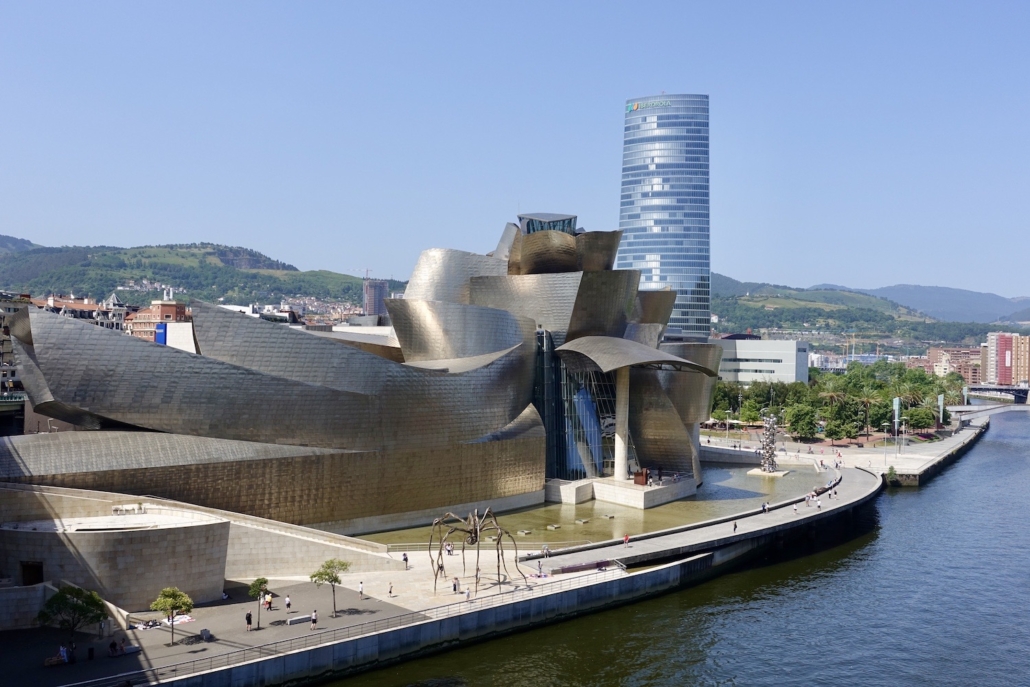
a modern art museum, made an important contribution to this development. The nearby footbridge Zubizuri
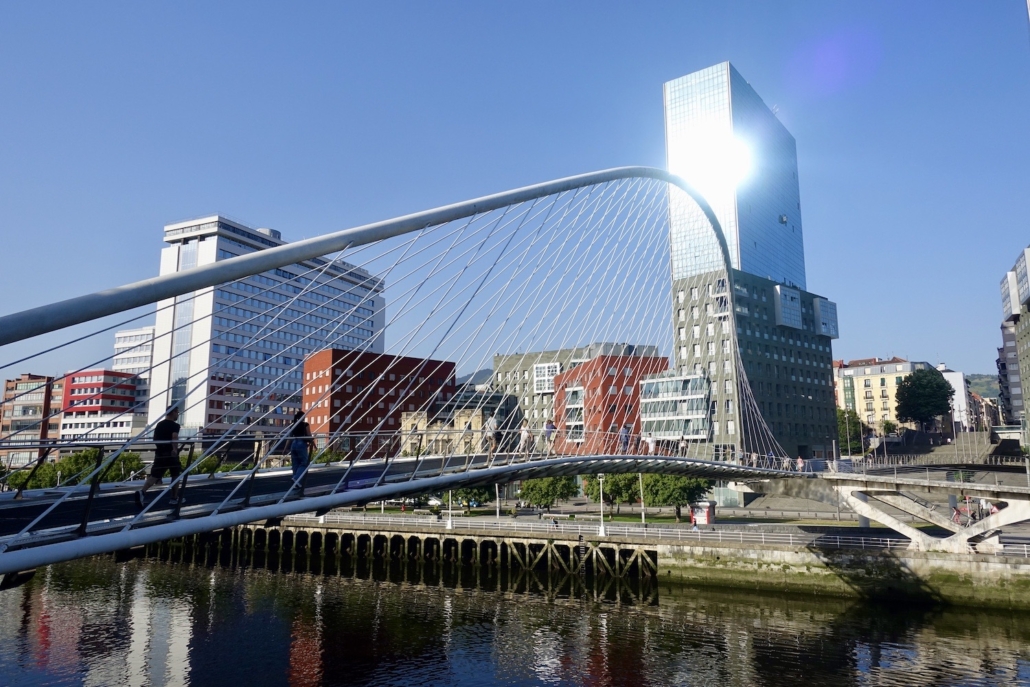
is also quite a sight as it is the historic Erriberako Merkatua,
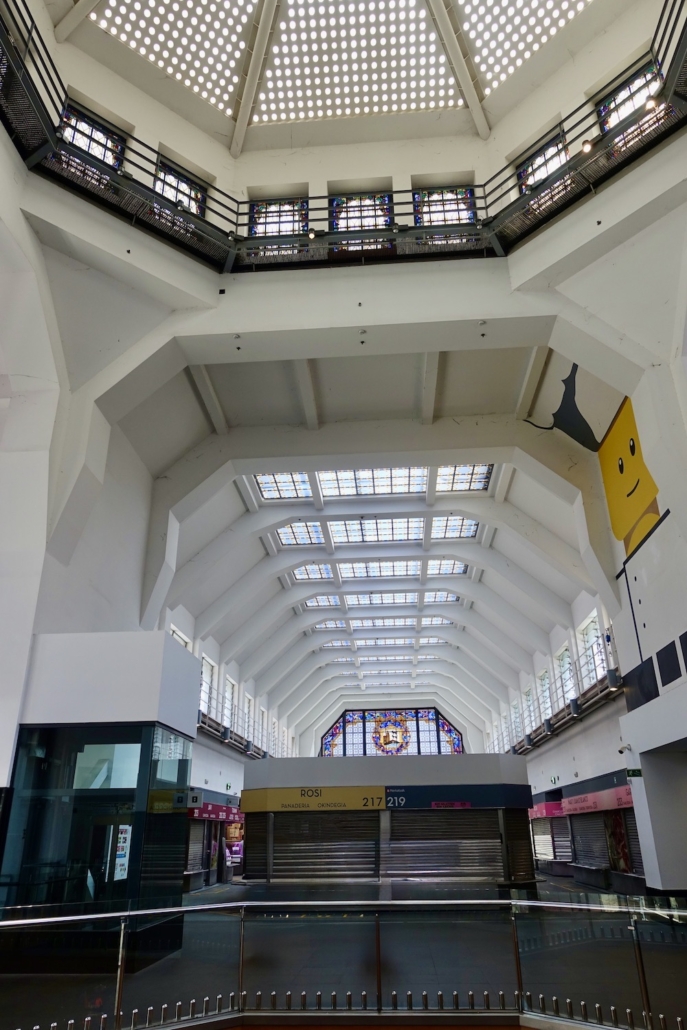
an Art Deco building from 1929, which is Europe’s largest covered food market.
For a bird’s-eye view of the city ride the historic cable car up to Mount Artxanda.
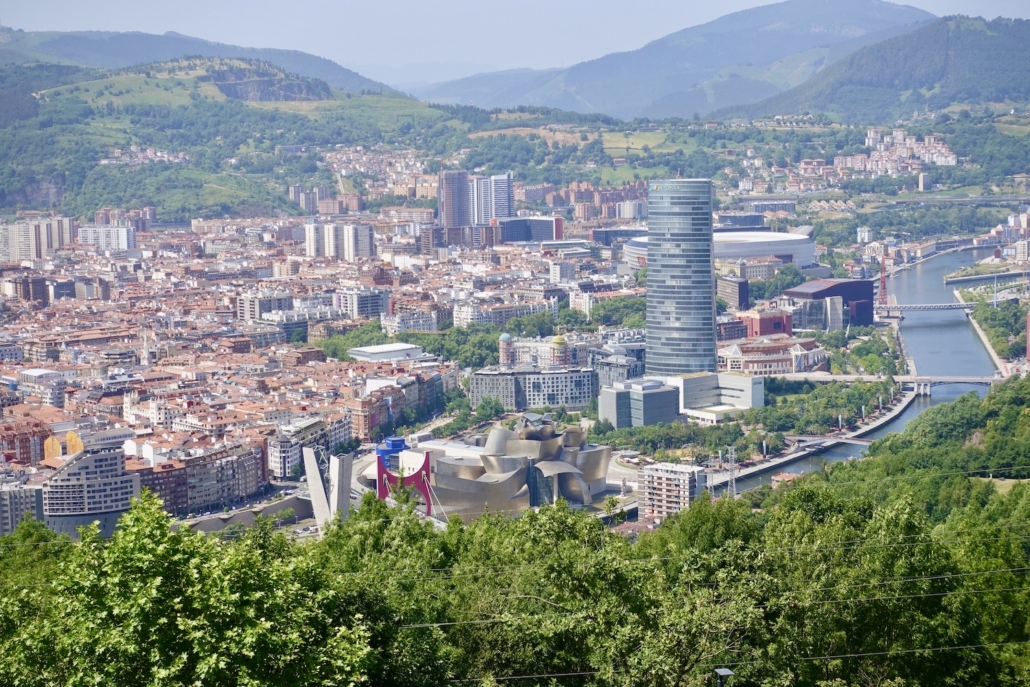
If you like walking and want to see Bilbao’s old town, the 700-year-old Casco Viejo,
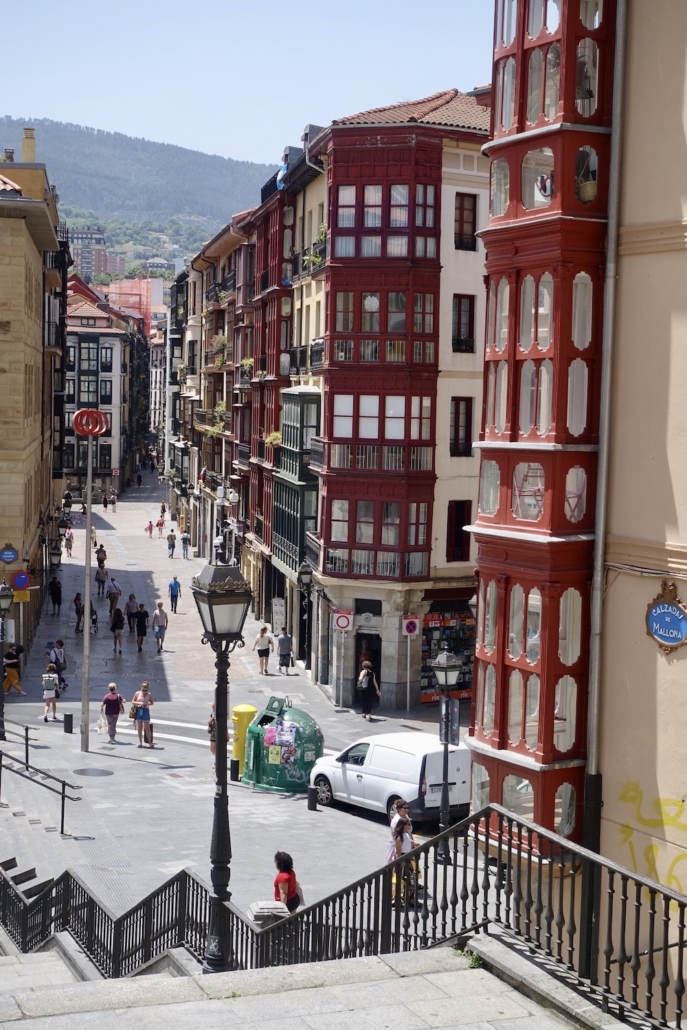
next, why not find a way to approach it from the mountain peak. We did so – despite the heat – and were lucky to find a pleasant trail which led through a forest in places. Maybe a trip to the Puente Colgante, officially the Vizcaya Bridge, is also worth it. It is the oldest operating transporter bridge in the world and maybe you could combine it with a walk along the river Nervión. My husband and I did not do this, due to unbearable heat and a lack of time.
What is next regarding more northern Spain posts?
I have already stated it, after this itinerary through northern Spain my next posts about this area will go into two of my greatest passions while traveling. And this is staying and dining in style. Soon on my blog you will find an overview of the luxury hotels my husband and I chose here along with my reviews. And the third post in this context will be about the culinary highlights we made in “Green Spain”.
Date of stay: June 2026
Pin it for later
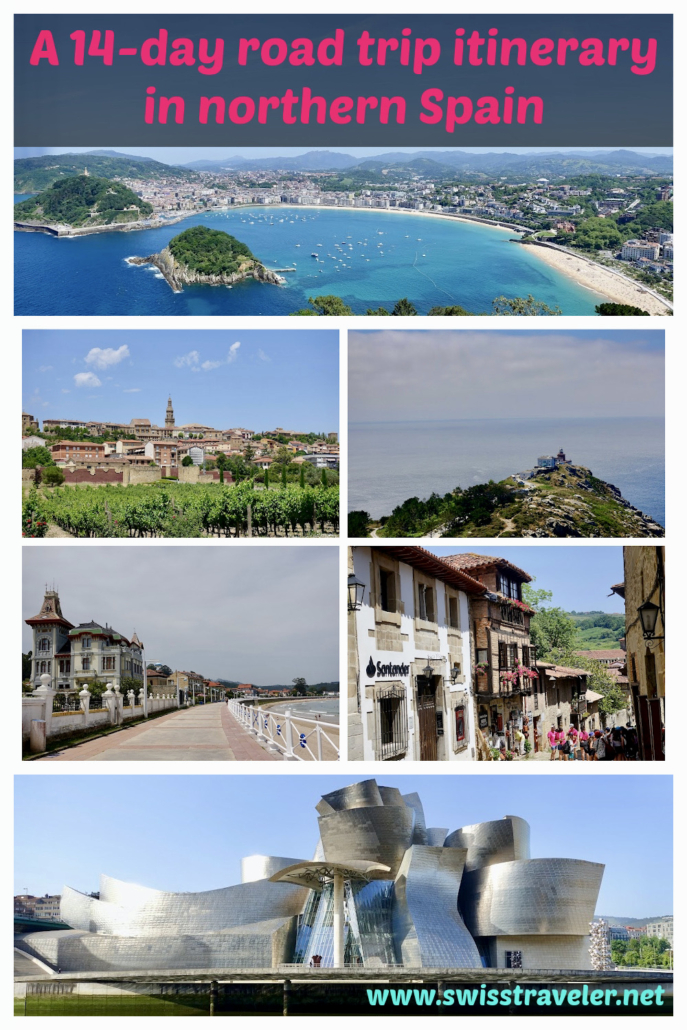
The post A 14-day road trip itinerary through northern Spain in style first appeared on Swiss Traveler



Leave a Reply
Want to join the discussion?Feel free to contribute!