
A second trip to Japan, a 24-day off-the-beaten-path itinerary
Bilbao old town/Spain – itinerary northern SpainWhere to go in Japan as second-timers who are into travel in style:
Have you done Japan’s (Extended) Golden Triangle/Route already, and are you looking for an off-the-beaten-path itinerary for a second visit? Here I may provide some advice, especially in case you care for staying and dining in style. Yet, it is preferable do this trip by rental car – which is not such a big deal (I give some tips below). The journey brings you to Kyushu, Shikoku and some lesser travelled parts of Honshu. My post includes a Google My Map with all the places my husband and I went, along with brief information about them. In further blogposts, I will go into some highlights experienced along the route, precisely luxury hotels and fine-dining restaurants. But now to the rarely explored Japan travel plan for second-timers to Japan.
Before delving into the subject, some remarks to the first Japan trip we did back in 2019, which went to the Extended Golden Triangle/Route and some side trips. Also find some information about traveling Japan by rental car.
This post contains affilate links. If you click and book through any of these links, I will earn a small commission at no additional costs for you. Thank you so much for reading and supporting my little corner of the internet.
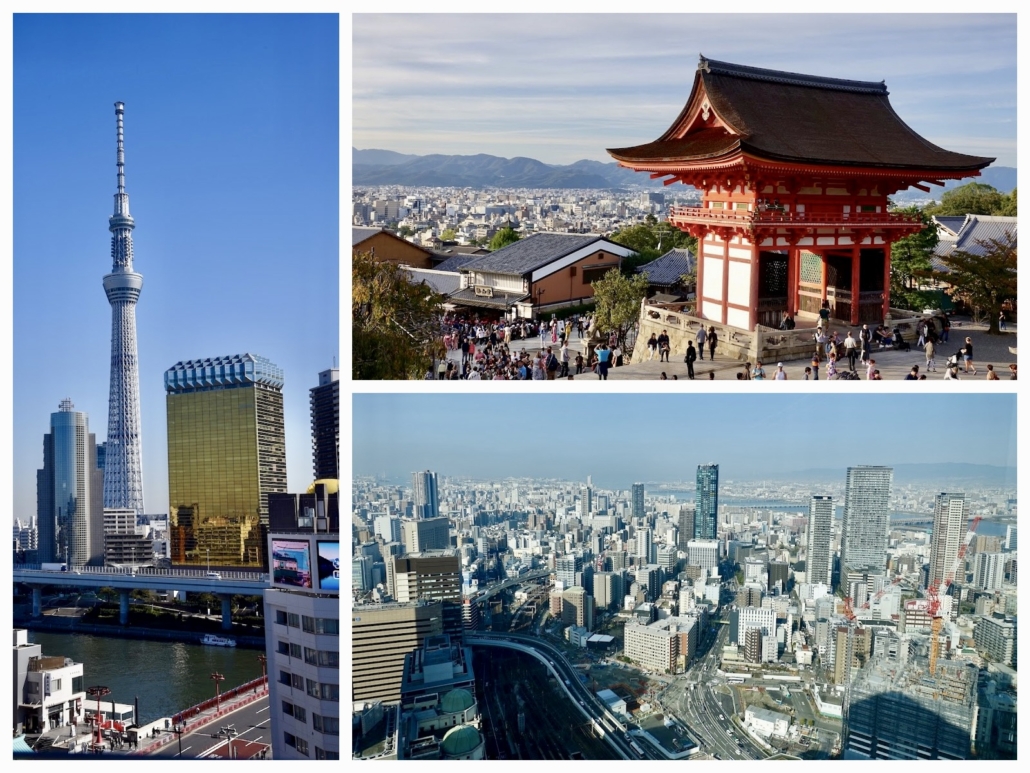
The Golden Triangle/Route in Japan
Most first-time travelers to Japan do the Golden Triangle or the Golden Route as it is also called. My husband and I were no exceptions here. Yet, we had decided to extend Tokyo (the modern capital), Kyoto (the cultural heart) and Osaka (the culinary hub)
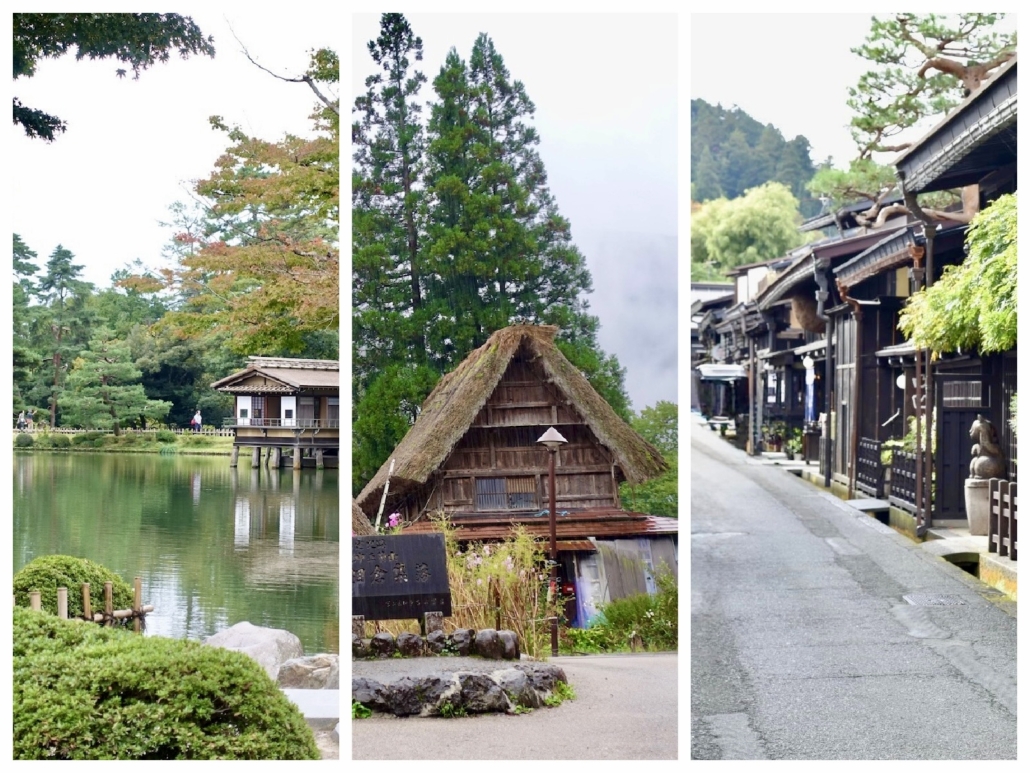
by adding some more places. First, we included the Japanese Alps, a loop including Kanazawa, Shirakawa-go and Takayama. This is also called the Extended Golden Triangle or the Extended Golden Route.
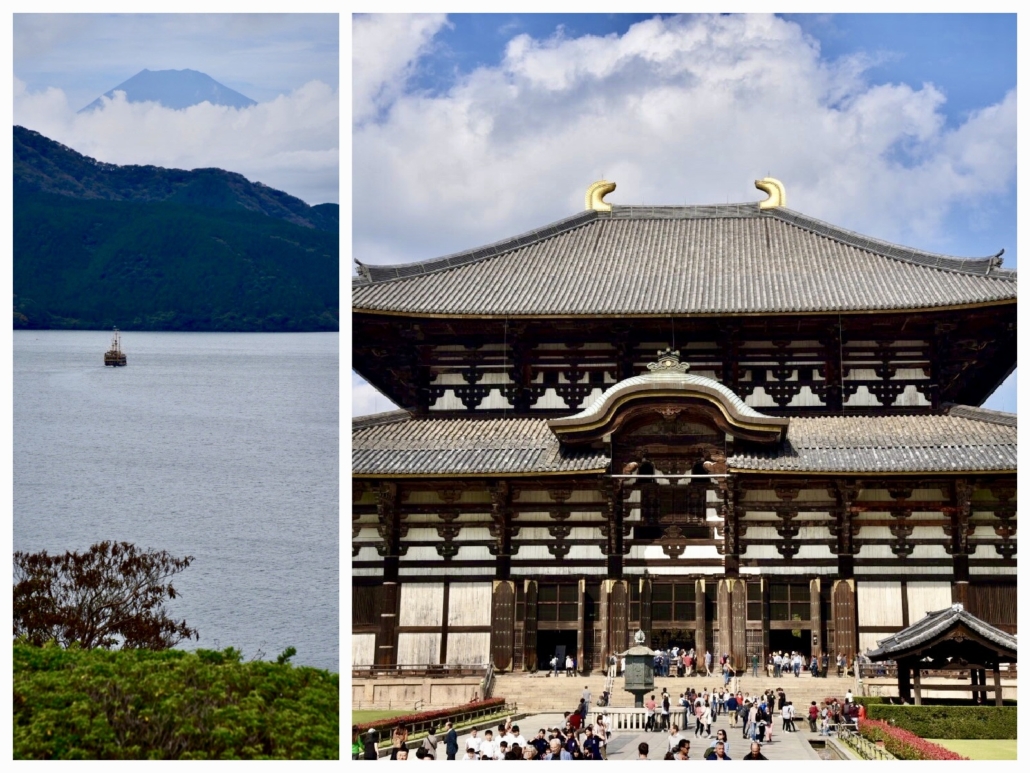
Then we chose two classic side trips too (Hakone and Nara).
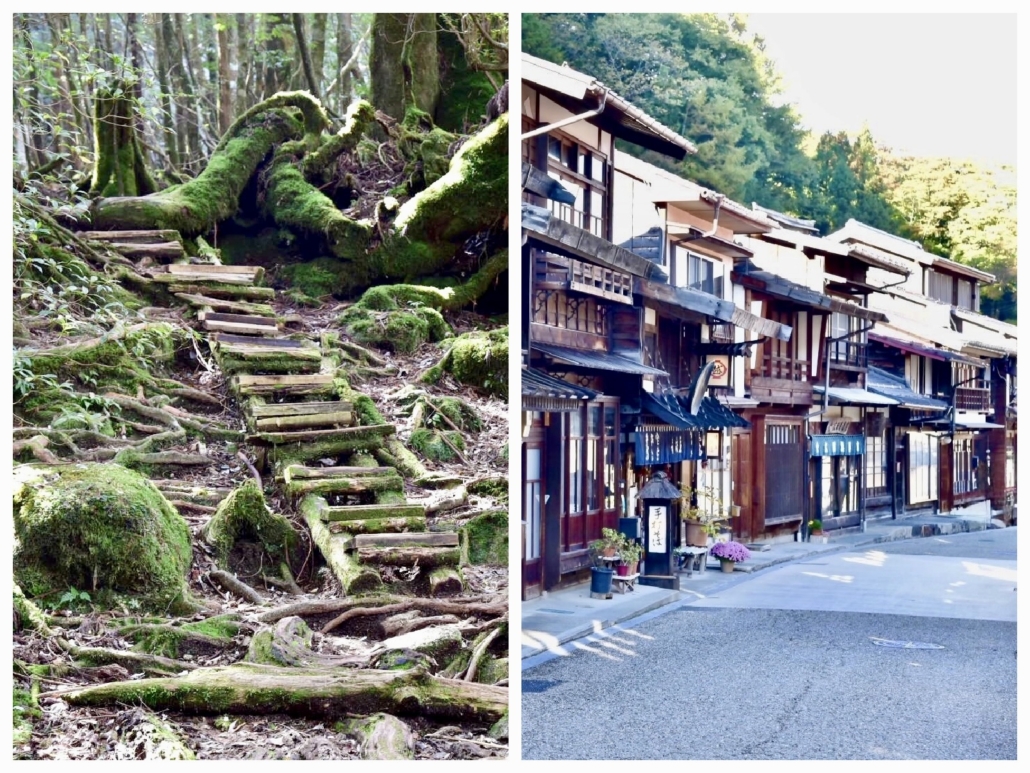
Finally, we visited two off-the-beaten path destinations as well (Yakushima Island and Kiso Valley).
This itinerary is ideal if you have three weeks available for your Japan journey. In case you have only two weeks for this, then I would opt for the Extended Golden Triangle/Route. And if you have not more than eight days, rather go for the Golden Triangle/Route.
Find here all my blog posts about our first Japan trip: itinerary, hotels, find and reserve restaurants, (specific) restaurants, ryokan stay, off-the-beaten-path destinations (Kiso Valley and Yakushima Island).
Travel Japan by rental car
General
While most visitors to Japan decide to travel the country by using the efficient and convenient rails system, getting around by rental car is an option too. This is advisable in particular if you also want to explore rural Japan. Skip the rental in major cities just as Tokyo, Kyoto and Osaka. Rent a car only for regional travel in areas like the Japanese Alps or Kyushu.
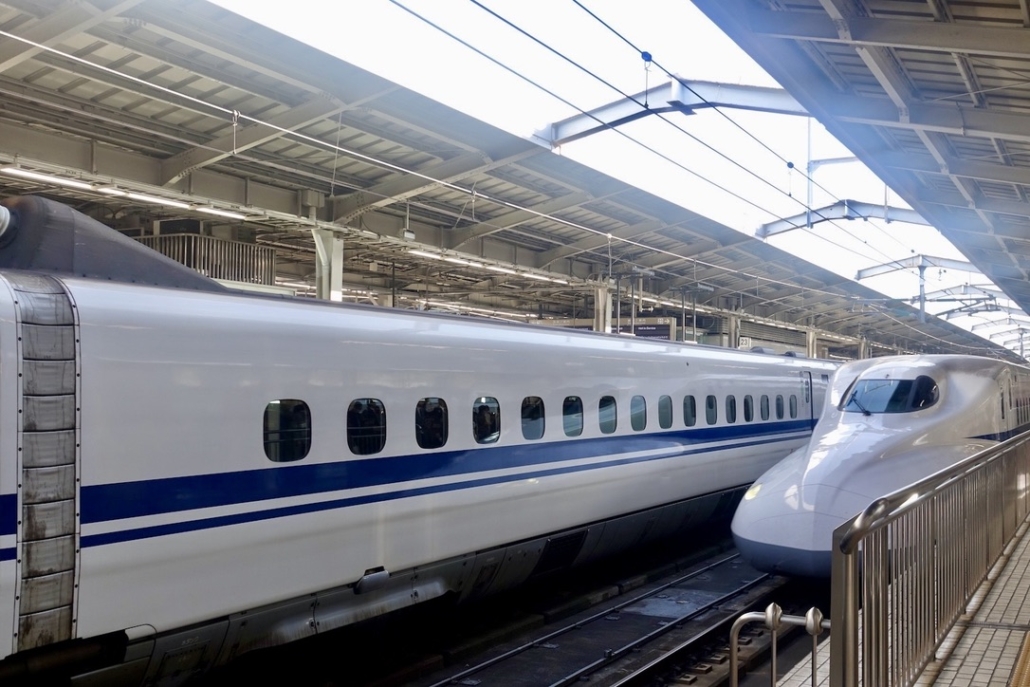
On our first journey, we drove by car from Tokyo to Hakone, then further to Kiso Valley, Kanazawa, Takayama and Kyoto. The rest we did by train and plane. If you need a car rental service, you can use a comparison platform like Discover Cars Japan.
This time, we rented a car in Kagoshima, after flying in from Osaka. We drove all the way through Kyushu to Shikoku and later to Honshu. Here we visited a couple of lesser known rural destinations before returning the car in Kyoto.
Now to some practical information in terms of getting around by rental car in Japan.
Tips for taking a road trip in Japan
For traveling by rental car in Japan you must carry an International Driving Permit (IDP) issued under the 1949 Geneva Convention. When booking your vehicle through a comparison platform like Discover Cars Japan, make sure to reserve one with an English-language GPS and request an ETC (Electronic Toll Collection) card for toll highways.
When it comes to navigating, use Mapcodes instead of inserting addresses into systems, which can be challenging. Mapcodes are 6-to-12 digit numeric codes that convert exact GPS coordinates into simple numbers. Unlike in the west, Japanese addresses are based on blocks or districts rather than sequential street names. So, the use of Mapcodes is recommended which can pinpoint a 3-meter by 3-meter/10-feet by 10-feet square.
To find a Mapcode before your trip, look up the coordinates on the Mapcode website. Once done so, type the number into the “Mapcode” option on a Japanese rental car’s built-in GPS.
You have to be aware of Japan’s strict traffic rules too. Not only drive on the left side of the road but also come to a complete stop before crossing railroad tracks. And there is a zero-tolerance policy for drinking and driving. And it may be a good idea to opt for a so-called kei car (light vehicle). Its small size allows you to drive without problems on narrow rural roads or in tight cities.
My Google Map of a 3½-week off-the-beaten-path Japan itinerary for second-timers
Basic motivation
After having explored the frequently traveled Extended Golden Triangle on Japan’s main island of Honshu last time, my husband and I longed for a more off-the-beaten-path Japan itinerary on our second visit. We had in mind to discover some parts of two more islands, i.e. Kyushu and Shikoku. Furthermore – as we flew in to and out of Osaka – , we wanted to get to know some more places in Honshu that are outside the usual ones foreign travelers go to.
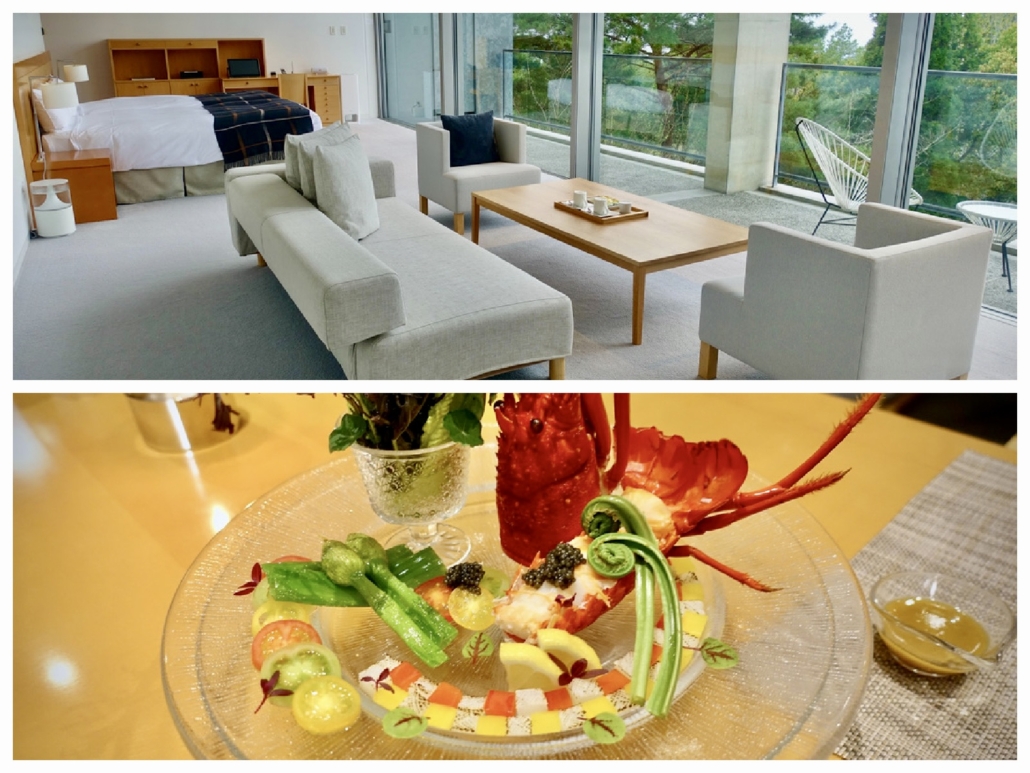
Apart from the above basic motivation, we had to fulfil one more need of ours. And that was about our striving to stay at nice hotels and dine at fine restaurants. So, we only chose places where you find well-rated luxury lodging (my post) and upscale dining (my post).
In case you wonder which website is best suited for travel information about Japan, my personal favorite is Japan Guide.
Detailled travel plan Kyushu-Shikoku-unknown Honshu, an off-the-beaten-path Japan itinerary
1. Osaka/Honshu (2 nights)
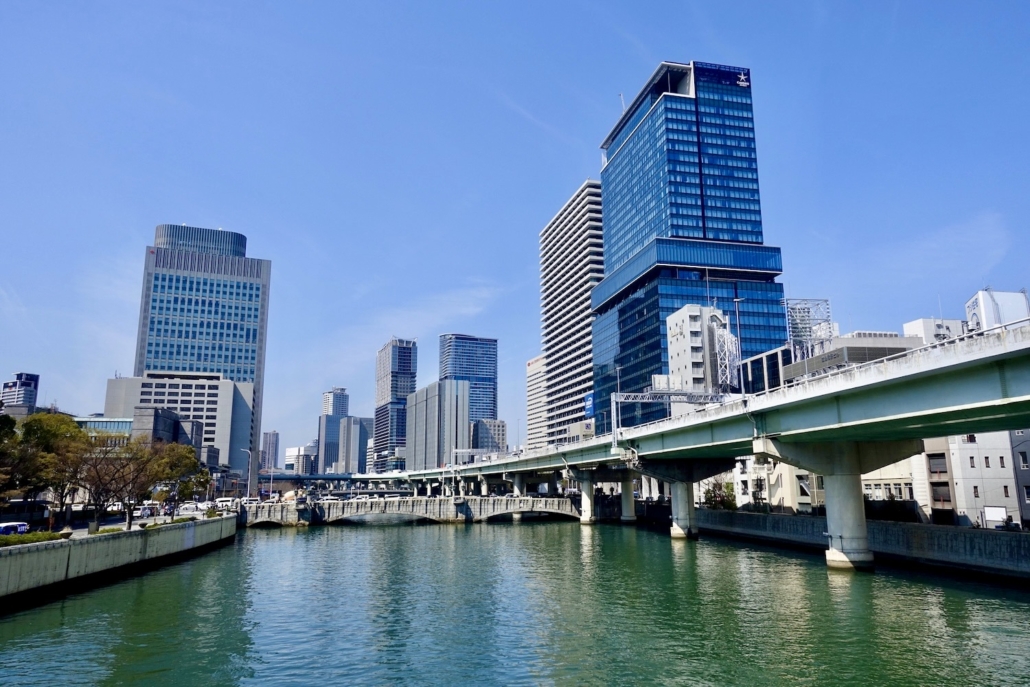
I already hinted about our second-time Japan itinerary – when I described our getting around by car. In more details, we flew in to Osaka where we spent two nights. As we had been here before, we took it easy and did not do too much sightseeing.
2. Kyushu (9 nights)
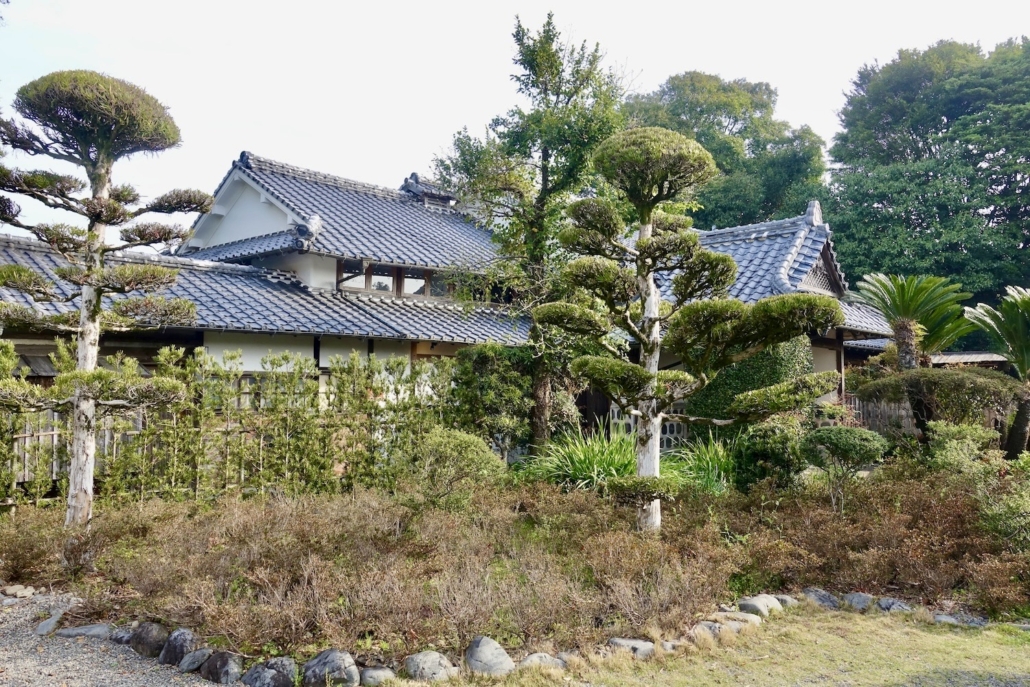
After flying to Kagoshima, we picked up our rental car and drove to our first destination on the island of Kyushu. After having trouble to find a suitable hotel in the Kirishima region near by the airport, we headed further to Izumi on Kyushu’s west coast (3 nights).
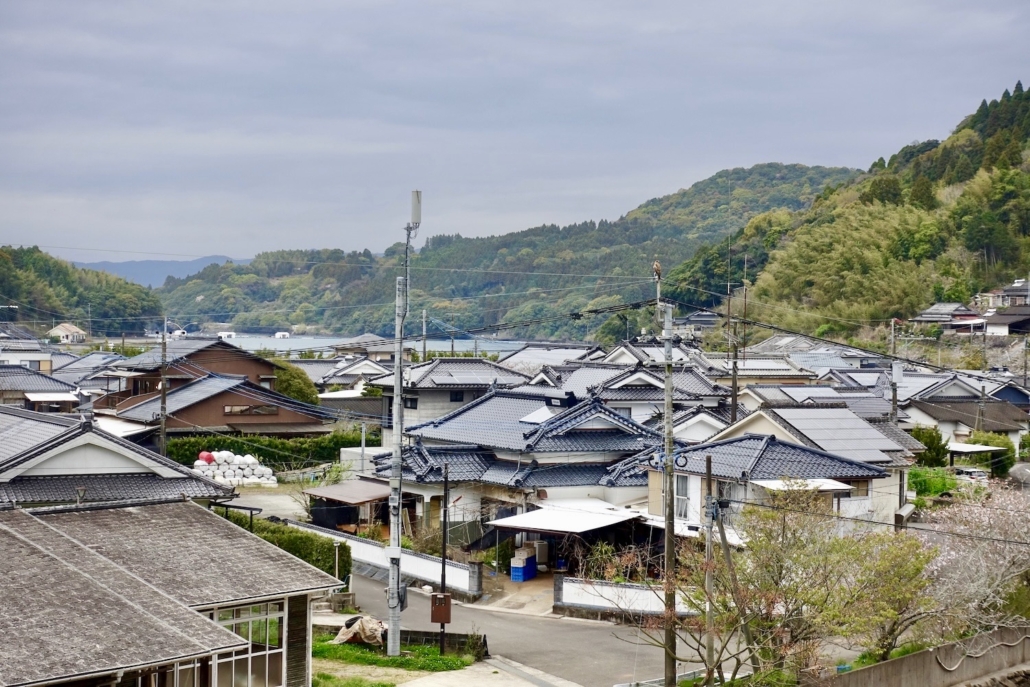
We ended up there in this untouristy spot because I had stumbled on a unique luxury boutique hotel in Izumi City. It is set inside the oldest and largest preserved samurai residential area in the Kagoshima Prefecture.
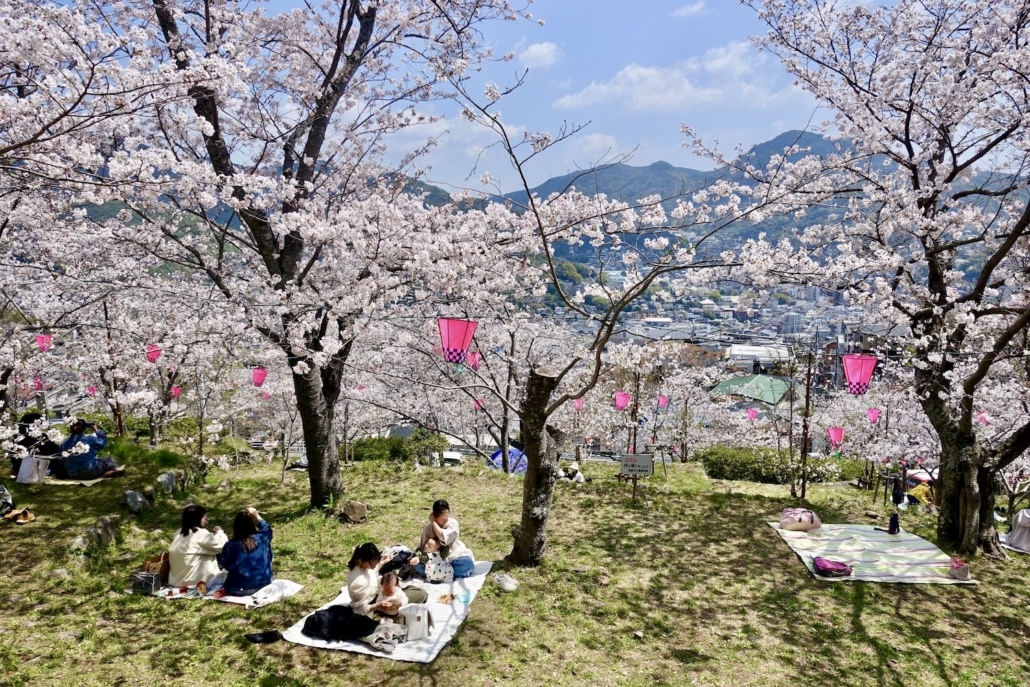
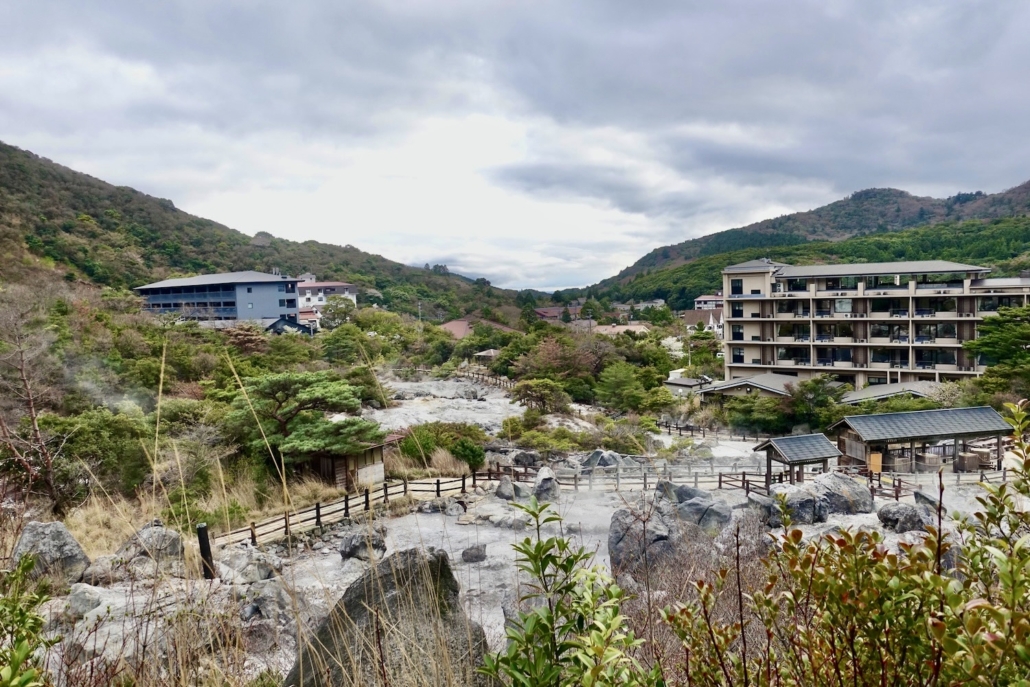
The next stop was in the Nagasaki Prefecture, where we wanted to explore the volcanic area around Unzen
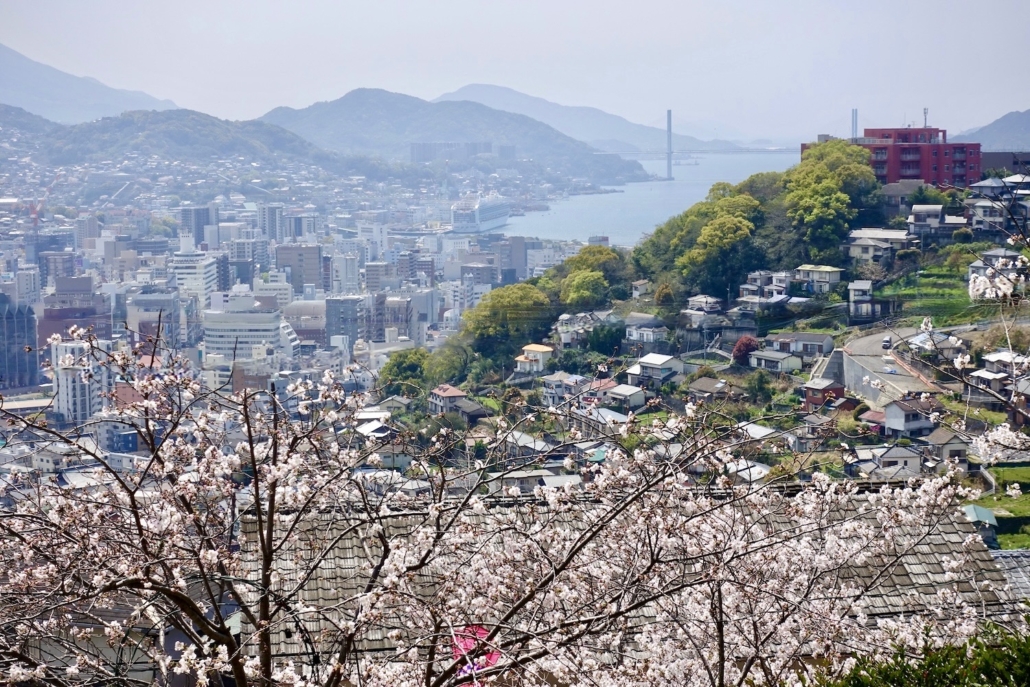
and Nagasaki City (3 nights).
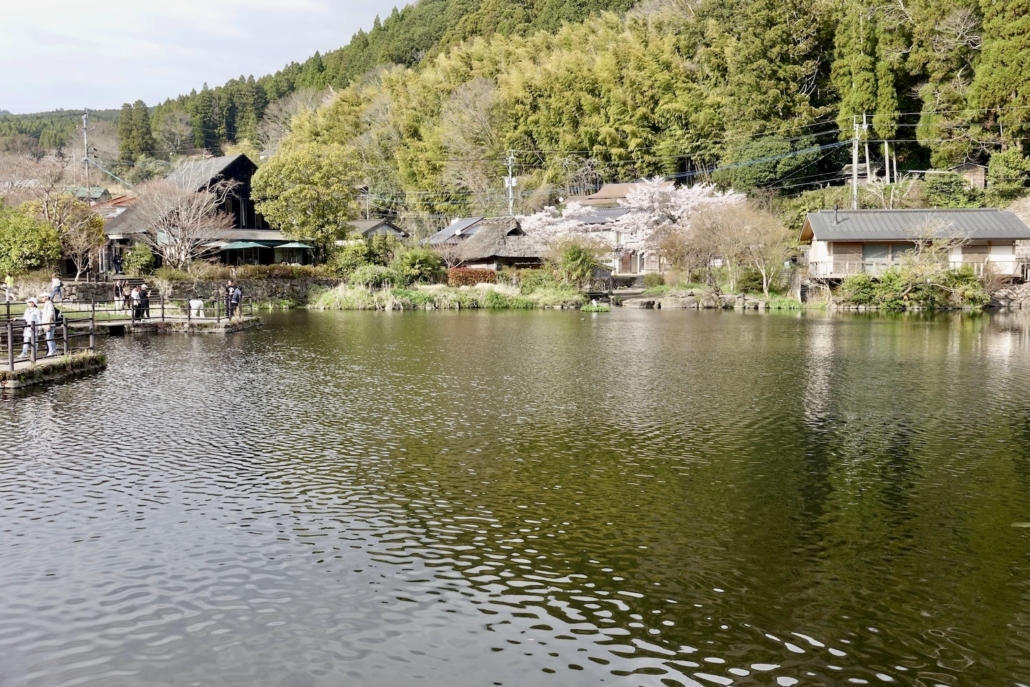
Our last destination on Kyushu lead us to the Oita Prefecture. Here we were attracted by Yufuin
and Beppu,
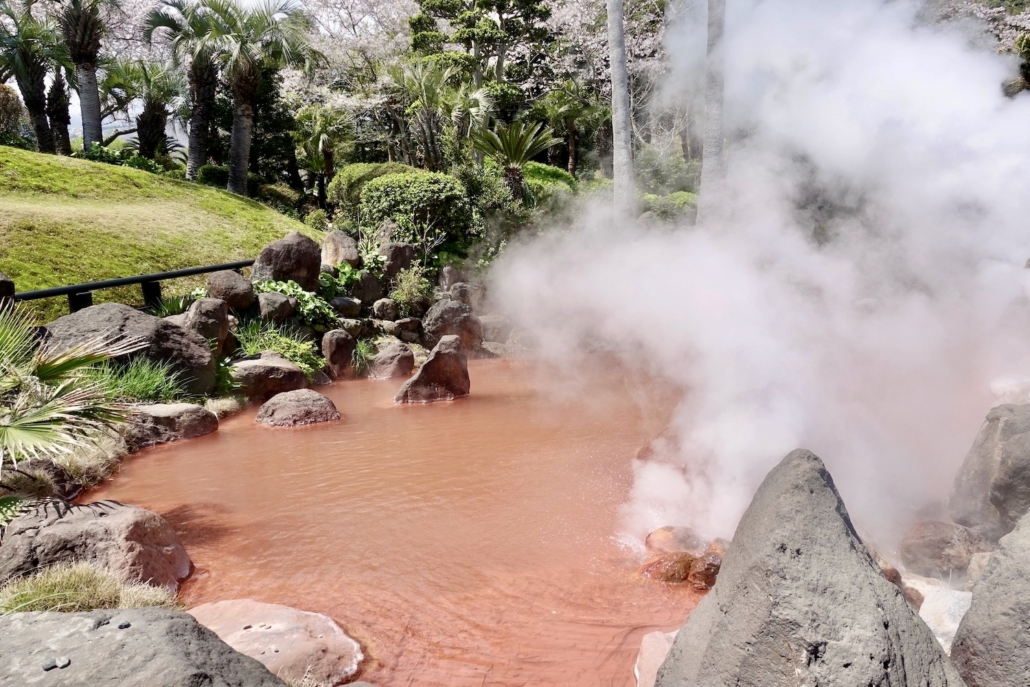
two onsen/hot spring towns, in particular (3 nights).
3. Shikoku (3 nights)
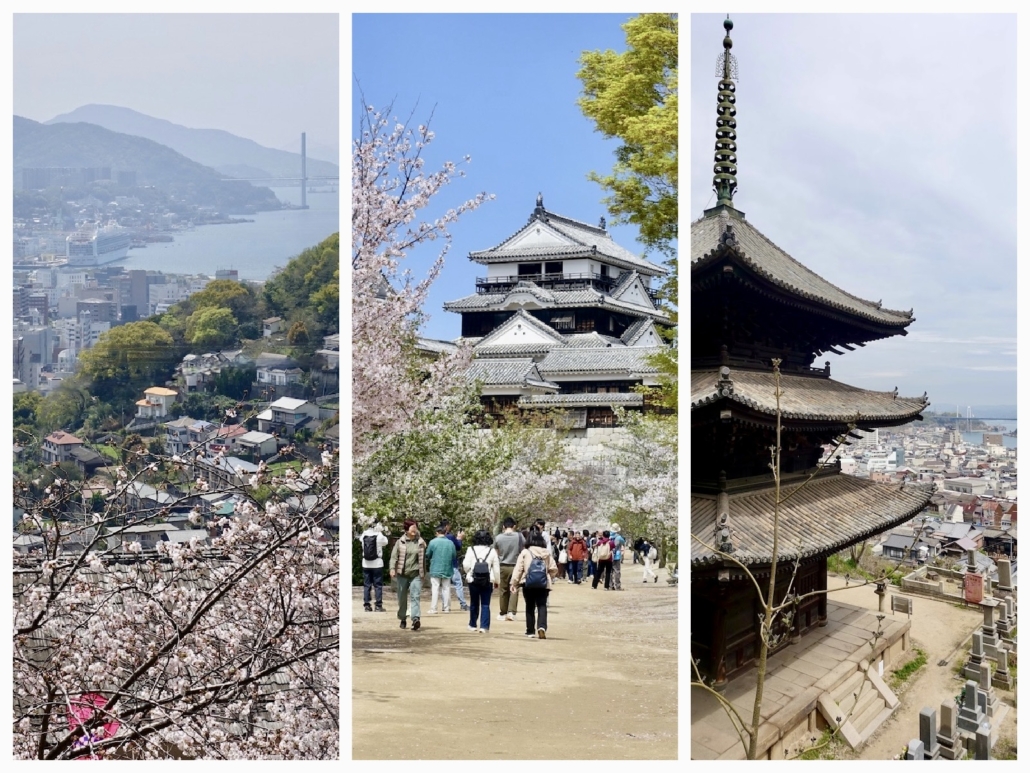
We crossed by ferry from Kyushu to Shikoku, which saved us a detour of a few hours. The one and only stop here was in Matsuyama, the capital of Ehime Prefecture.
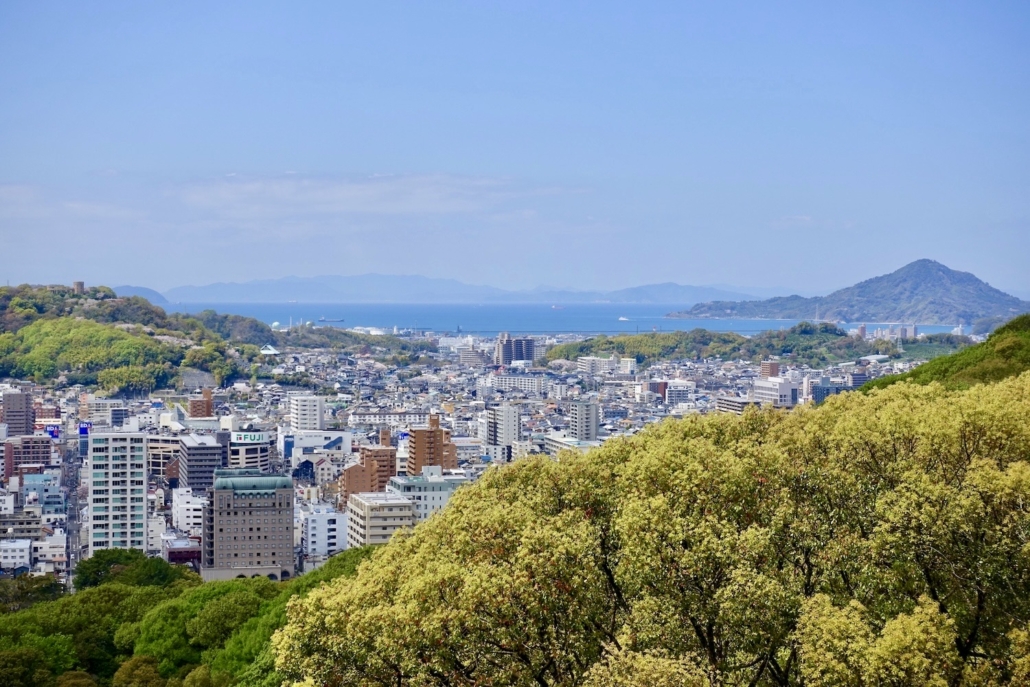
It sits on the coast of the scenic Seto Inland Sea. Not only features it some major sights but you also find a few quaint rural heritage towns nearby.
4. Unknown Honshu (7 nights)
After leaving Shikoku we headed north to the Okayama Prefecture. Our first stop was in Kurashiki, a charming historic canal city (2 nights) near Okayama City.
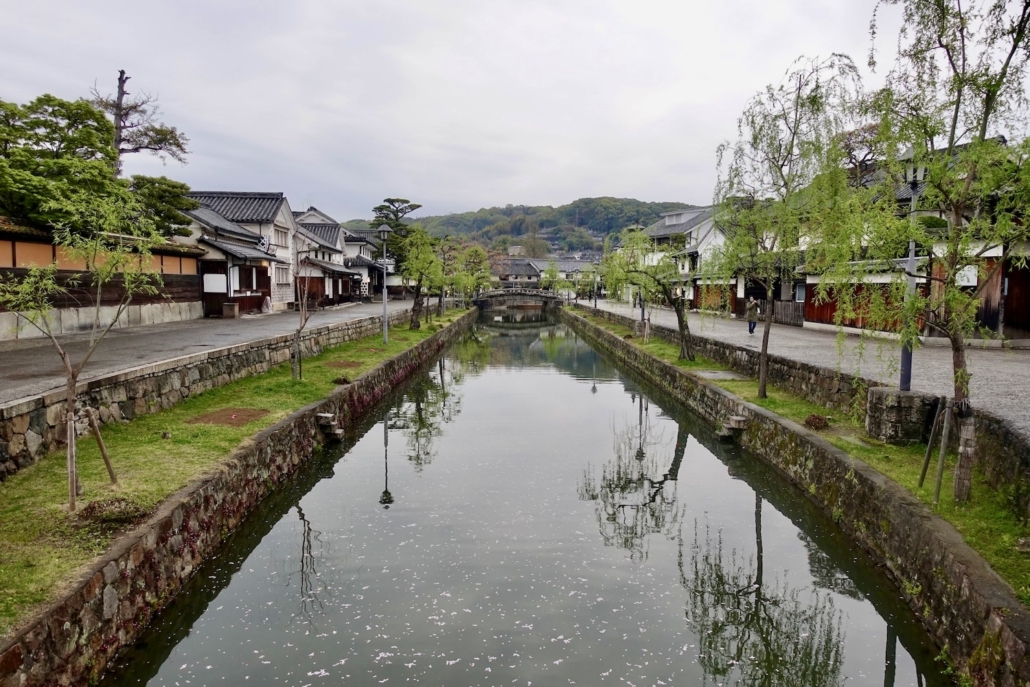
From here we also visited the art island of Naoshima.
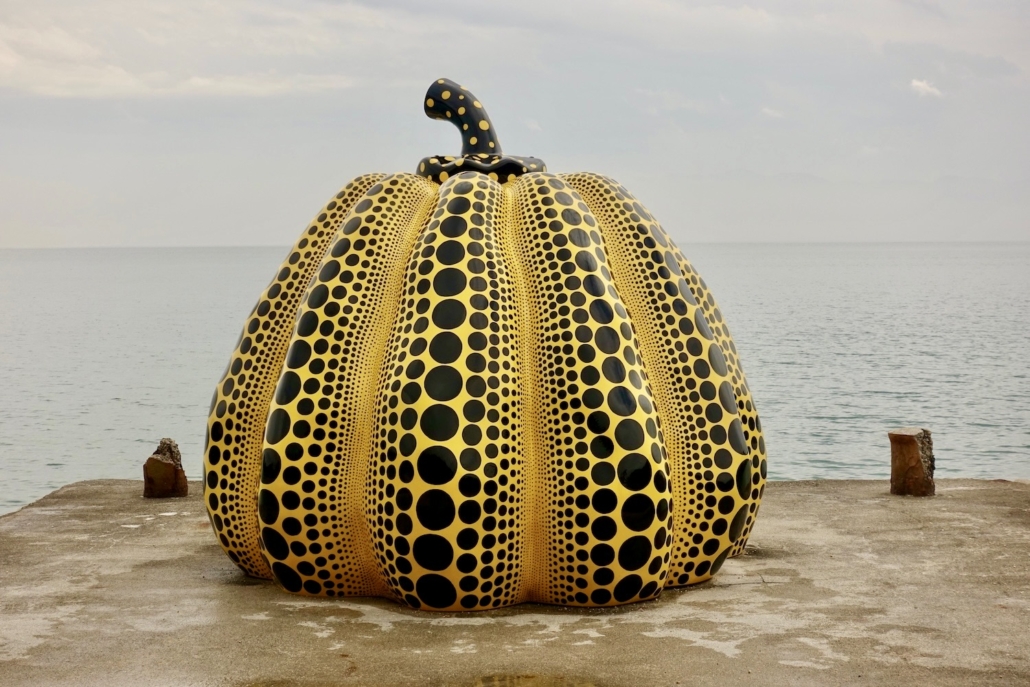
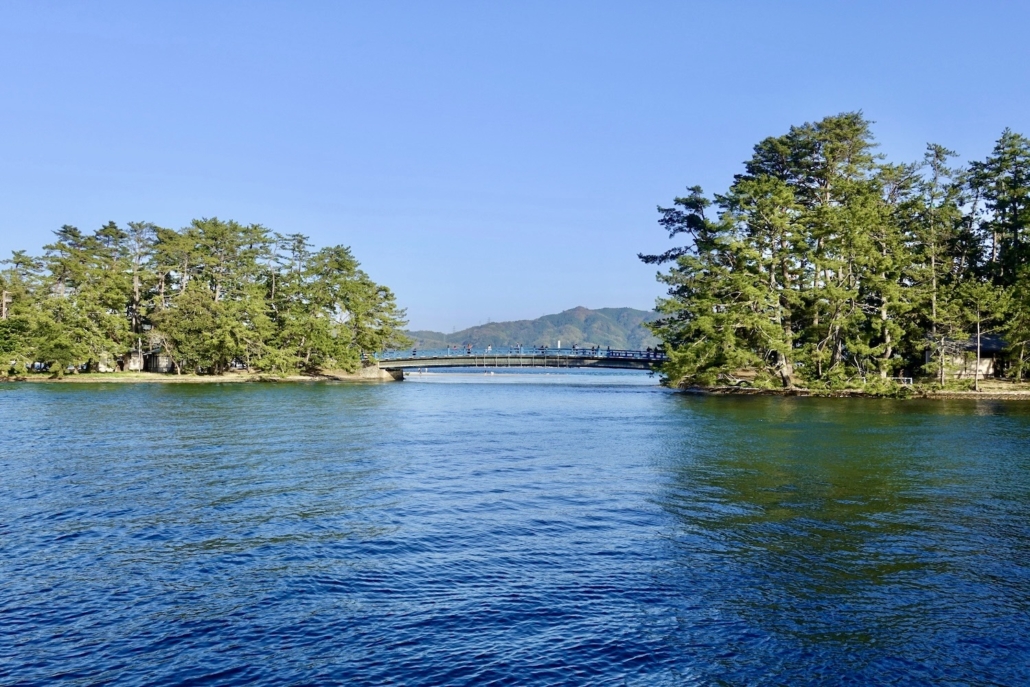
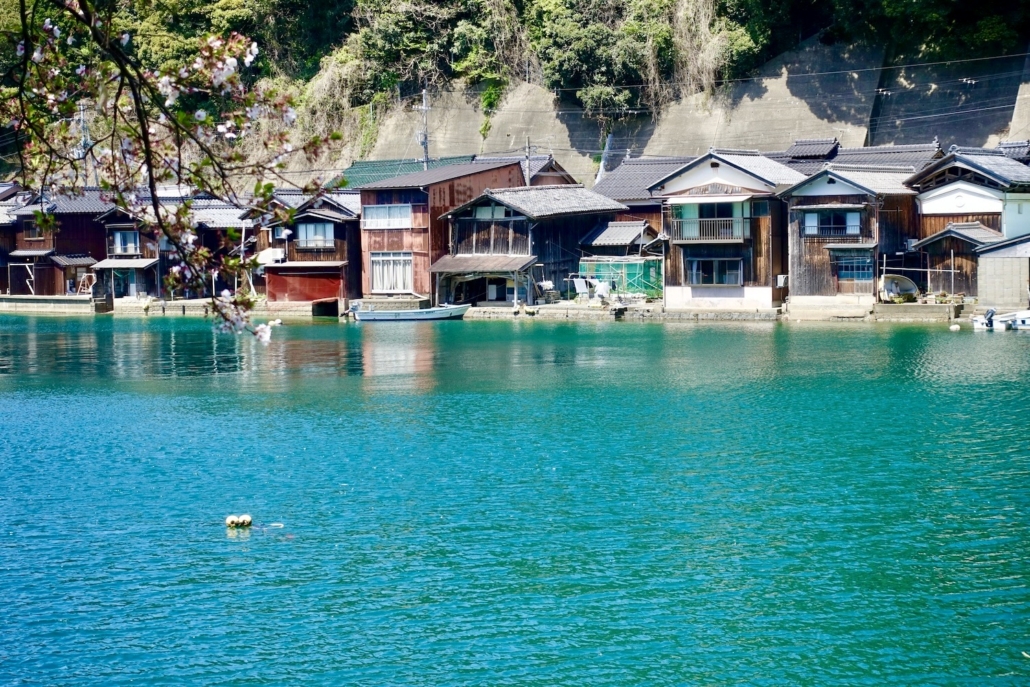
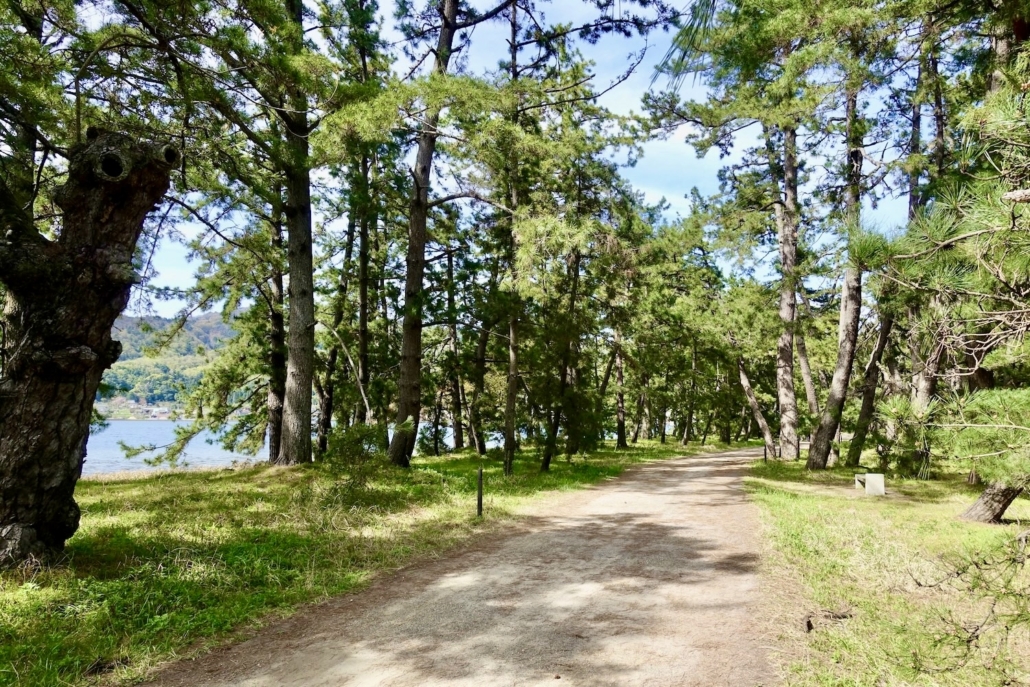
Then my husband and I continued to the so-called “Kyoto by the Sea”. This is a coastal region in the northern Kyoto Prefecture facing the Sea of Japan. Here we concentrated on two of its top highlights. This is Amanohashidate, a natural sandbar ranked as one of “Japan’s Three Most Scenic Views”,
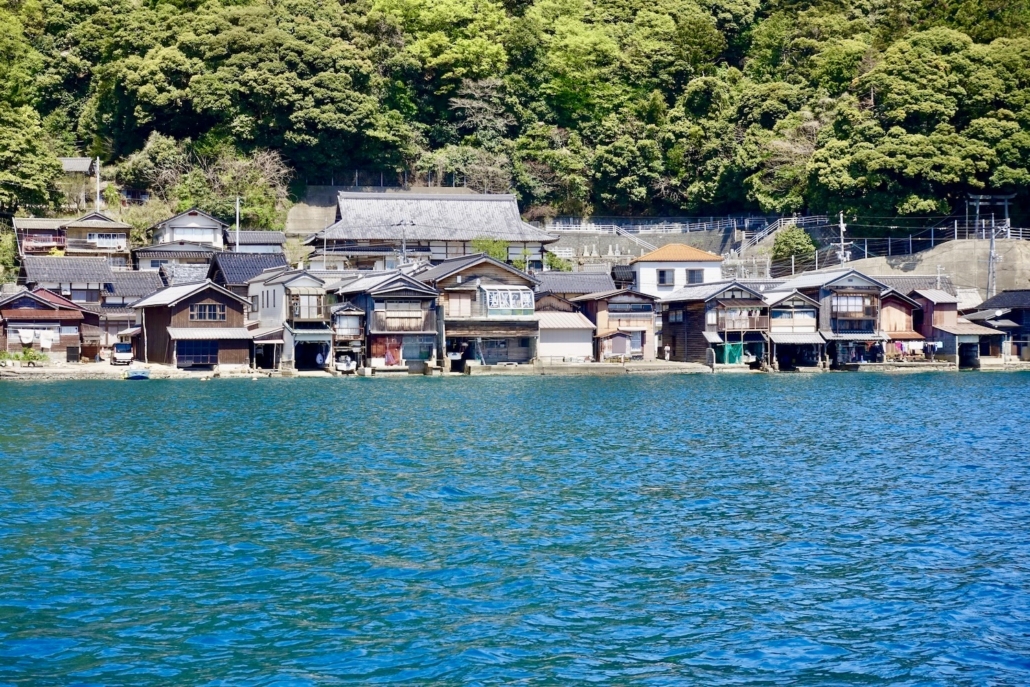
and Ine no Funaya, a picturesque fishing village (2 nights).
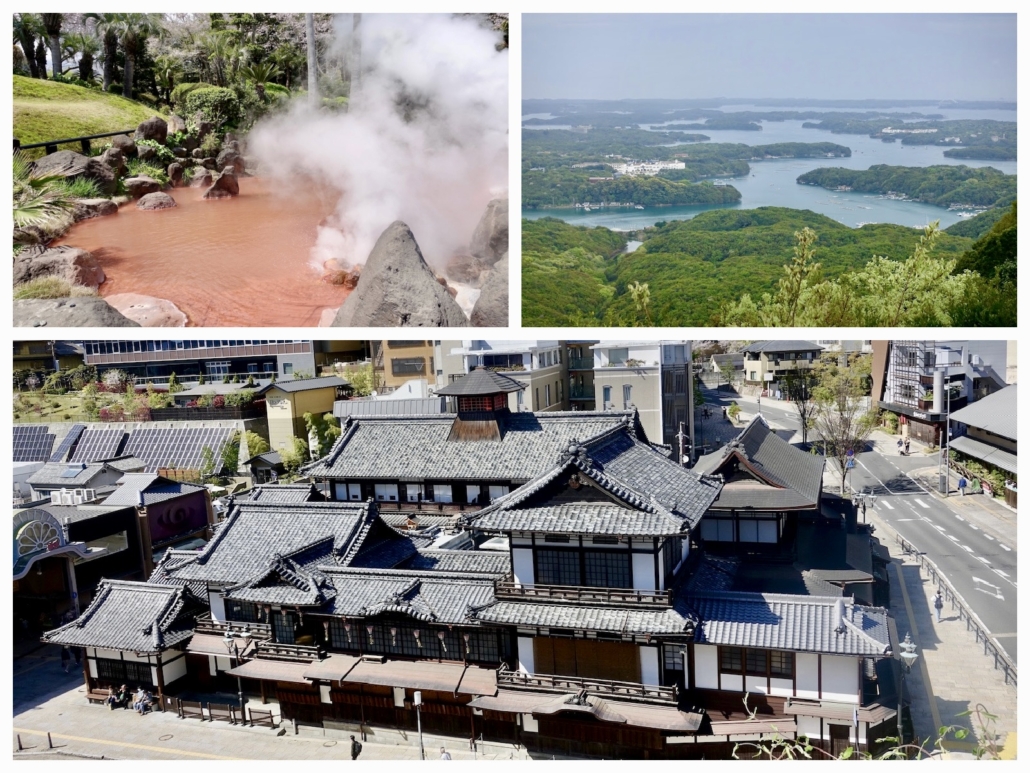
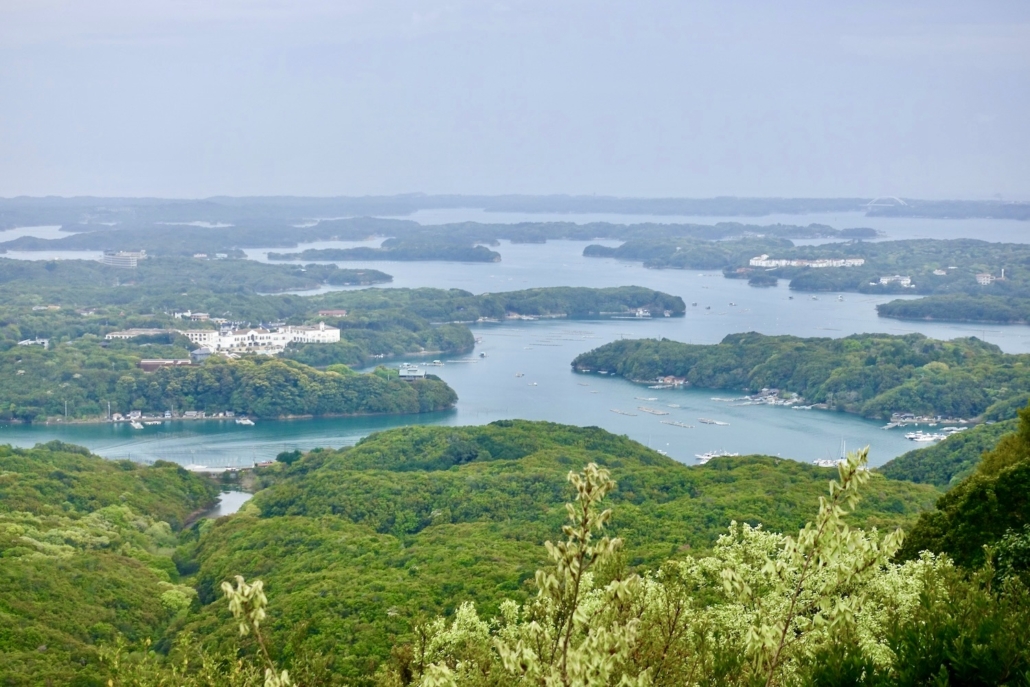
The last of three spots we went in “unknown Honshu” was in the Mie Prefecture, a coastal region south of Kyoto. Precisely, we stayed in the Ago Bay at the southern tip of the Shima Peninsula. This region not only has a splendid jagged-edged coastline but is also the birthplace of modern pearl cultivation.
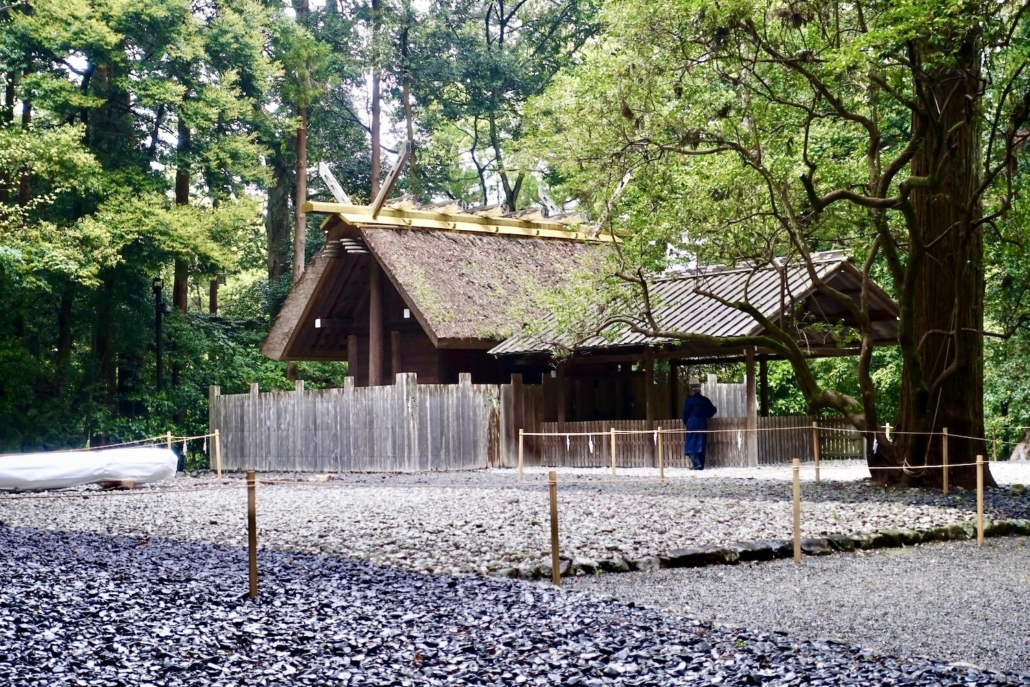
Furthermore, the ultimate spiritual destination in Japan of Ise Grand Shrine is not far away (3 nights).
5. Kyoto/Honshu (3 nights)
To end our 24-night second trip to Japan, we spent three nights in Kyoto. On our way to this city
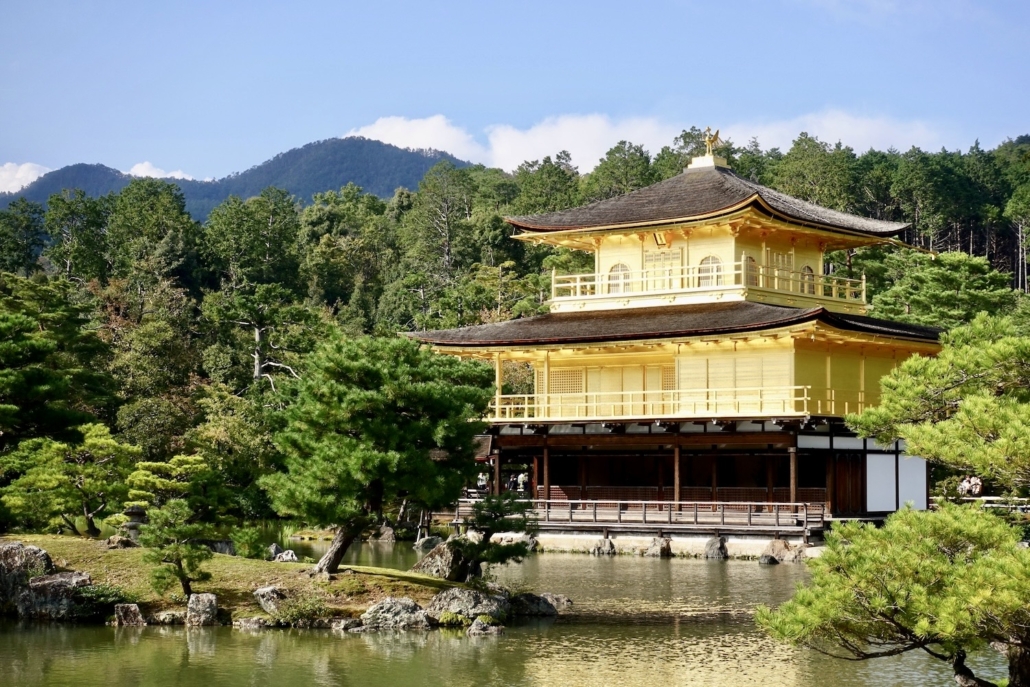
This after already staying here for four nights on our first Japan journey. As we had already done the major sights in Japan’s cultural heart back in 2019, we took it easy here. On the one hand, we checked out the area where our boutique hotel was located, the historic riverside district of Gojo Rakuen (Kamo River and Takase River). On the other hand, we revisited the Higashiyama district, one of Kyoto’s best-preserved historic ones. Here we explored off-the-beaten-track attractions, as far as possible.
On our departure day, we took a direct train ride from Kyoto Station to Kansai International Airport in Osaka, which takes about 75 to 85 minutes.
After going into our off-the-beaten-path itinerary for our second Japan trip, you might wonder how it was. Did the route meet the standards we set?
Itinerary evaluation off-the-beaten-path second trip to Japan
Overall
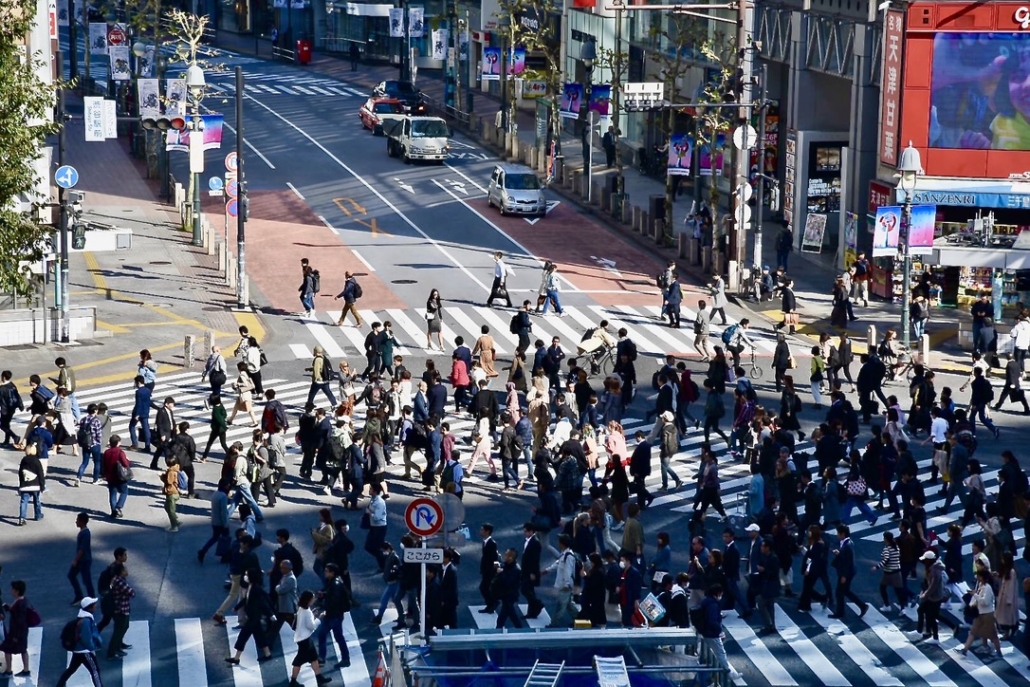
The royal road to discover Japan’s jewels is visiting Honshu, in particular Kyoto. Nowhere else you encounter so many striking historic destinations. Unfortunately, this cultural center is overtouristed. While in 2019, Japan counted 31.9 million tourists, there were already 42.9 million in 2025. And most of them did probably go to Kyoto too. Of course, my husband and I noticed the difference in this city between our first trip in 2019 and the actual one in 2026. There were tons of travelers in its prominent districts in the current year, and especially many young westerners. Surprisingly, Kyoto was the only spot of our journey where this fact stood out to me.
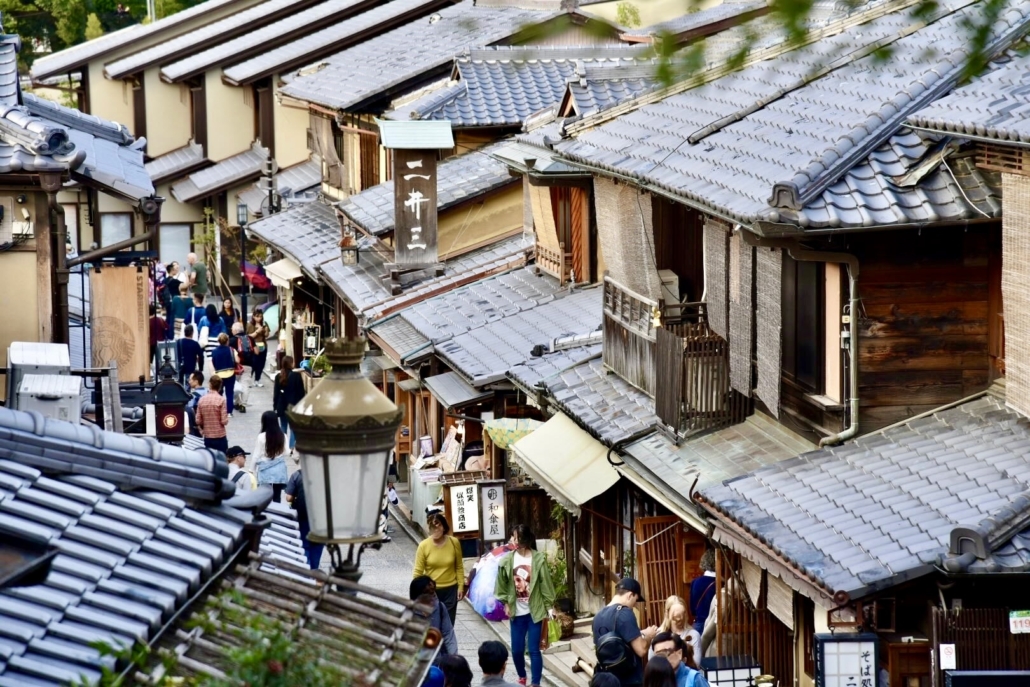
In all the other places we went the clientele was mixed, be it age-wise or origin-wise. In this context, you have to know that most Japan visitors come from Asian countries such as South Korea, China or Taiwan. Westerners only make up about 15 to 20% of all tourists.
While Honshu boasts grand imperial cities, which are places of longing for first-timers to Japan, you have more choices as second-timer. Kyushu has not such a large overall volume of historic districts. Instead it is rich in well-preserved samurai and merchant towns.
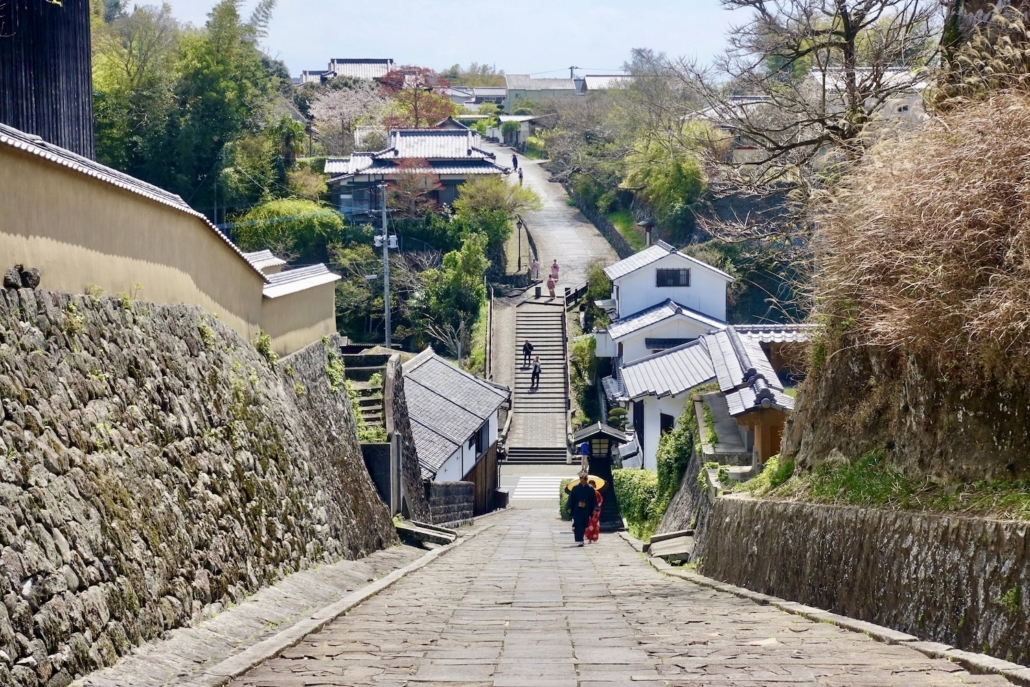
And it is known as an onsen/hot spring paradise. Shikoku on the other side has fewer historic towns than both Honshu and Kyushu, but it stands out for its genuine character and rural charm.
Kyushu
1. Izumi
Izumi was a great start for our Kyushu explorations due to its countryside allure and the low tourist numbers. I do not think that this rural town sees a lot of western travelers. Being here was a soothing experience, and this without lacking to stay and dine in style. Notabene for prices that were much lower than everywhere else we went on this trip.
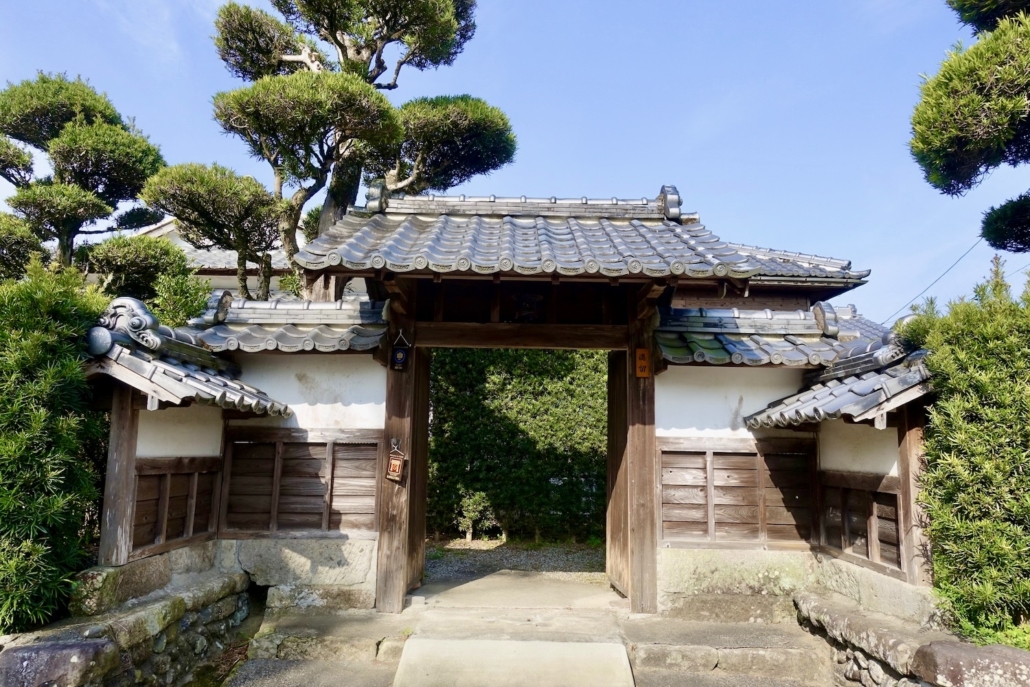
2. Unzen & Nagasaki
Unzen, an onsen resort town, and Nagasaki City, both popular tourist destinations, were not devoid of visitors but not really crowded. Only one sight in Nagasaki, Clover Garden with its western mansions,
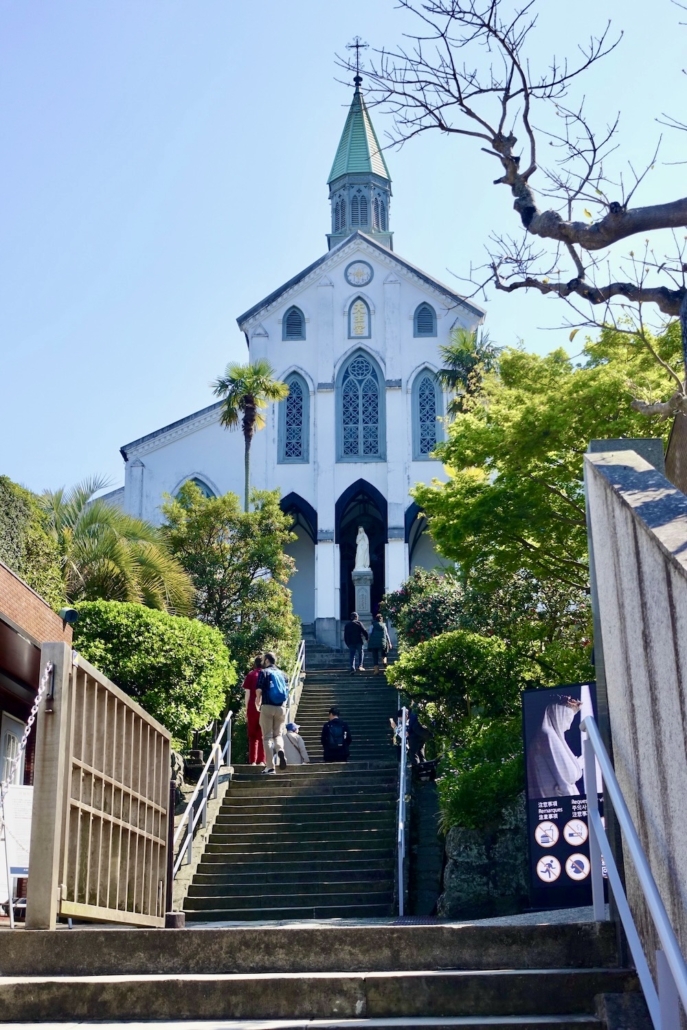
felt somewhat cramped. By the way, my husband and I liked the vibe of this port city with its striking hilly landscape.
3. Dazaifu near Fukuoka
When transferring to Yufuin, we made a side trip to Dazaifu in Fukuoka’s south. It is about a supposedly charming historic town with its Tenmangu Shrine, the head shrine of over 10,000 such ones all over Japan. While the latter is impressive and well worth a visit, the approach to it was incredibly congested with large Asian tour groups queuing for souvenirs and street food. It was not really a pleasant experience, so we quickly left this tourist trap.
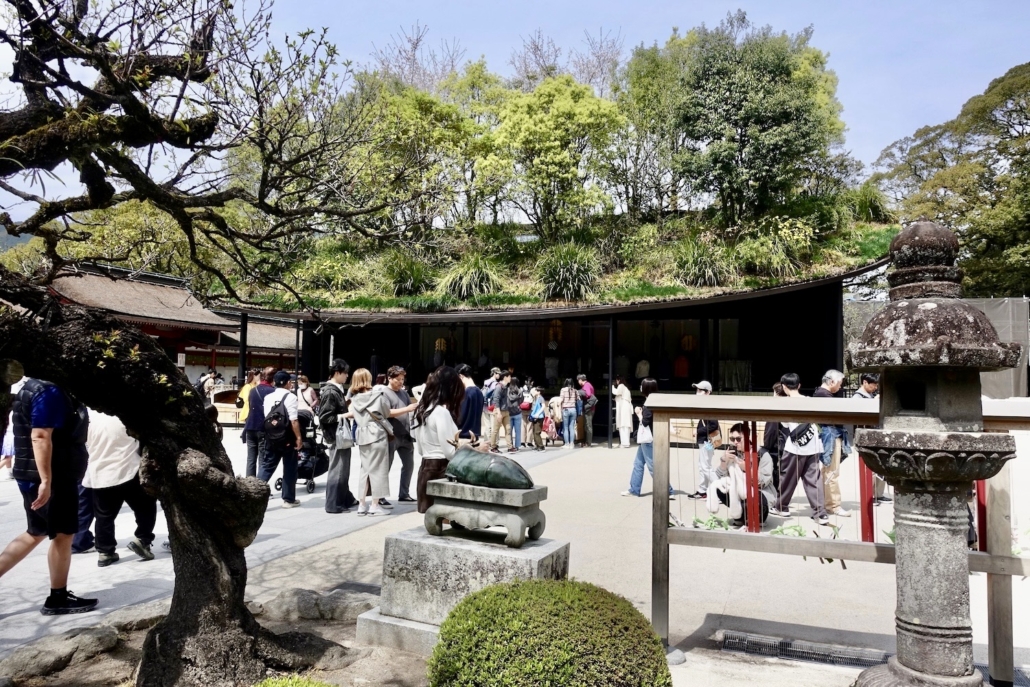
4. Yufuin & Beppu
The same situation as in Dazaifu happened in Yufuin too. Here Asian day-trippers coming by buses from Fukuoka filled the Main Street, which is lined with souvenir shops, snack stalls and cafés.
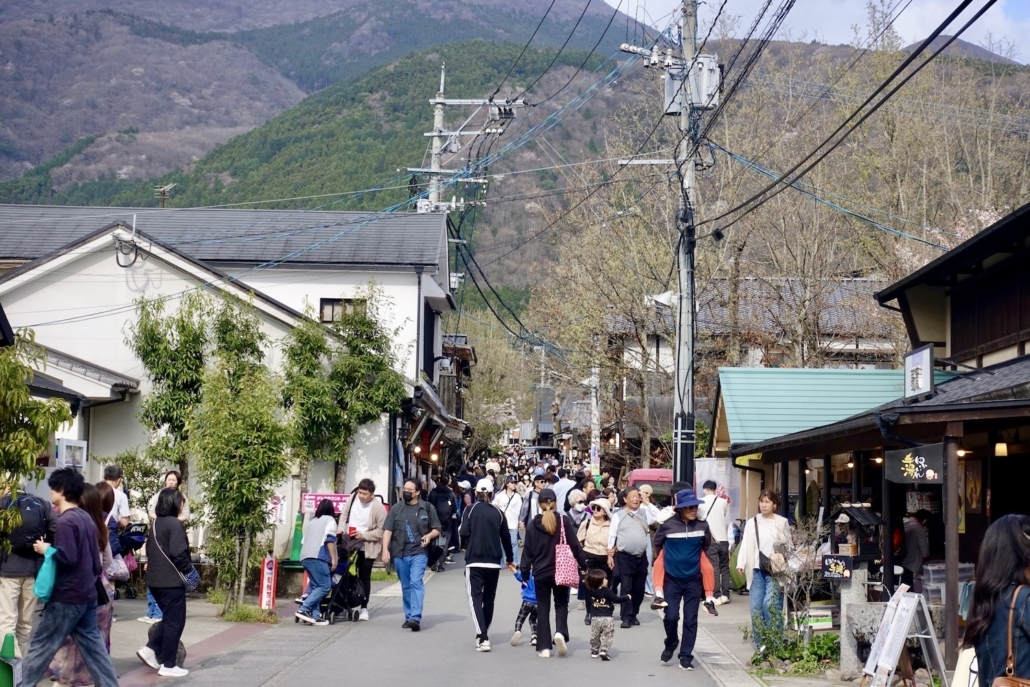
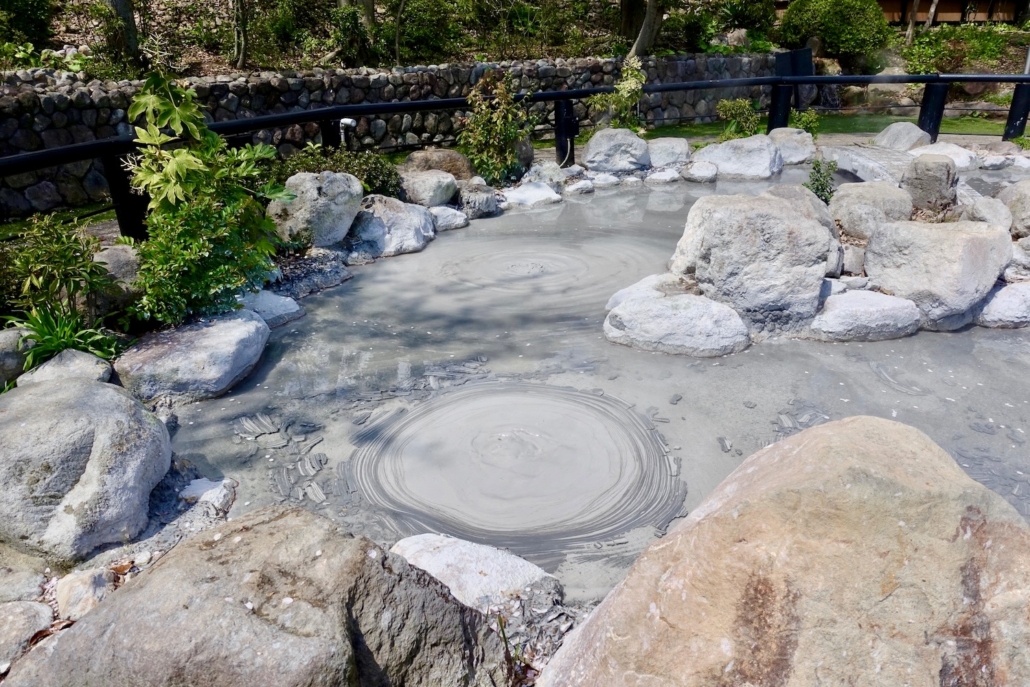
And the picturesque Lake Kinrin at the dead-end of this street overflew with crowds. My husband and I found the ambiance appalling and quickly retreated to our peaceful and quiet hotel located in the hills above town. As to the nearby “Hells of Beppu” (geothermal ponds), they were busy but not too much so – maybe with the exception of pond number one (do not buy the entrance ticket here to escape the crowds).
Shikoku
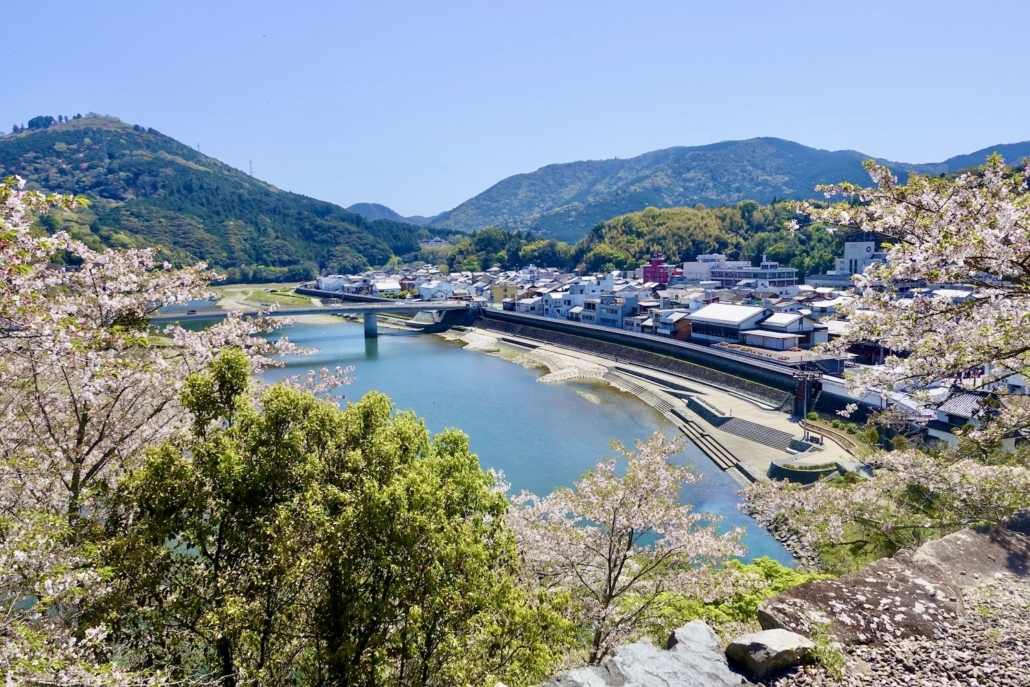
We only went to the northwestern part of Shikoku, precisely the area around Matsuyama, and to the island of Naoshima – which is closer to Honshu. So, I cannot really give an holistic view of the whole island. For my part, I am fan of Shikoku. Its primary appeal lies in offering an untouched, off-the-beaten-path contrast to more visited places on the main island of Honshu.
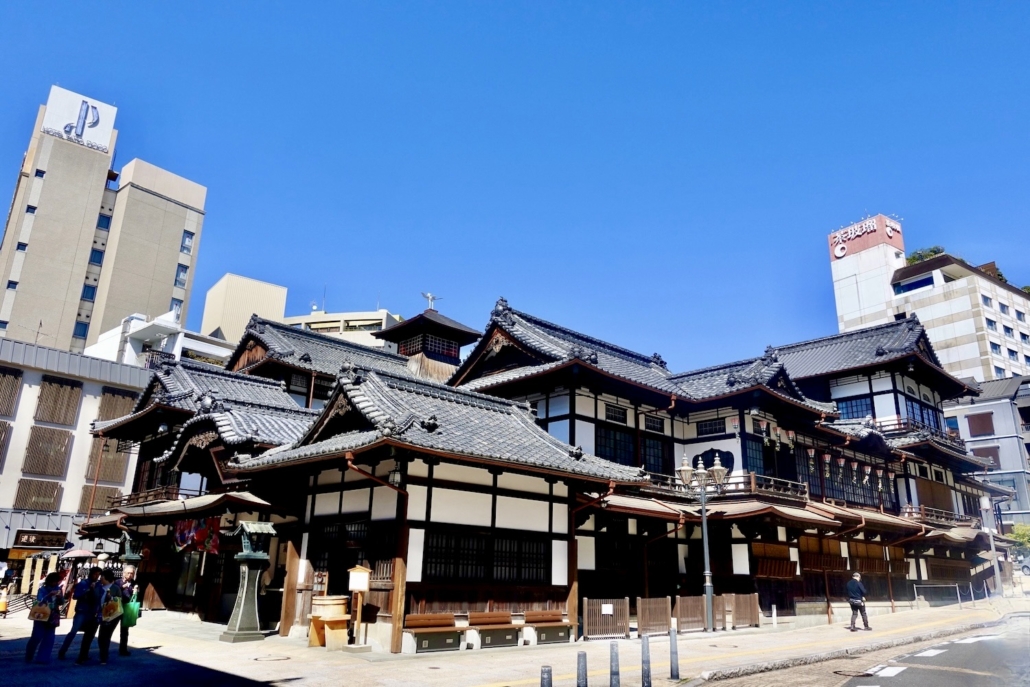
Matsuyama does have a relaxed vibe so we felt much at ease here. It is laid out over a large area and does not feature many skyscrapers. Apart from some major sights – one of few original samurai-era castles and a beautiful historic bathhouse (Dogo Onsen) – ,
there are also pleasant business districts and neighbourhoods. And I loved strolling around the nearby historic small towns of Uchiko
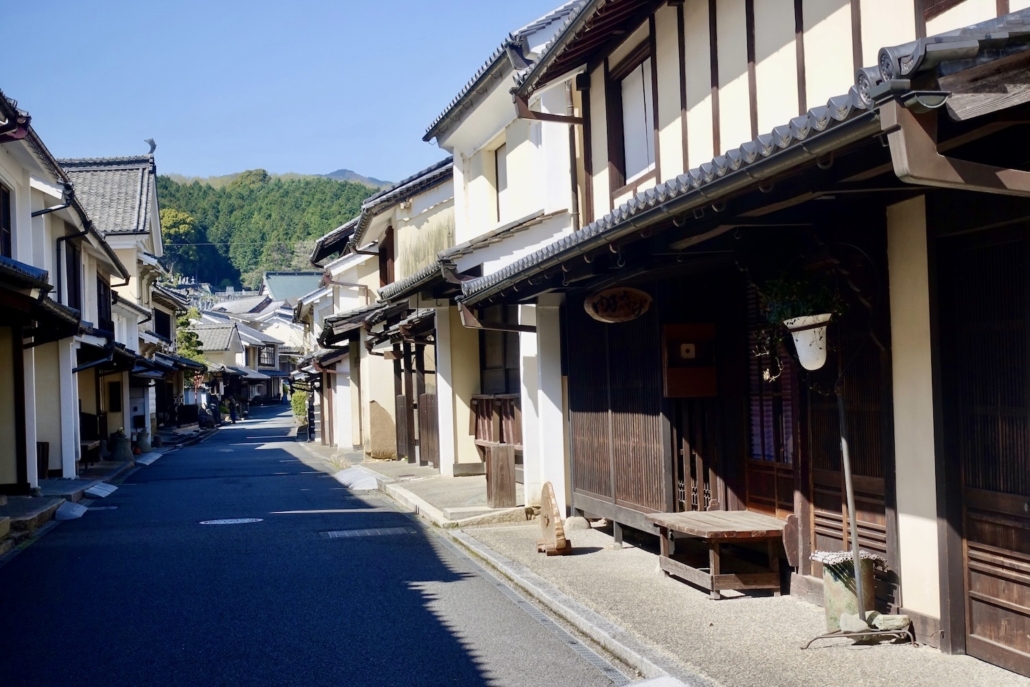
and Ozu (visit here Garyu Sanso, a century-old mountain villa), which felt authentic.
Unknown Honshu
1. Onomichi
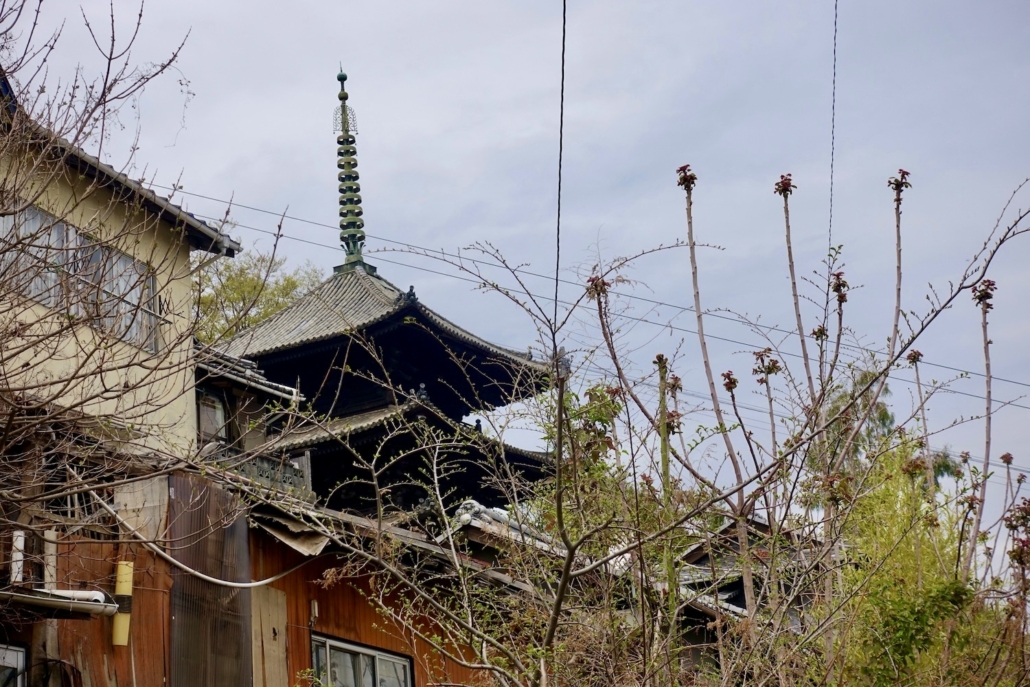
En route from Shikoku to our first stop in Honshu we made a halt in Onomichi, a charming, hilly port city in the Hiroshima Prefecture. We came here to do the Onomichi Temple Walk that connects 25 distinct Buddhist temples. An activity I recommend as it offers not only a cultural insight but also old-world Japanese neighbourhood charm and stunning vistas of the Seto Inland Sea. And the number of visitors was low.
2. Kurashiki
More people were around in Kurashiki but not too much so, at least towards evening. You come here for the Bikan Historical Quarter whose heart is a willow-lined canal district from the 17th century. As it escaped destruction during World Wart II, its old-world structures are intact. It is full of striking kura (merchant storehouses).
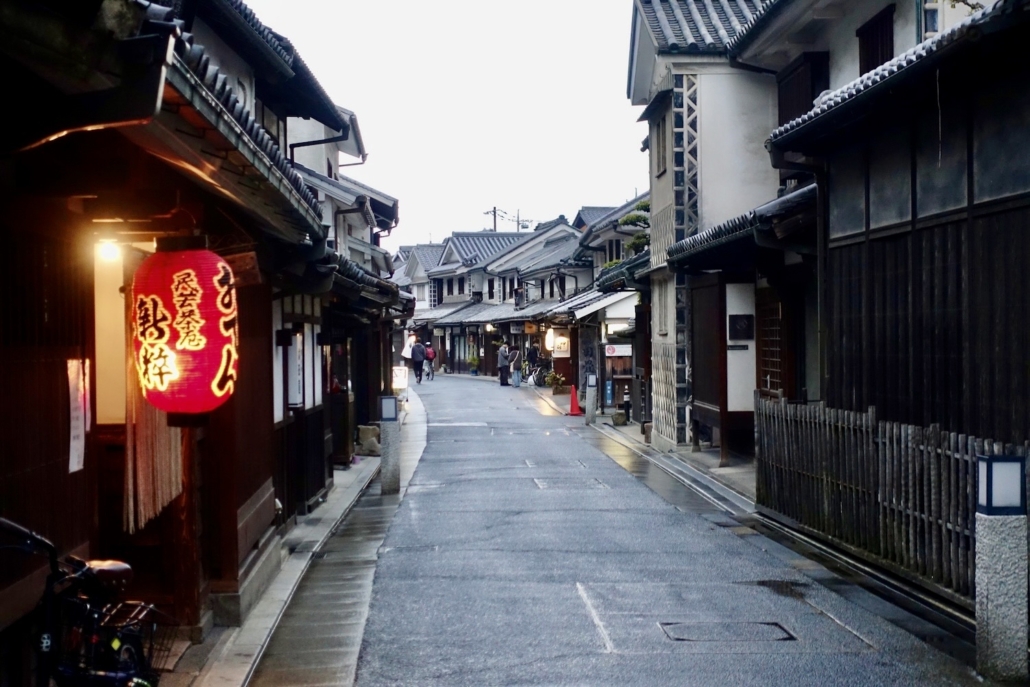
3. Kyoto by the Sea
When it comes to our next stop in unknown Honshu, the so-called Kyoto by the Sea, there was tourism on our stay, but it was not overwhelming. The Pine Sandbar of Amanohashidate is quite a point of attraction but if you walk a bit further – it is 3.6 km/2.2 mi long – , then you are almost on your own.
Ine, the nearby fishing village famous for its funaya boat houses, was uncrowded except of the Hinode Pier where the large tour groups boarded. We in contrast used a sea taxi to get a close-up view of the wooden boat houses from the water.
4. Ago Bay in the south of Shima Peninsula
There is tourism on the Shima Peninsula, but in varies by location. While there was not much on our stay in its very southeast (between Anorisaki and Daiosaki Lighthouses),
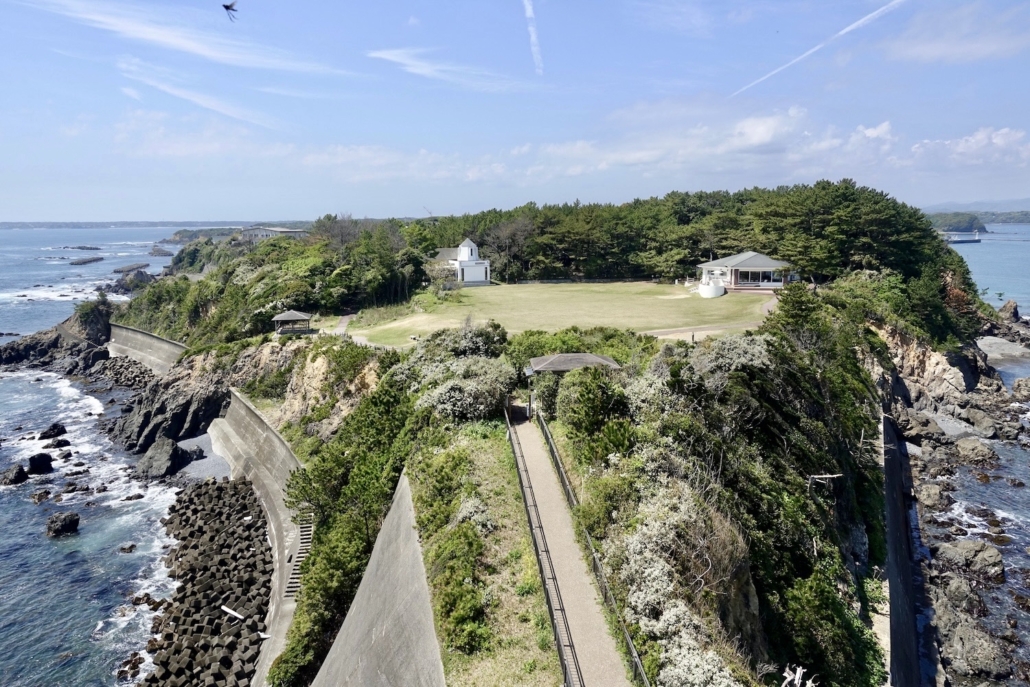
you find quite some folks in the Ago Bay, e.g. at the Yokoyama Observation Deck. And lots of visitors (pilgrims and tourists) flock to the Ise Shrines, the holiest in Shintoism.
Conclusion to rarely explored Kyushu-Shikoku-unknown Honshu Japan itinerary
Did our second trip to Japan fulfill our expectations for a rewarding, off-the-beaten-path experience? Overall, I would agree. First in Kyushu, I longed for the well-preserved historical towns I remember from the Extended Golden Triangle/Route. Then I began to appreciate the more relaxed pace here paired with subtropical nature, volcanic landscapes and top hot springs. In Shikoku I loved the true essence of rural Japan that I encountered here. And in “Unknown Honshu” as I call it, we could enjoy amazing, lesser-visited attractions.
Yet I personally think that our second Japan trip was only truly complete because of the hotels we chose. We had everything, ranging from a former samurai residence to a previous corporate guest house respectively an art museum, modern and traditional ryokans and a former kimono merchant’s residence. You cannot think a Japan journey without the one-of-a-kind experiences you make in these unique accommodations I mentioned.
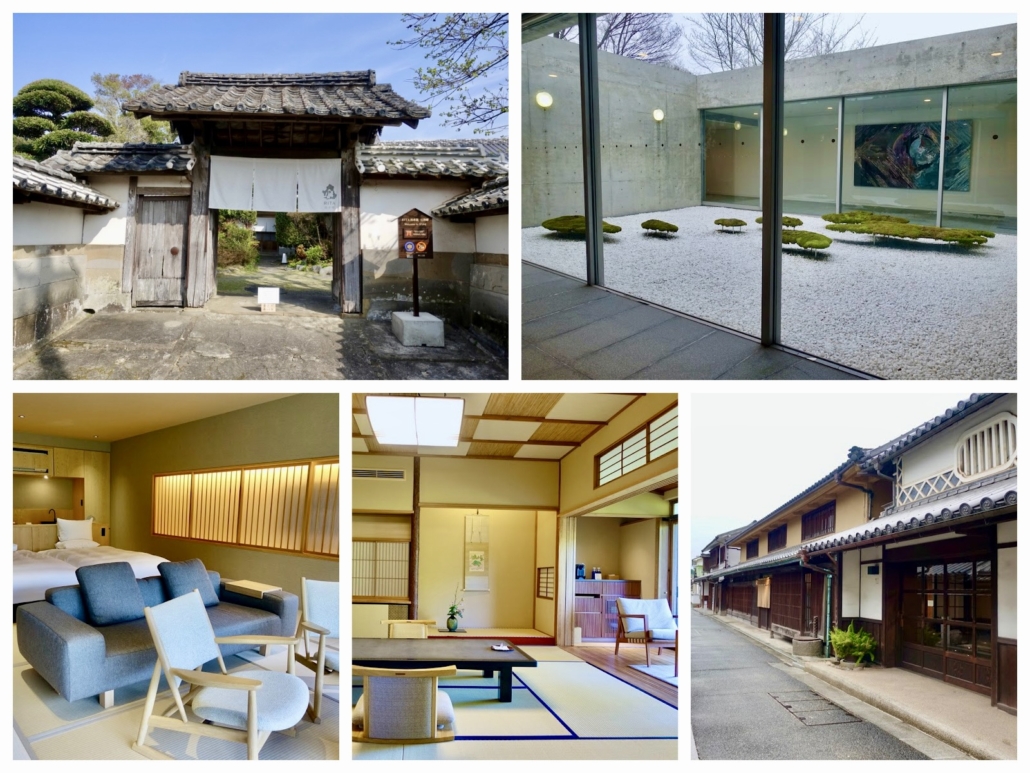
Therefore, my upcoming blog post will cover the accommodations from our second trip to lesser-known Japan. These often included the dinner, think of elaborate kaiseki meals. In case you should be interested in dining out in style in Osaka, Kyoto and Izumi (Kyushu), another post of mine covers 6 top fine-dining restaurants.
Date of stay: April 2026
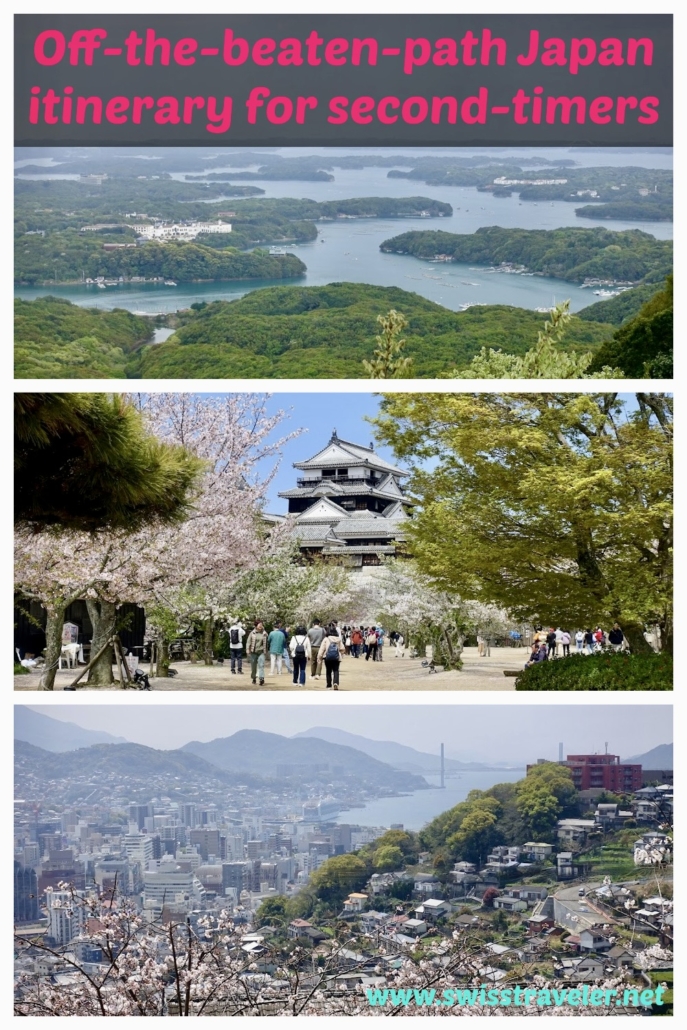
Pin it for later
The post A second trip to Japan, a 24-day off-the-beaten-path itinerary first appeared on Swiss Traveler



Leave a Reply
Want to join the discussion?Feel free to contribute!