
Where to stay in style on a second trip to lesser-known Japan
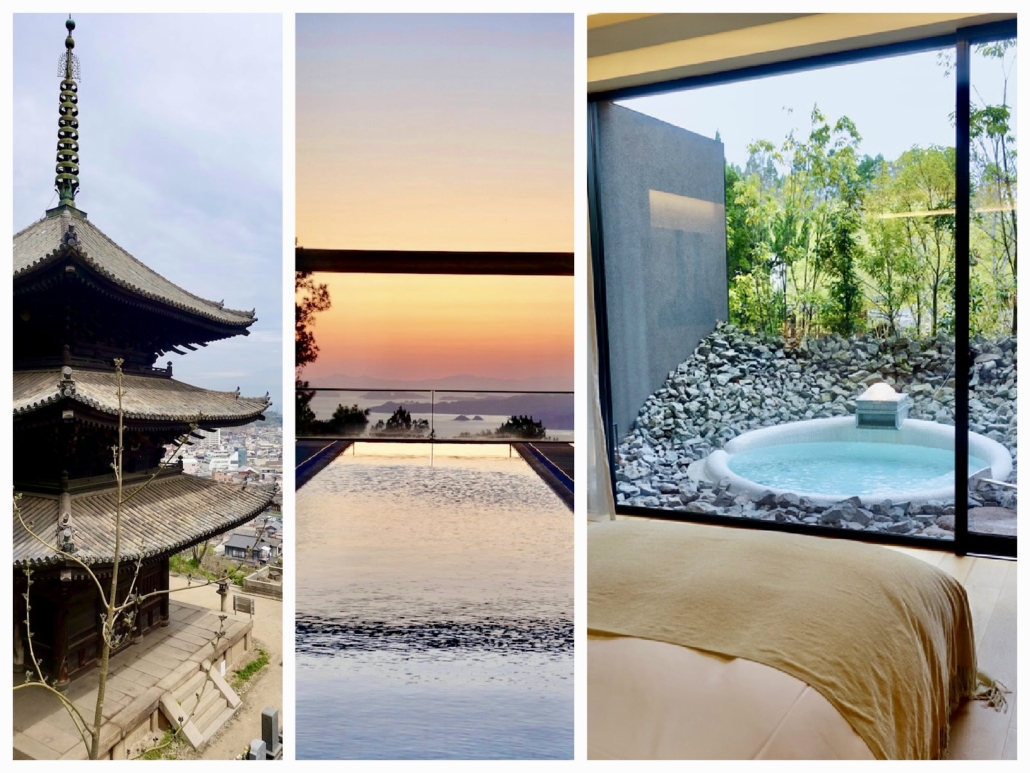
Luxury hotels on a Japan journey through Kyushu, Shikoku & unknown Honshu:
Here is the information on which luxury hotels to choose on a second journey to lesser-known Japan. It is about traveling Kyushu, Shikoku and unknown Honshu. In my last post, I provided the corresponding itinerary. I emphasize “second” trip because I think that there is no way around the royal way to discover Japan on a first trip. And this is by the (Extended) Golden Triangle/Route I described in the same post too. You have to know in this context that staying in typical Japanese hotels (ryokans and other boutique lodgings) is half the fun of traveling Japan. So, your choice of accommodation is of great importance. I am happy to advise on this by elaborating about the luxury hotels my husband and I opted for on our recent visit to off-the-beaten-path Japan.
Before I go further, find first My Google Map of a 3½-week Japan itinerary in style for second-timers. It comes with all the hotels, restaurants and activities we experienced complete with short descriptions.
Luxury hotels on lesser-known Japan trip
I mentioned it already, our second trip to off-the-beaten-path Japan went to Kyushu, Shikoku and unknown Honshu. While we had three stops in both Kyushu and Honshu, there was only one in Shikoku. So, I cannot give a complete picture of the latter. The itinerary of this Japanese journey was heavily influenced by the lodging options en route. Precisely, where there were no well-rated luxury hotels we did not stay.
In this context, I also have to stress that we usually do not pay excessive prices. If we think a hotel charges too much, then we cannot take it into consideration.
While we also had hotel stays in Osaka and Kyoto, I will not go into them – but you find the key points in My Google Map. Now to our choice of lodging and my comments to the individual places.
Our Kyushu luxury hotels in off-the-beaten-path Japan
After flying in from Osaka to Kagoshima, we started our Kyushu explorations from the south of this island and headed north, first to Unzen and Nagasaki City in its northwest, then to Yufuin/Beppu in its northeast. As I mentioned in my itinerary post, we traveled by rental car. So, we were flexible and did not need transportation for our explorations.
1. Izumi: RITA Izumi Fumato
Izumi on Kyushu’s southwestern coast is not a town you will find in every travel guide – it probably is not included in any of the usual ones. This is because it is not really a tourist place. There is Izumi Fumoto, a massive, beautifully preserved samurai residential district, but that is it. And this is why we came. I had discovered a gem of a hotel here, RITA Izumi Fumato. This is a unique samurai residence hotel with only six rooms, and these across three properties. It is about 100-year-old traditional samurai homes, which have been meticulously preserved.
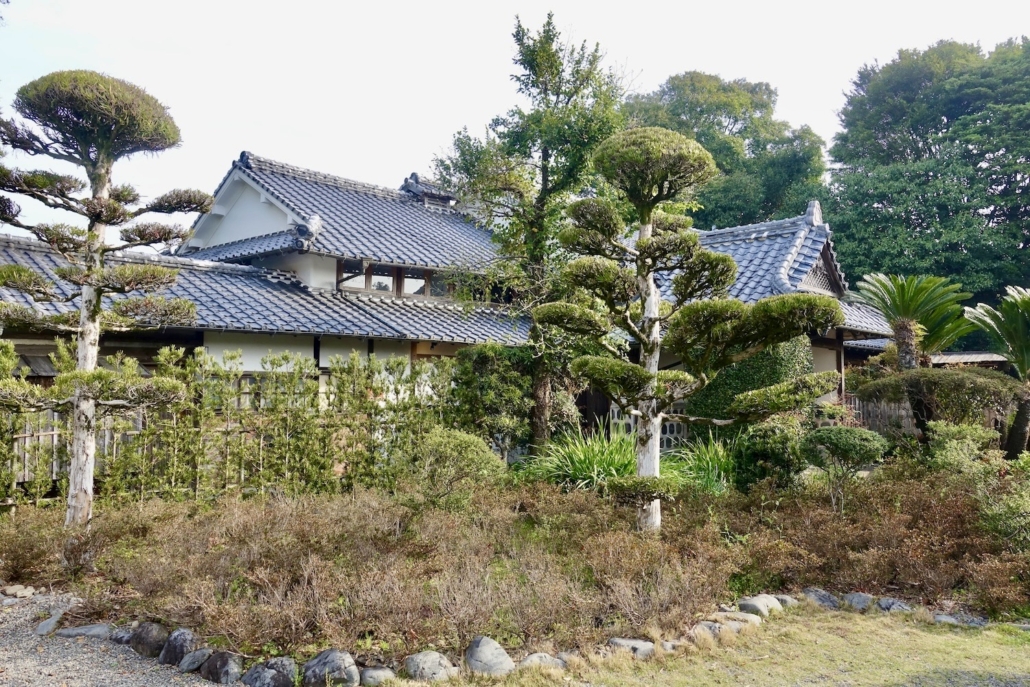
While they feature wooden beams and tatami floors, they come with all the modern comforts (hotel opened in June 2022).
My husband and I did not think long and decided to start our Kyushu journey here. And we were more than happy with our stay! After a cordial welcome we settled in our room of choice, Akane (85 sqm) at the Miyaji Residence. It was huge and nicely decorated.
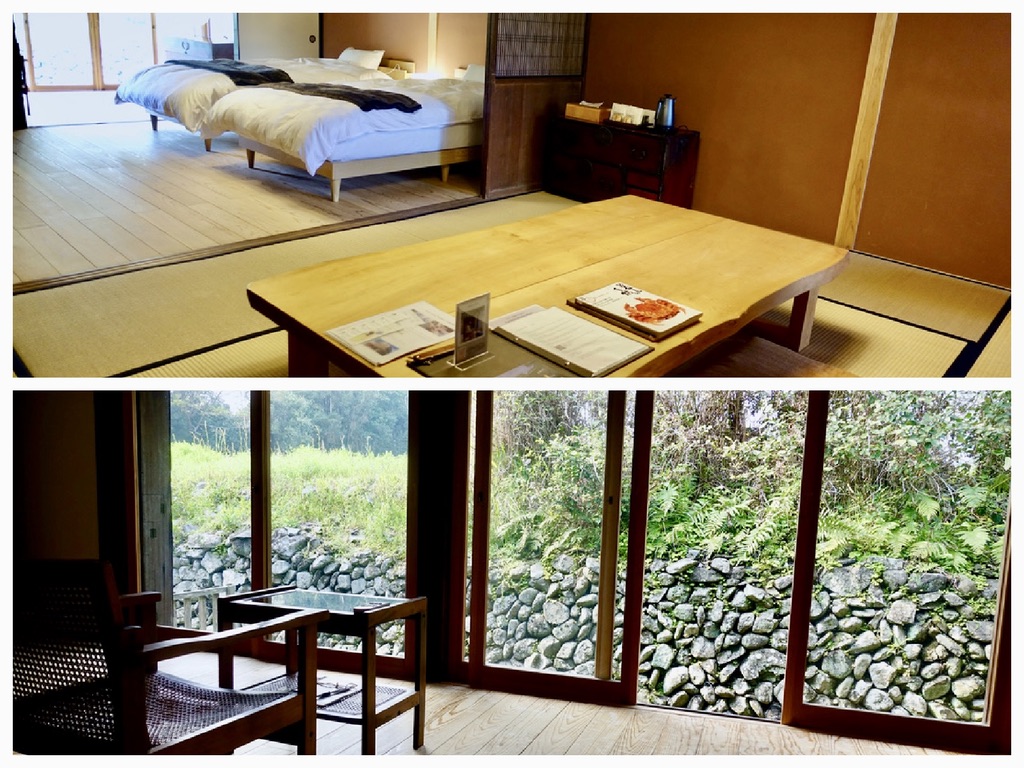
The one thing you have to know is that the walls are very thin. So, when it is cold outside, it is the same inside. Yet they have made provisions, there were two A/C units, three heaters and one air cleaner.
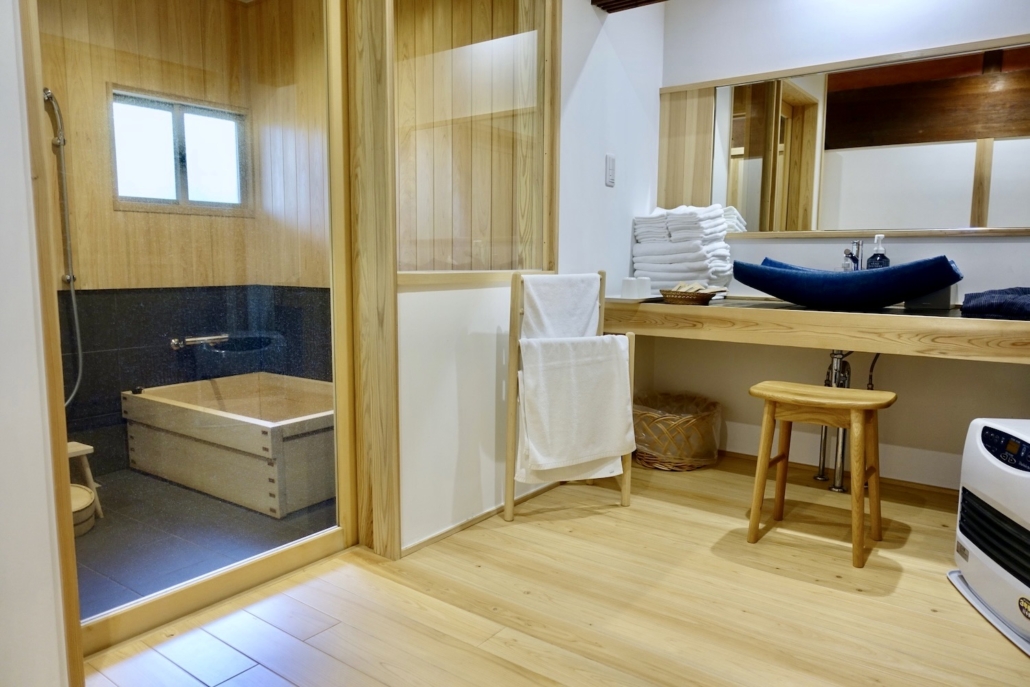
Staff was friendly and helpful throughout our stay, although their English was basic (better use Google Translate). Included in the rate (39,000 Yen/night, which was much value for money) was a fine breakfast at another residence (ten minutes by foot away).
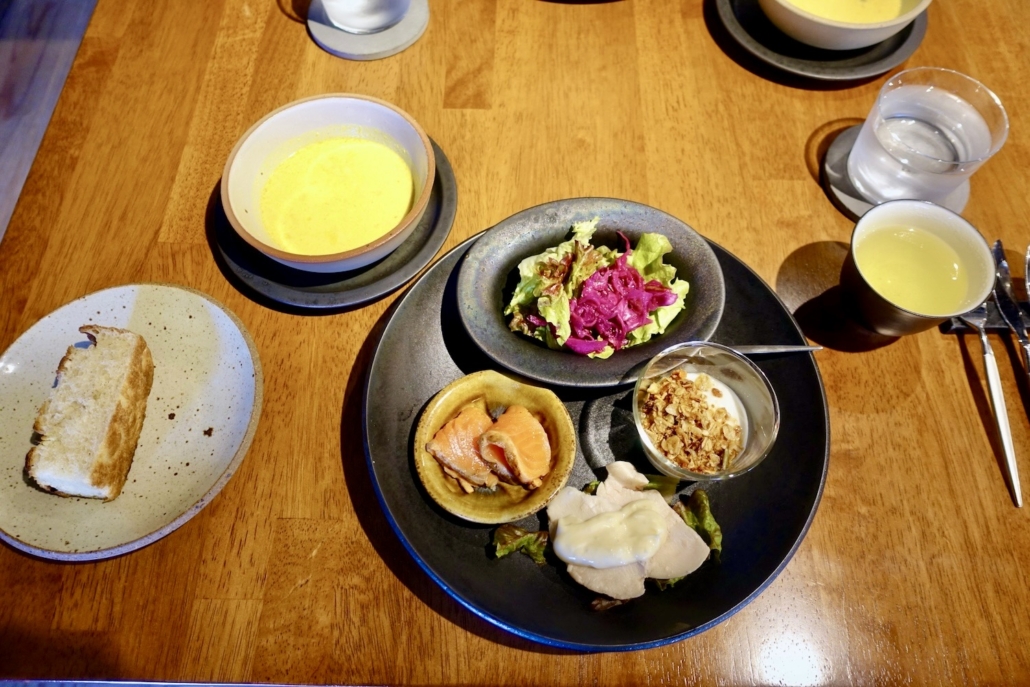
While it was not necessarily hearty, it was big enough and consisted of a good mix of western and Japanese items. Rooms were cleaned daily, but it was only an eco cleaning (waste removal and water refill). Bottom line, we would return in a heartbeat!
2. Unzen: Unzen Miyazaki Ryokan
When it came to our Unzen accommodation, my husband and I hesitated for quite a long time between Unzen Miyazaki Ryokan
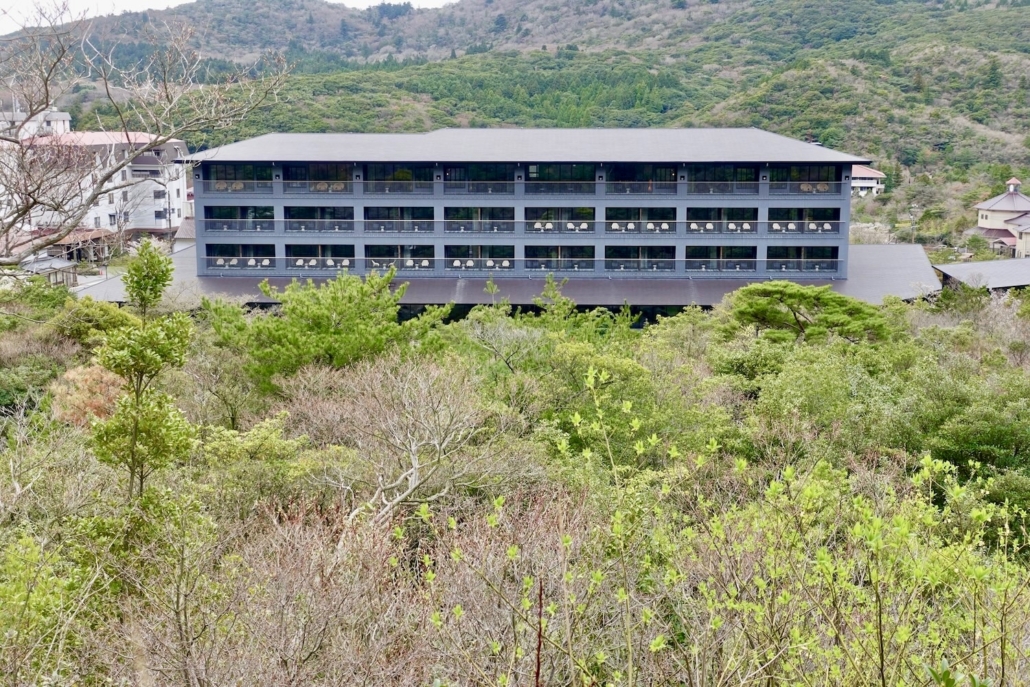
and another one recommended by the Michelin Guide, Ryotei Hanzuiryo. But we were not not fully convinced of the latter, especially price wise, so we opted for the former. And we were not disappointed! The hotel reopened in December 2025 after a thorough makeover. And I think it was very well done. I like the design, which is more contemporary than traditional. The lobby and the dining-room are beauties, both modern and kept in a dark-grey hue.
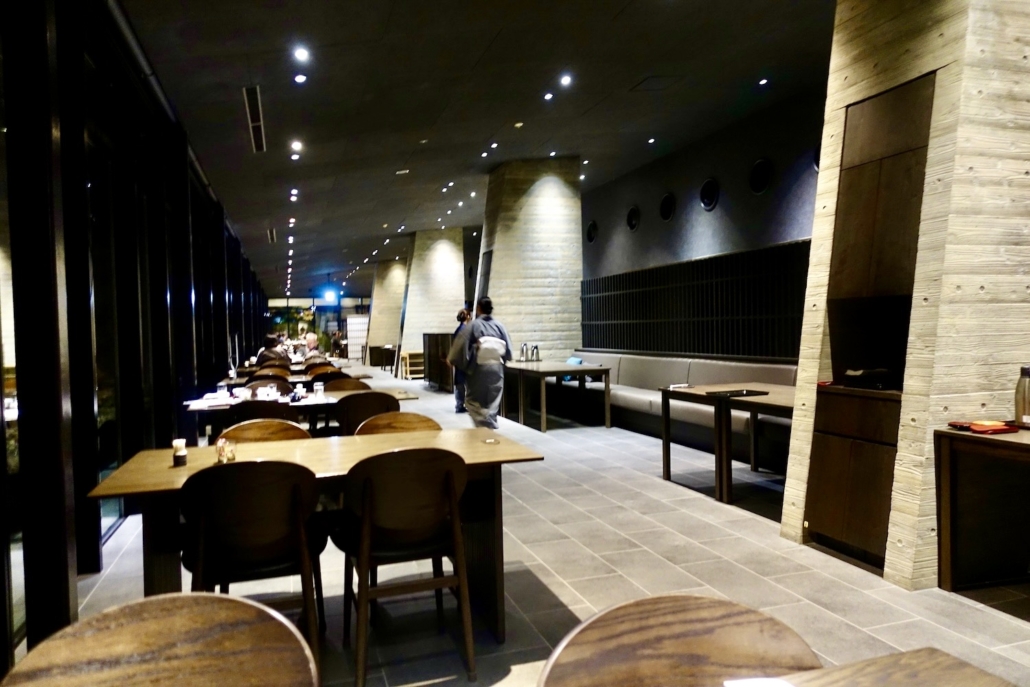
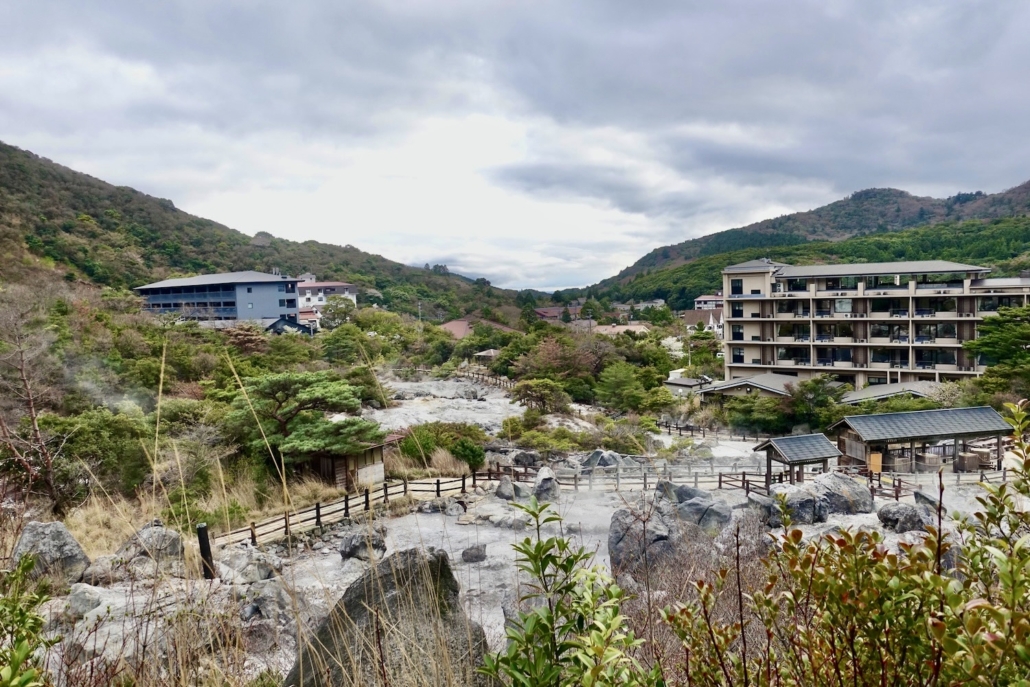
Out of the 39 guest rooms, we opted for a Premium Design Corner Room
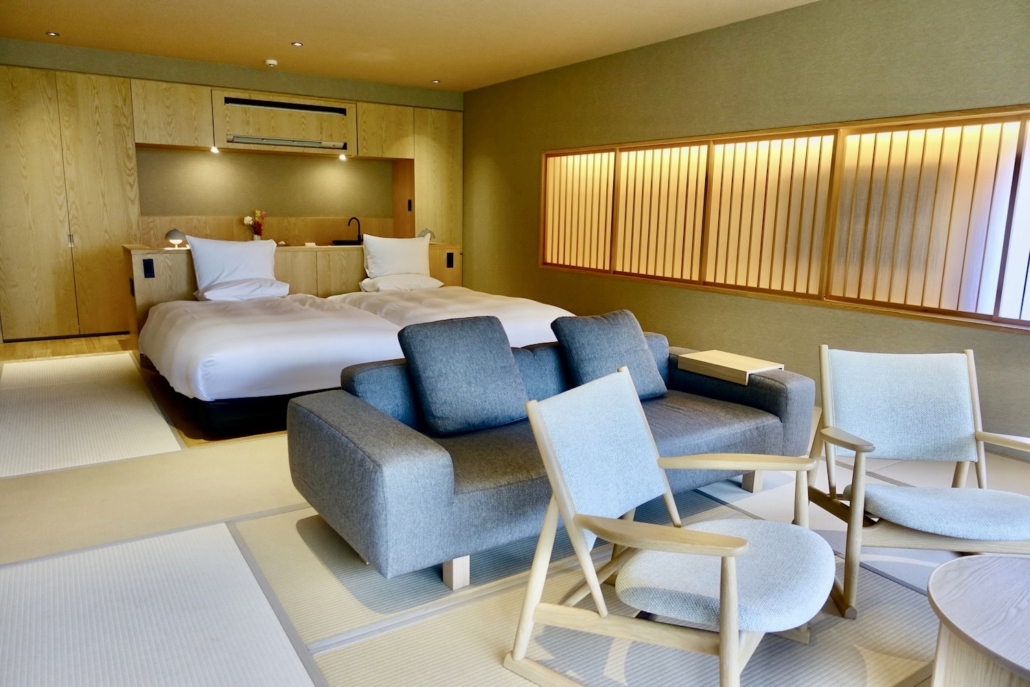
with a Semi-Open-Air Bath (82 sqm, 150,741 Yen/night including dinner and access to lounge with free drinks). I was fond of the layout and the modern furnishings. Also the bathroom was nice, however the onsen bath was a bit on the small side (only just large enough for two persons).
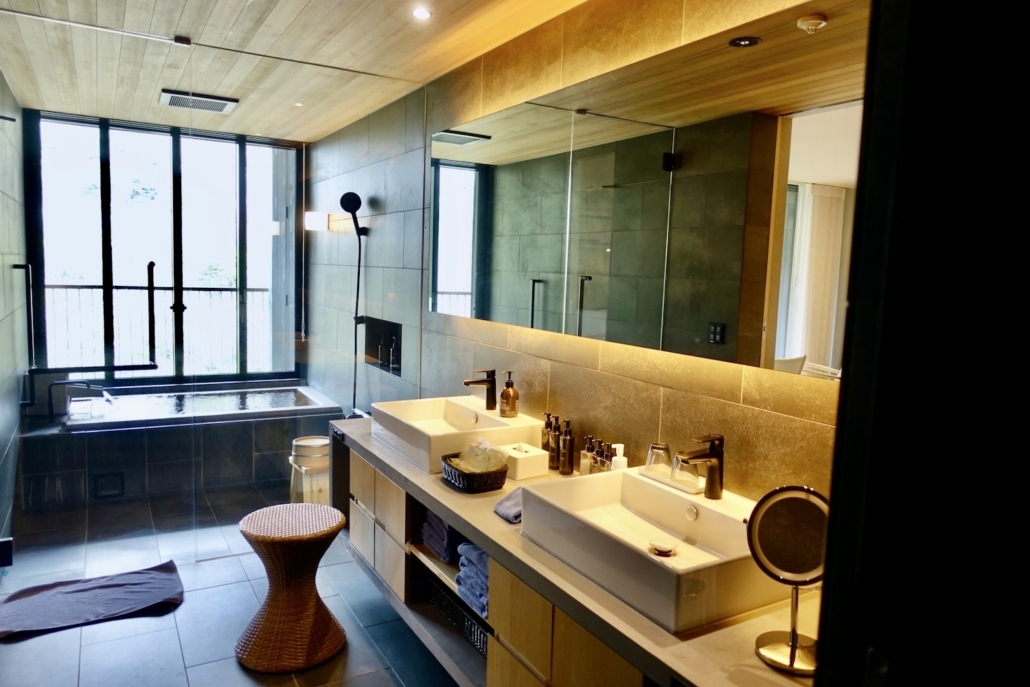
And having a corner room offered no extra benefit except a small side-facing window.
We received a warm welcome at this ryokan. Throughout our stay, the staff was convincing, from a thorough room cleaning to a pleasant dinner service and providing helpful information. They usually spoke good English. When the topic was a bit complex, they used Google Translate to convey their message clearly. As to dinner, we got a fine kaiseki meal with enough variety over the three nights we spent here.
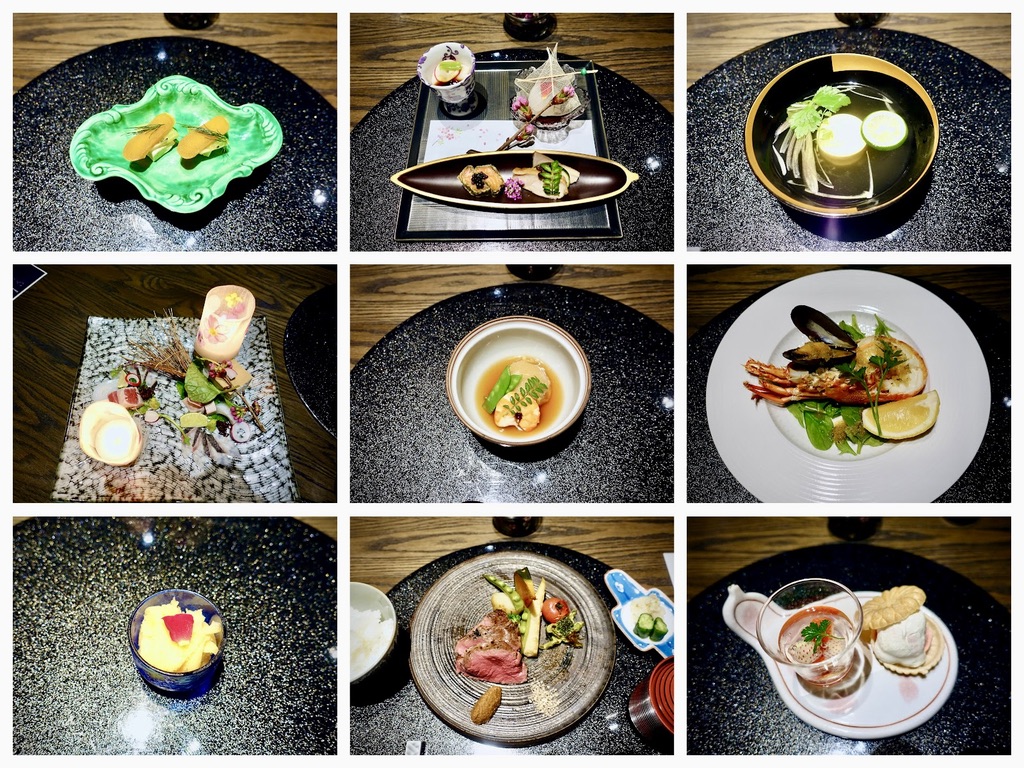
Only the breakfast was a bit overwhelming with not only a box with lots of different food items in it, but a number of additional courses too
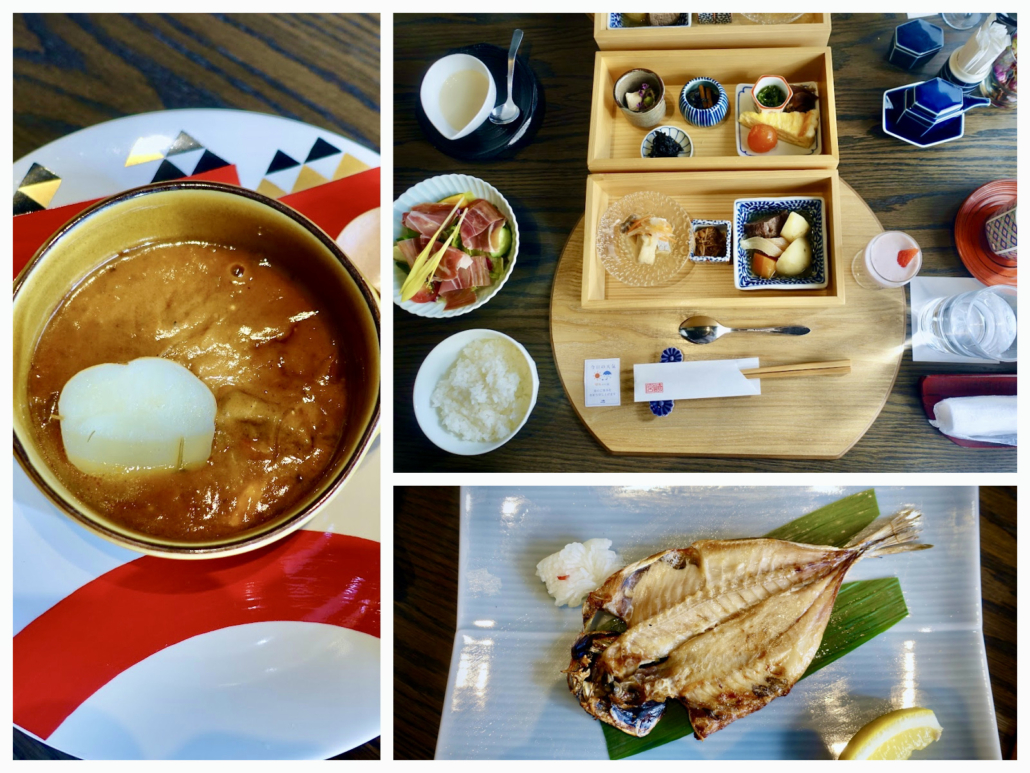
My verdict: I would return here without hesitation.
3. Yufuin: Enowa Yufuin Botanical Retreat
This was the first hotel we booked for this Japan trip. I learned of its opening (June 2023) when it became part of Relais & Châteaux. And I quickly fell in love with it as it appeared as something special. In particular, as it follows an ultra-local farm-to-table approach with its Jimgu Restaurant.
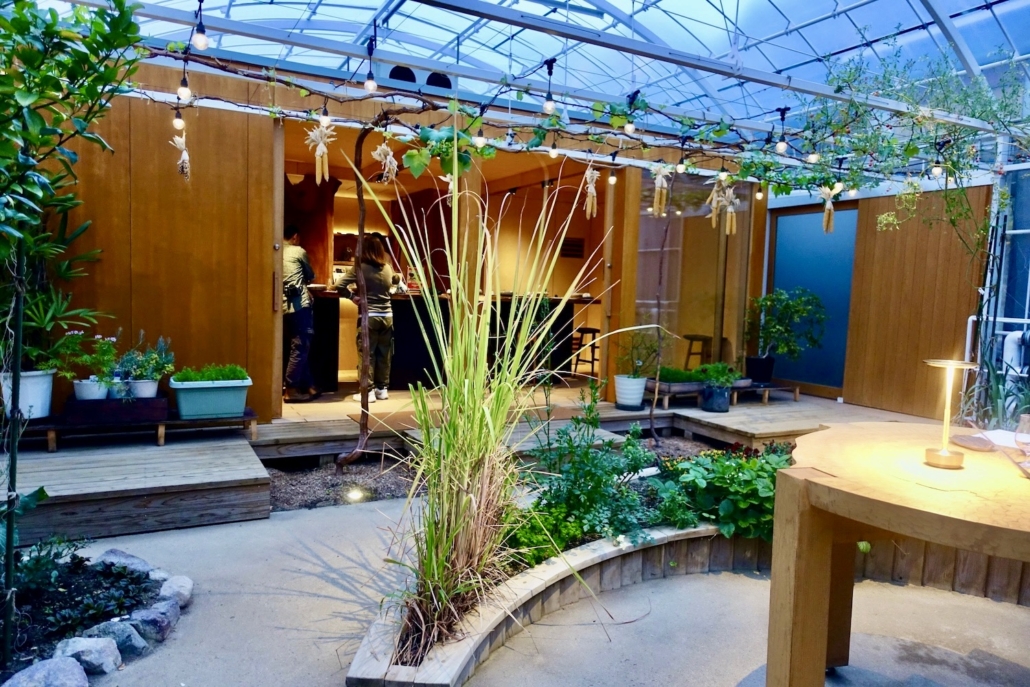
Here a chef is at the helm who worked many years at Blue Hill at Stone Barns in New York. This is not only a pioneer of the farm-to-table movement but has also has held two Michelin stars since 2019. And the food at this dining spot (modern French) was really fantastic! Both dinner
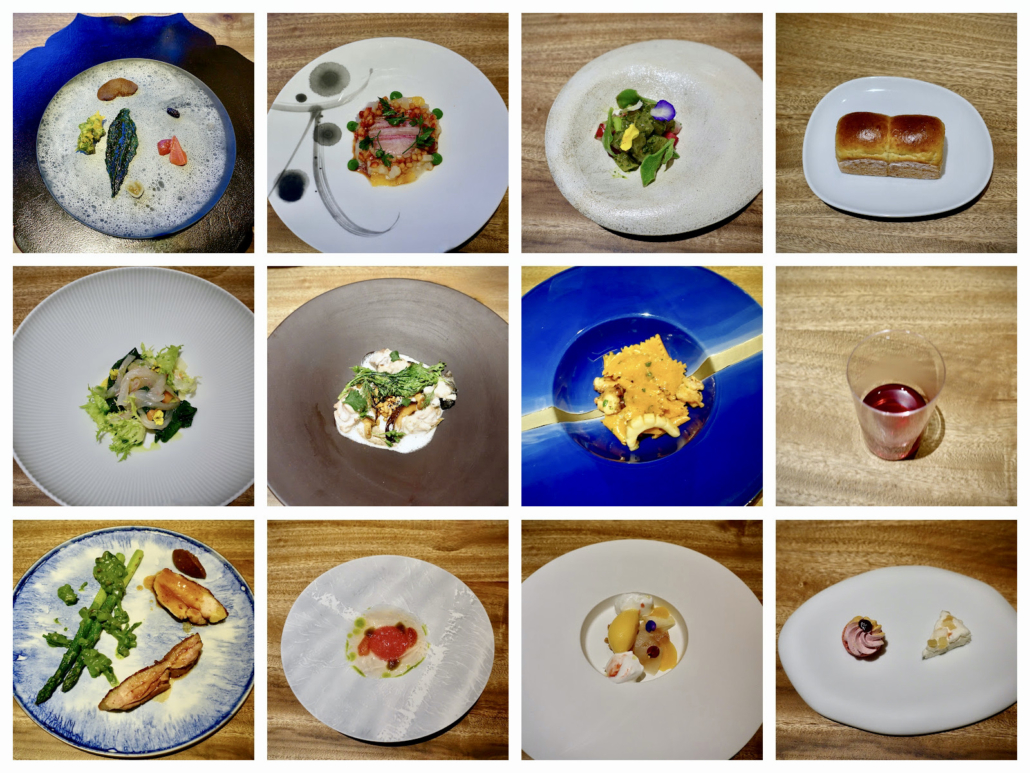
and breakfast were hits. As to the latter, it was definitely the best I have ever had!
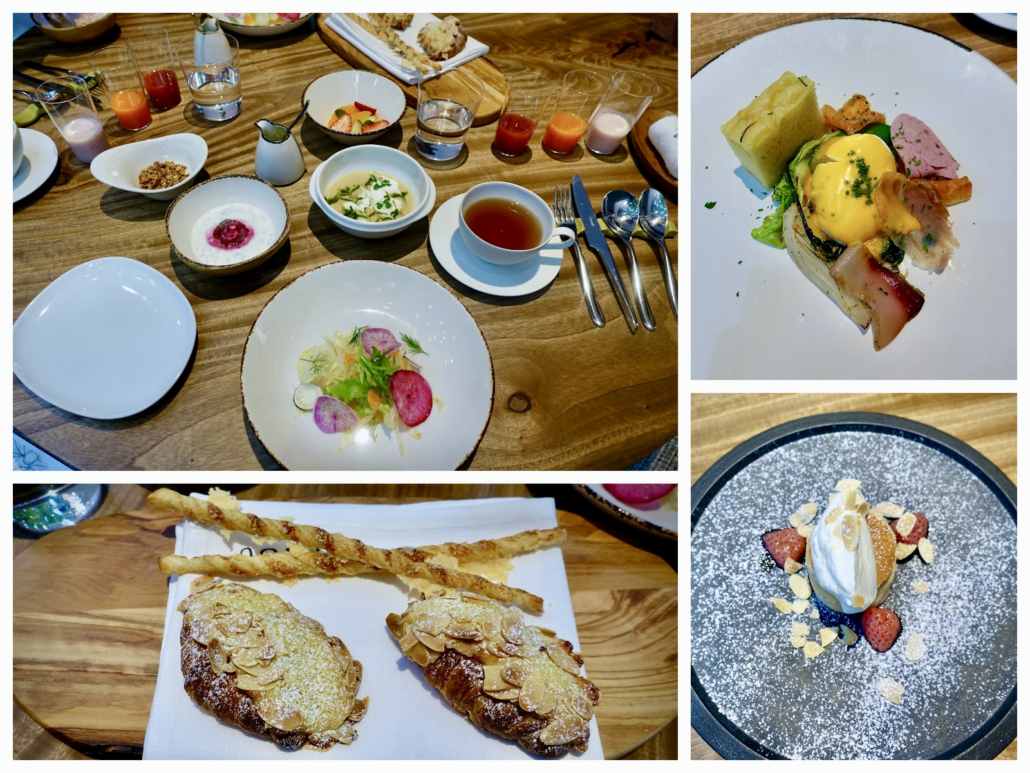
And the chef, Tashi Gyamtso from Tibet, is a nice guy, who chats with his guests when the occasion arises.
Not only the restaurant – an impressive roundhouse –
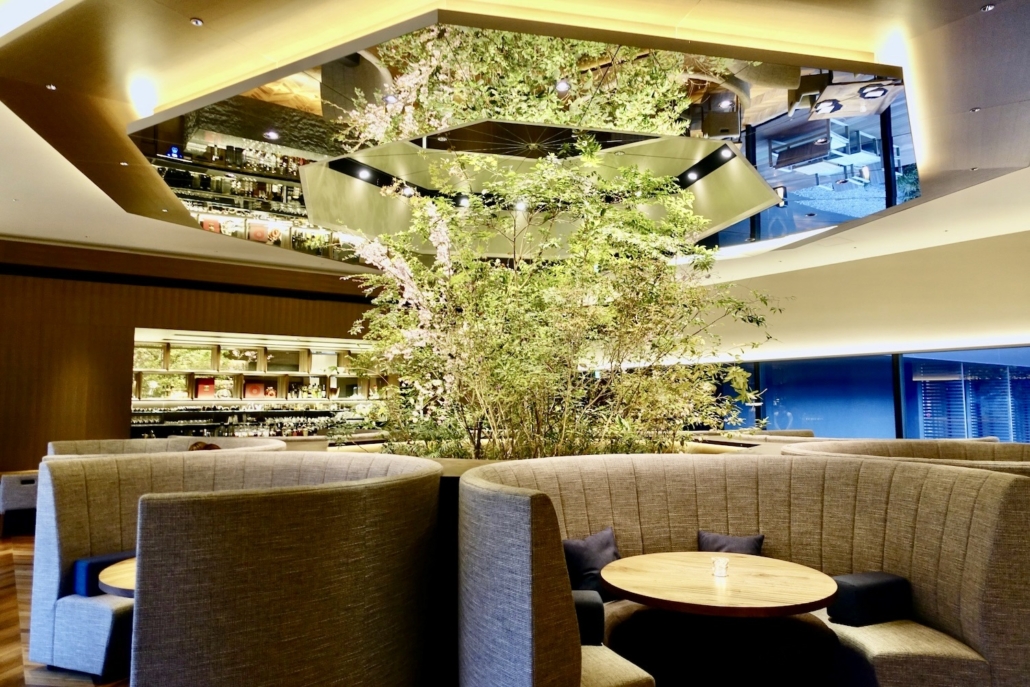
knows how to please but also the property (two Michelin Keys). It stretches across a huge terraced hillside
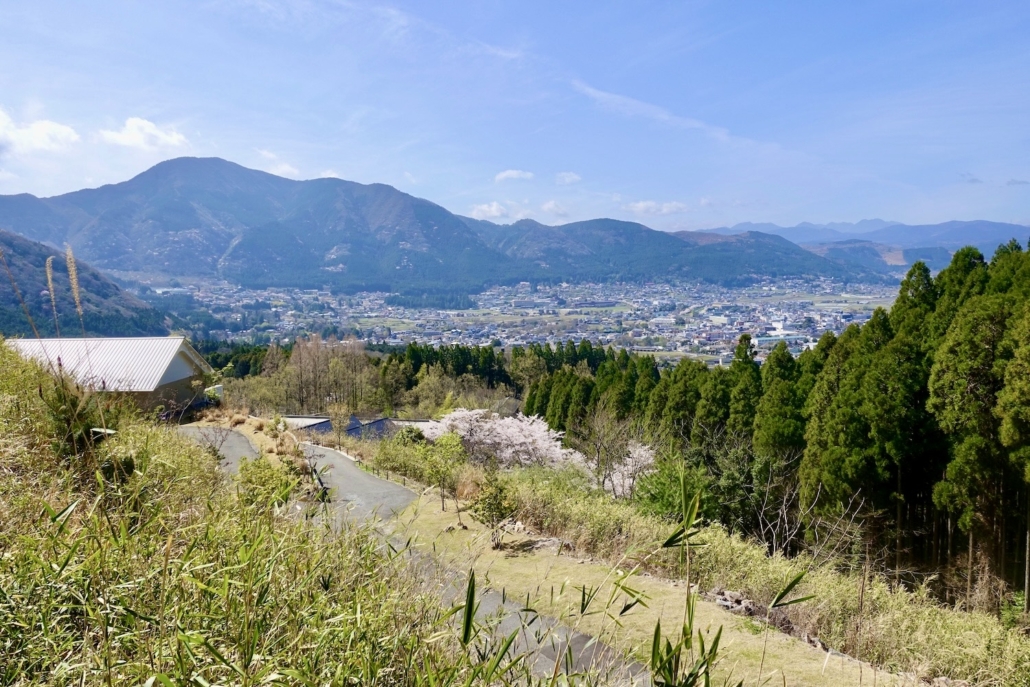
and is ultra modern with lots of natural materials used in its construction. You find here 19 accommodations (9 rooms in the main building
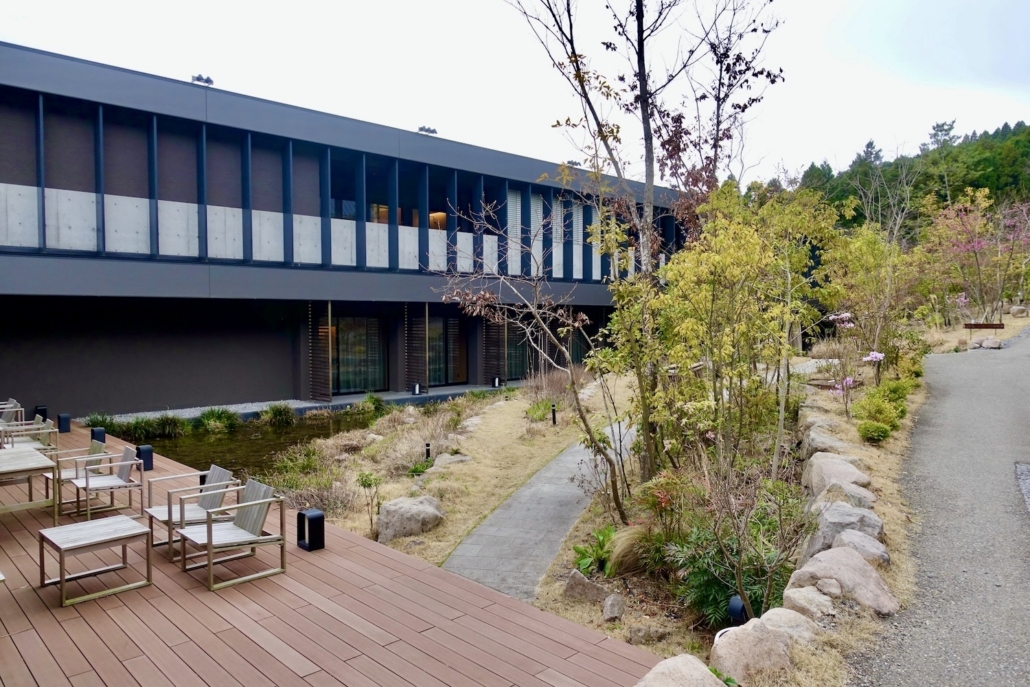
and 10 standalone luxury villas along the hillside). My husband and I went for one of the entry-level rooms (78 sqm, 158,338 Yen/night with dinner). While I liked the outdoor onsen and its design,
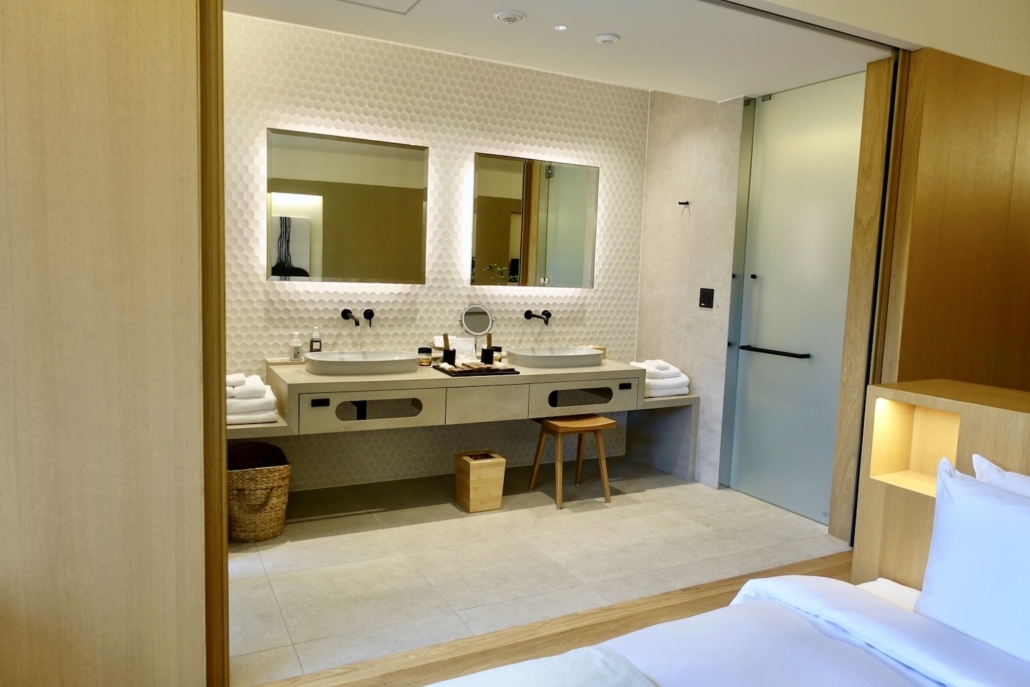
I was not a huge fan of the layout (bed in front of the window – with no view to speak of – and sitting room in the rear – which was quite dark).
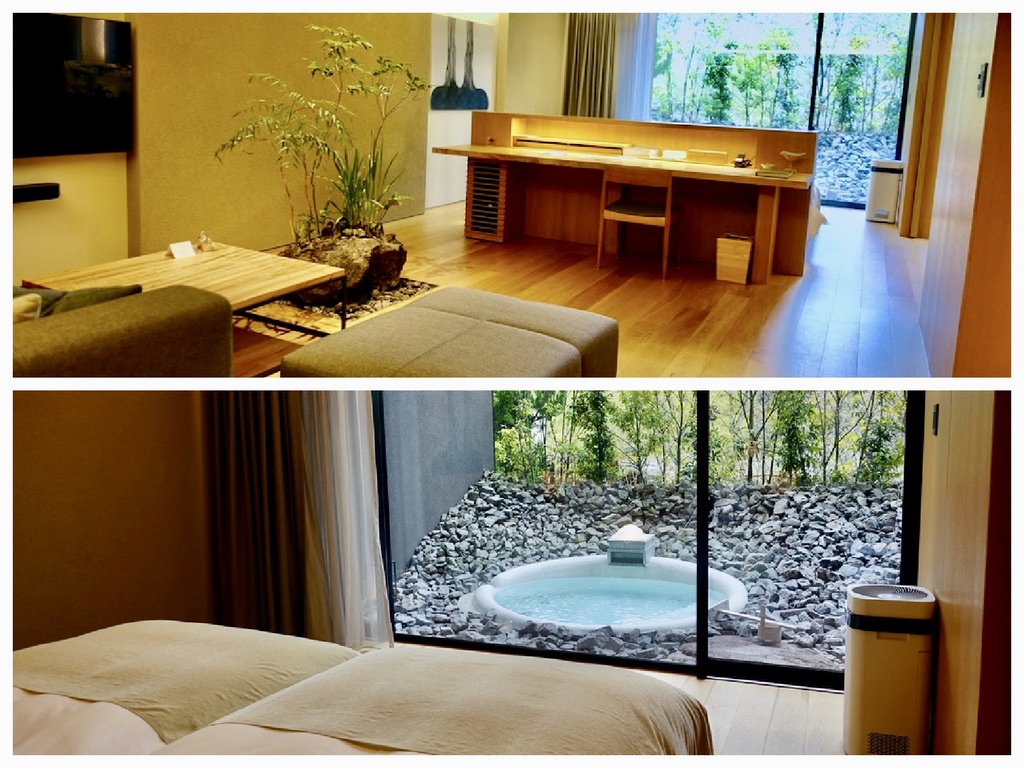
When it came to service, we were very happy with the manager, who turned out to be very attentive and helpful. Yet, we unfortunately did not have an ideal first encounter. At the time, we sensed that she wanted to push us to have dinner early to accommodate her schedule. As we were not ready to comply (we had reserved ages ago), she finally found a solution. Otherwise and overall, we had a very pleasant stay and would go there again without thinking twice.
A great luxury hotel in Shikoku, a lesser-known part in Japan
As you have learned before, we had only one stay on the island of Shikoku. This was in the hills above Matsuyama it its northwest. Here we found the following extraordinary luxury hotel in this part of lesser-known Japan.
Matsuyama: Setouchi Retreat by Onko Chishin
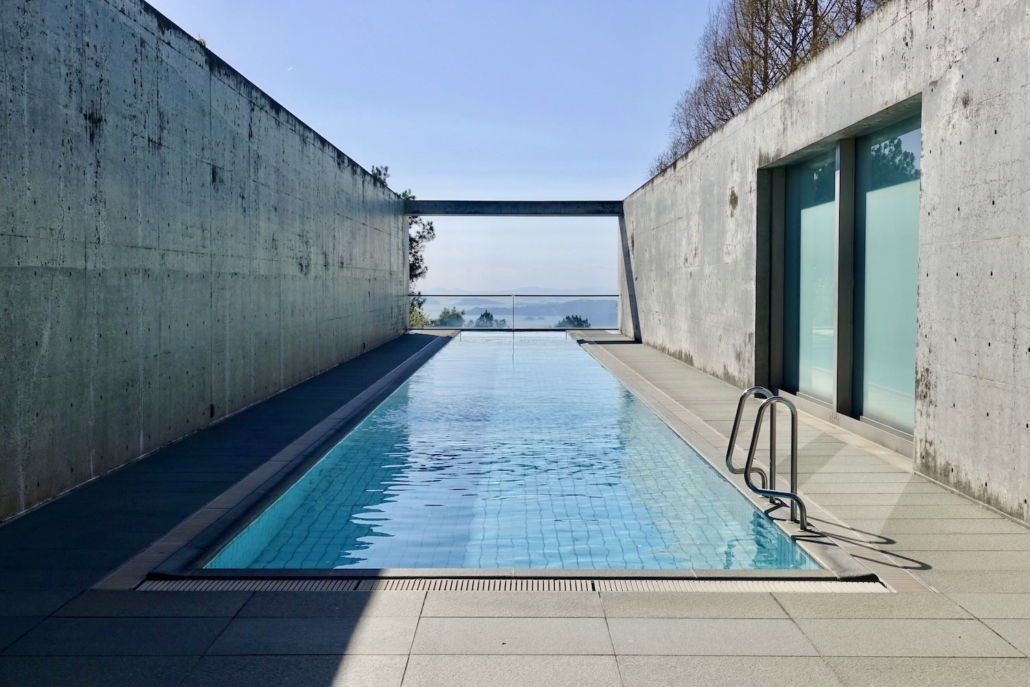
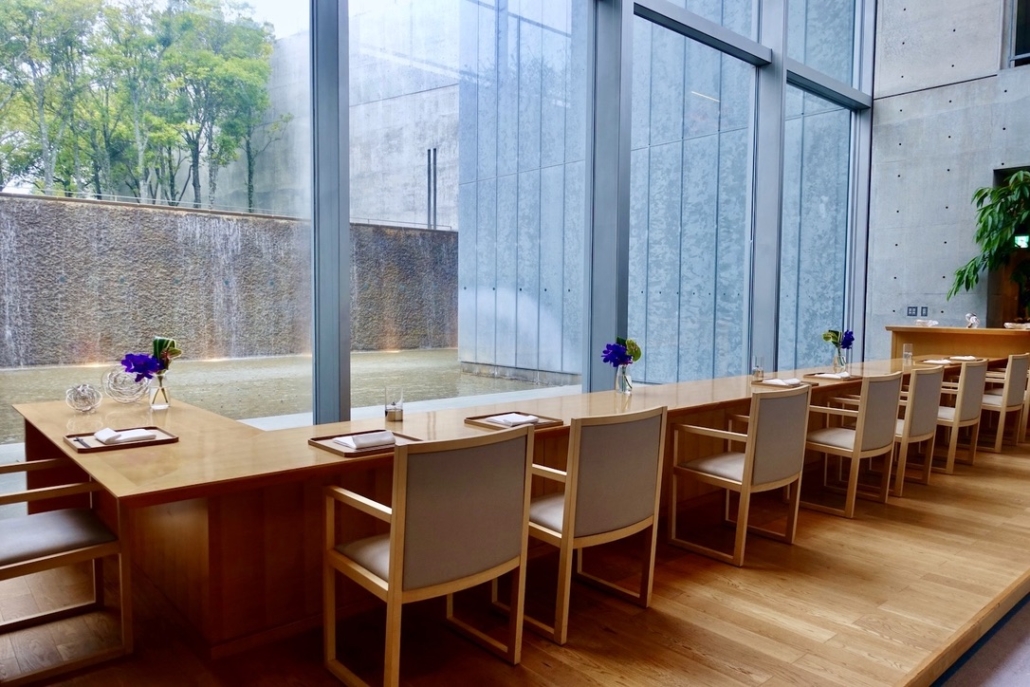
This is definitely not your usual luxury hotel! This property in the forested hills over Matsuyama, designed by renowned architect Tadao Ando,
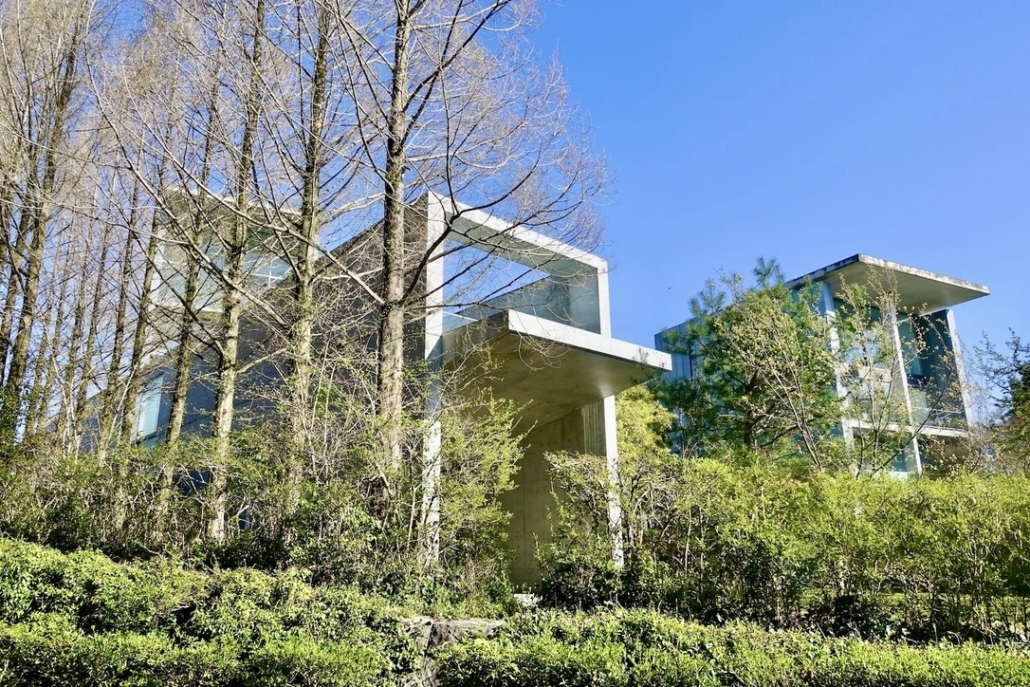
was first a corporate guesthouse and then a modern art museum.
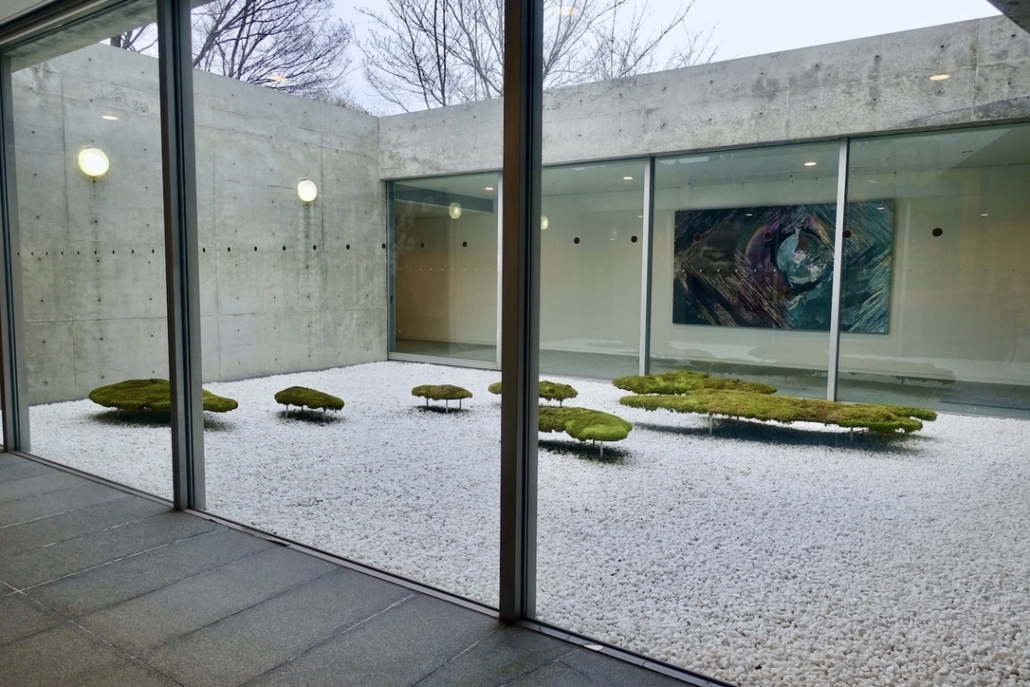
Since December 2015 it has been an exclusive, adults-only boutique hotel. When the hospitality brand of Onko Chishin took over, Tadao Ando was brought back to oversee the remodeling of this building.
From this emerged a serene yet living art space – it actually doubles as art gallery – with seven suites only. All of them measure over 100 square meters. The hotel’s design embodies minimalist luxury, featuring clean lines and understated decor. What a pleasure for the eyes and the senses. Nothing unnecessary interferes with your inner peace. My husband and I chose a Half-Open-Air Hot Spring Suite with Forest View
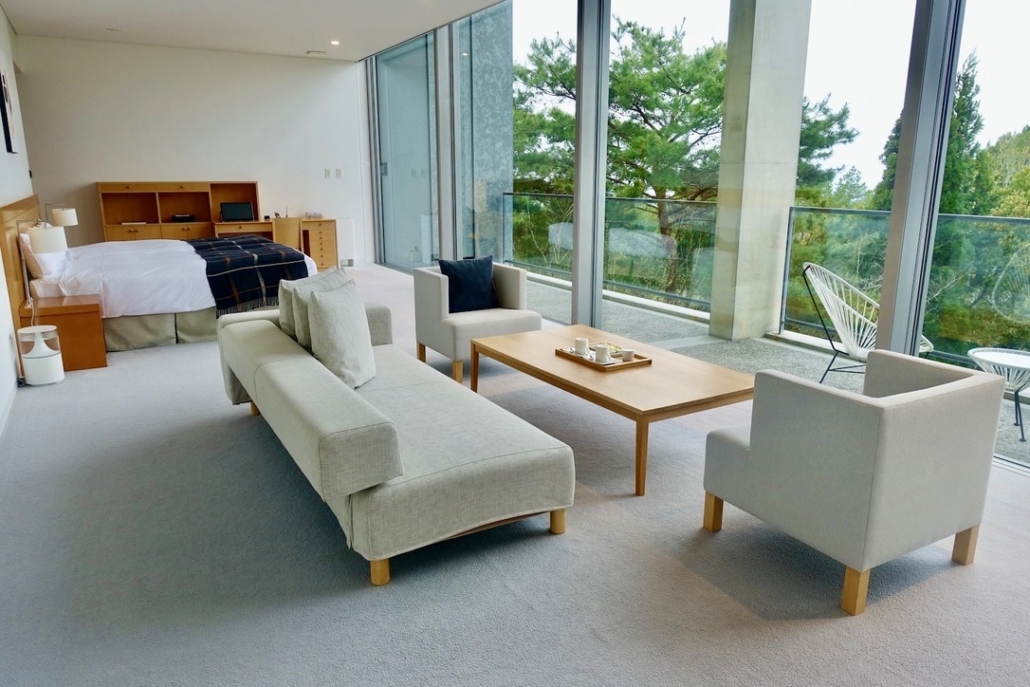
(117,879 Yen/night with dinner and access to lounge with free drinks, one Michelin Key) and were delighted by it!
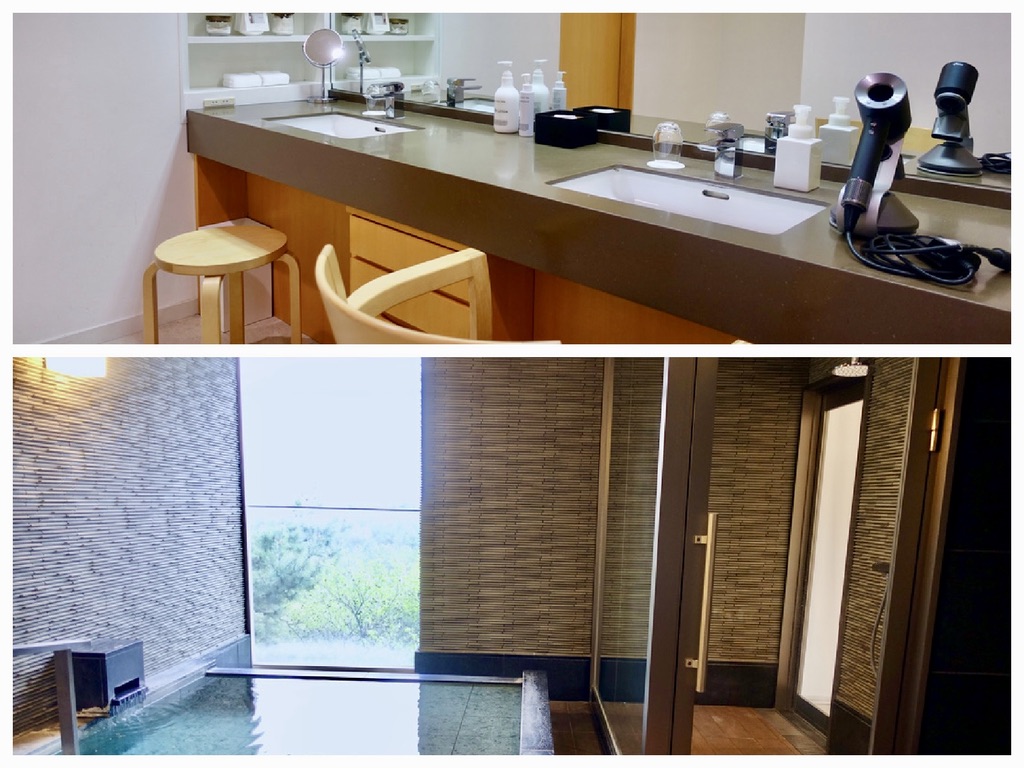
The most striking feature here is – yet everything is full of beauty – the magnificent pool that juts out over the mountain ridge. From this 30-meter/98-feet lap pool
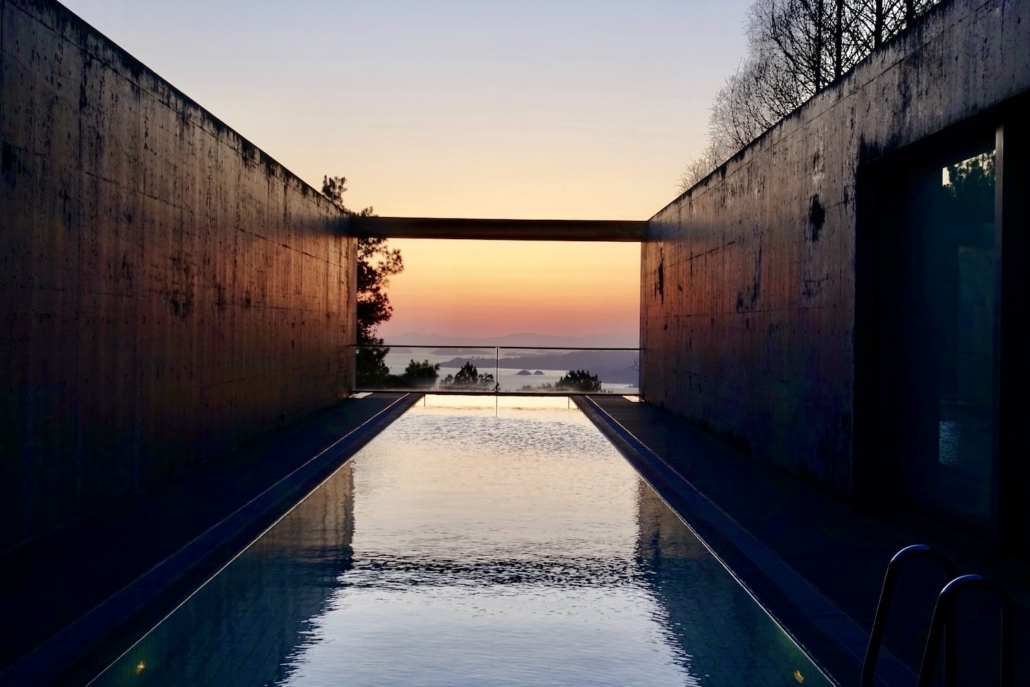
you have the most fantastic views of the Seto Inland Sea.
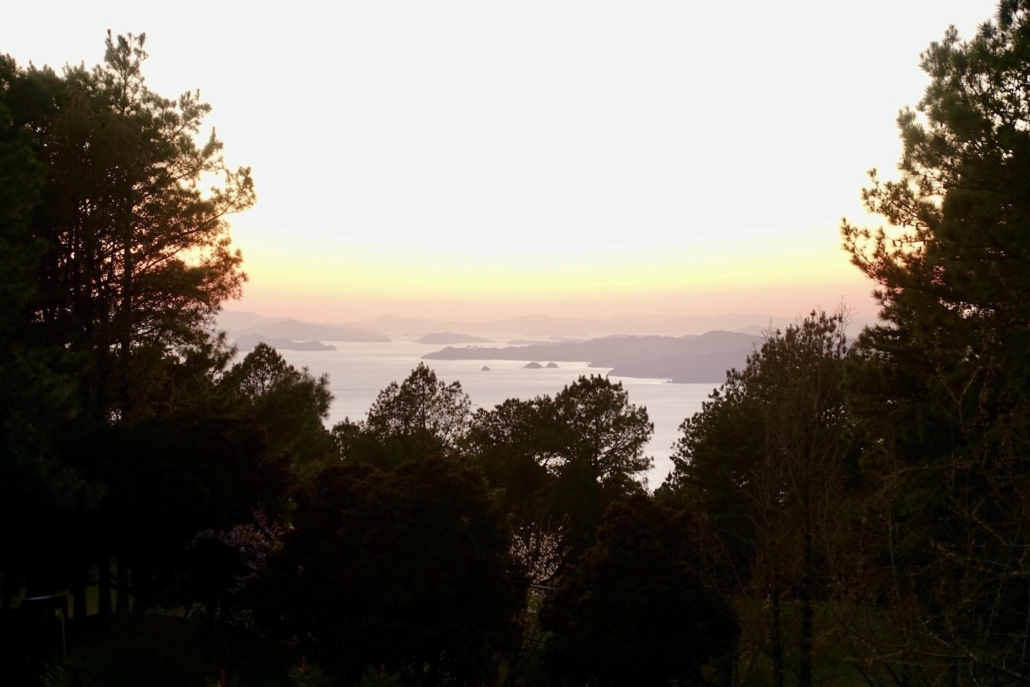
Staff here is great, ensuring that every guest feels attended to and valued. As to food you are in for refined kaiseki cuisine.
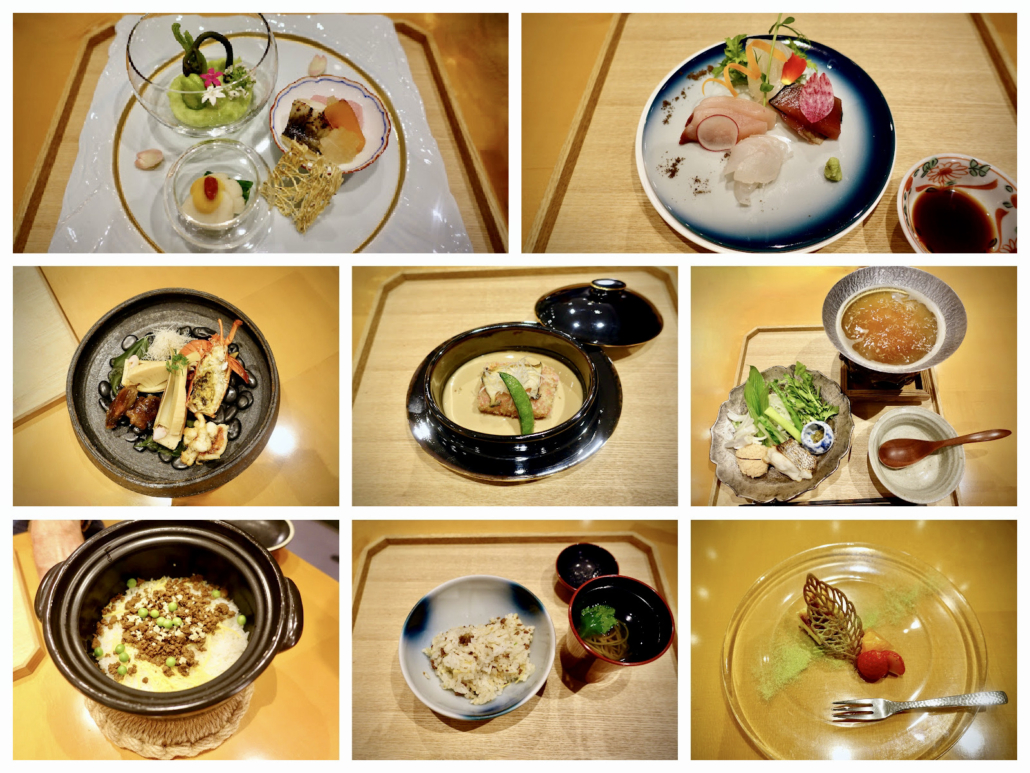
The breakfast on our first day was designed to impress with a story to tell.
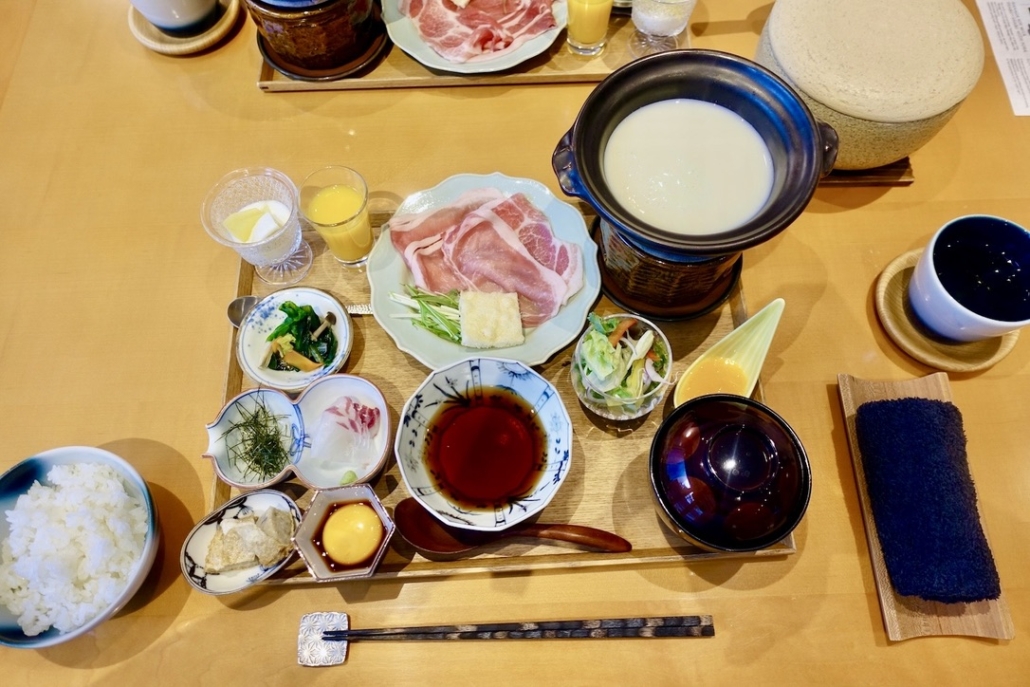
The ones that followed were less inspired and a bit on the small side, but still made with care. How wonderful that we found this treasure of a hotel!
Our luxury hotels in Japan’s lesser-known Honshu
After crossing the Seto Island Sea we did not venture far for our first stop on Honshu near Okayama. Then we headed to the so-called “Kyoto by the Sea”, the northern coastal region of Kyoto Prefecture about a 40-minute car ride from Kyoto. Our last stay in hidden Honshu was in the Mie Prefecture. Precisely, we stayed on the Shima Peninsula, a bit more than two and half hours by car south of Kyoto. And everywhere in this lesser-known Japan we found luxury hotels to our liking.
1. Kurashiki: Hotel Yoruya
The hotel’s best feature is its setting in a restored 110-year-old kimono merchant’s residence in Kurashiki’s Bikan Historical Quarter.
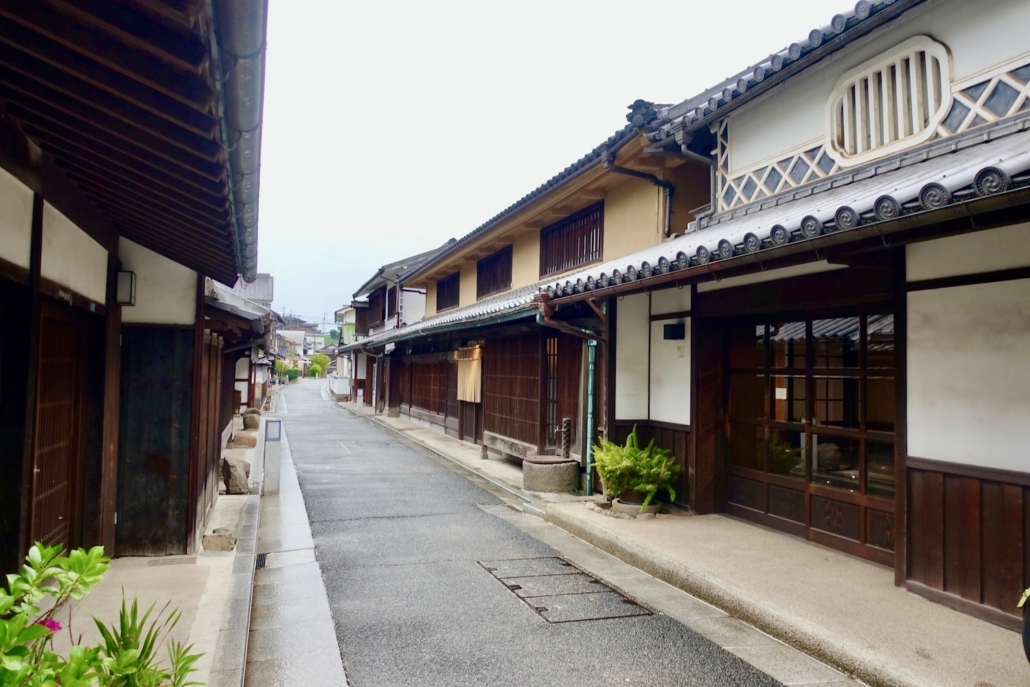
The renovation included historic and newly built structures, which were merged to create a unified entity (opened November 2024).
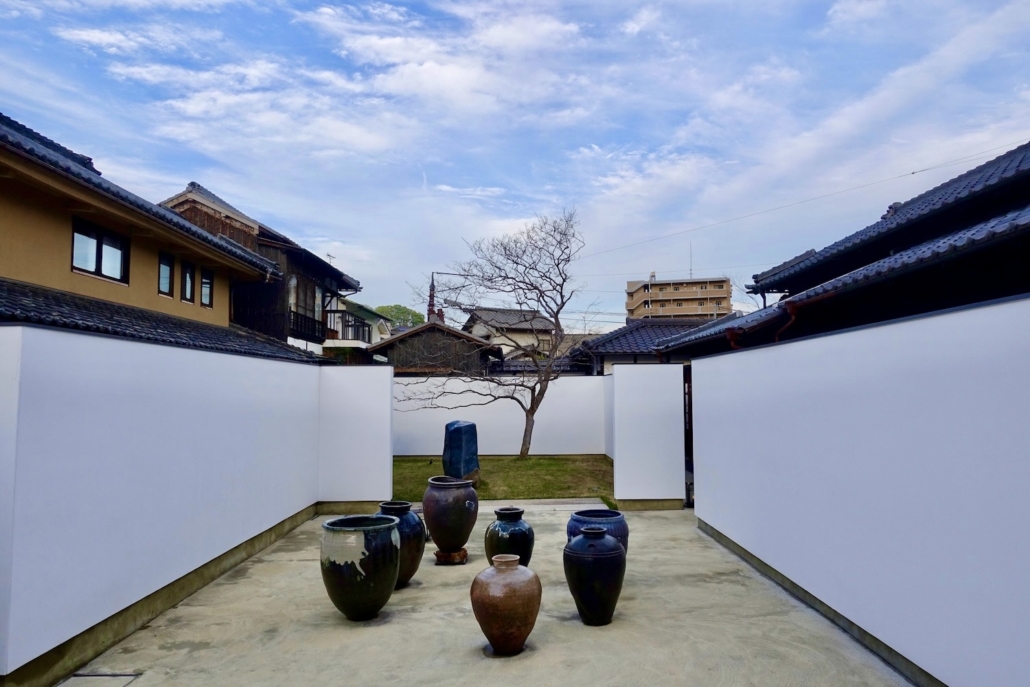
I liked the appeal of the property with a good mix of old and new. You would not guess that there is a luxury boutique hotel with 13 rooms behind the dark timber façade you meet on your arrival. This because the building looked more or less like all the other ones in this beautiful historic neighborhood. But unfortunately, there were some unfavorable aspects too.
Above all, I had mixed feelings about our room, a Maisonette-Renga
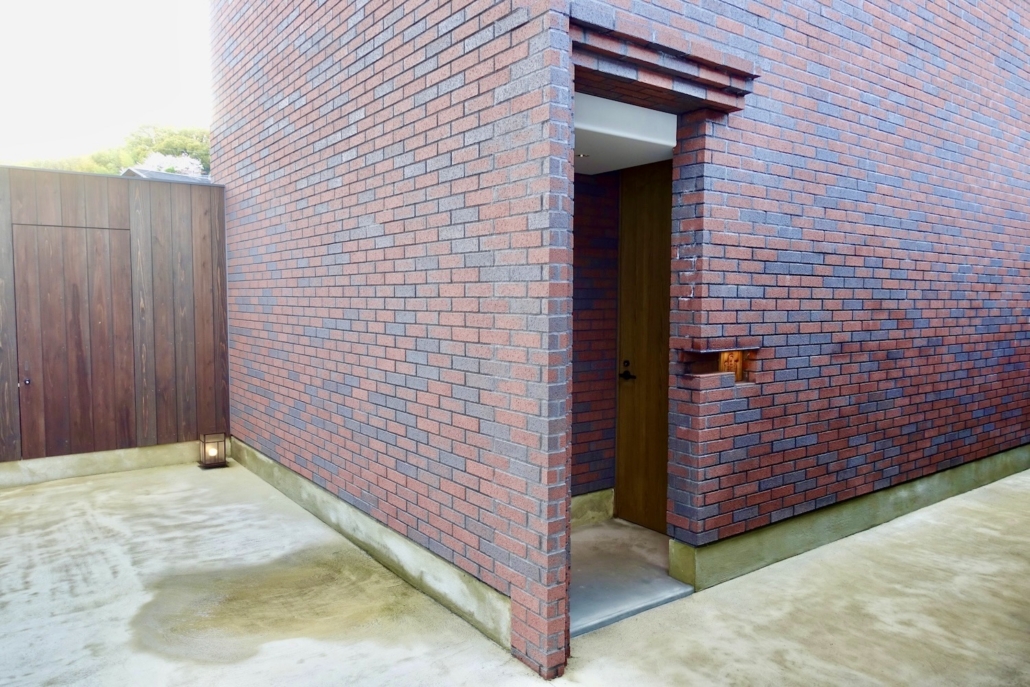
(48 sqm, 158,510 Yen/night with dinner). It was nicely designed
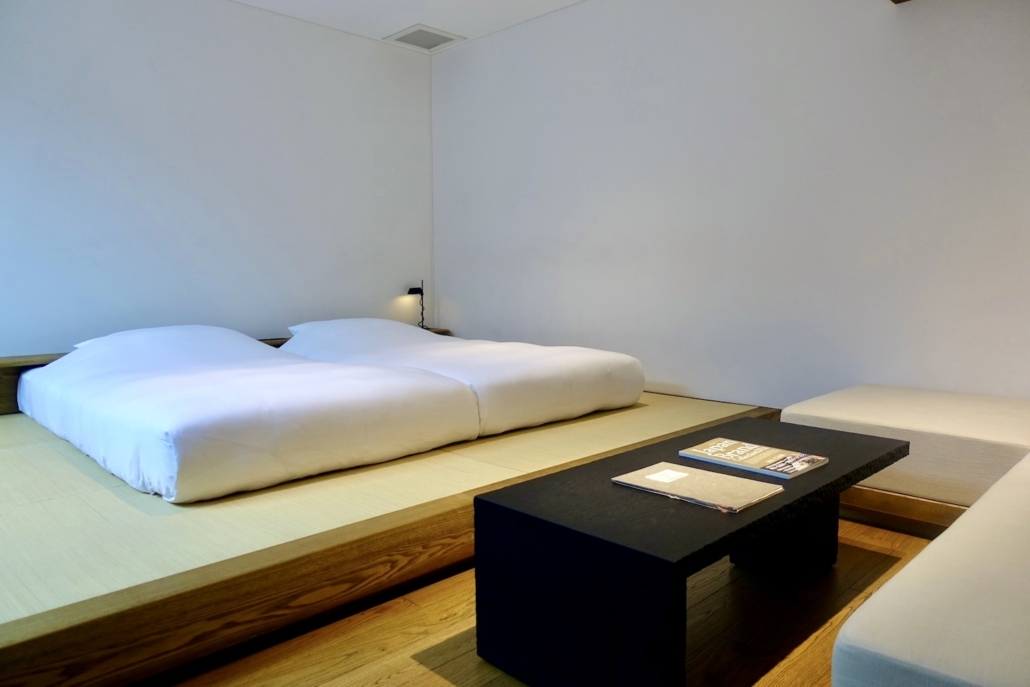
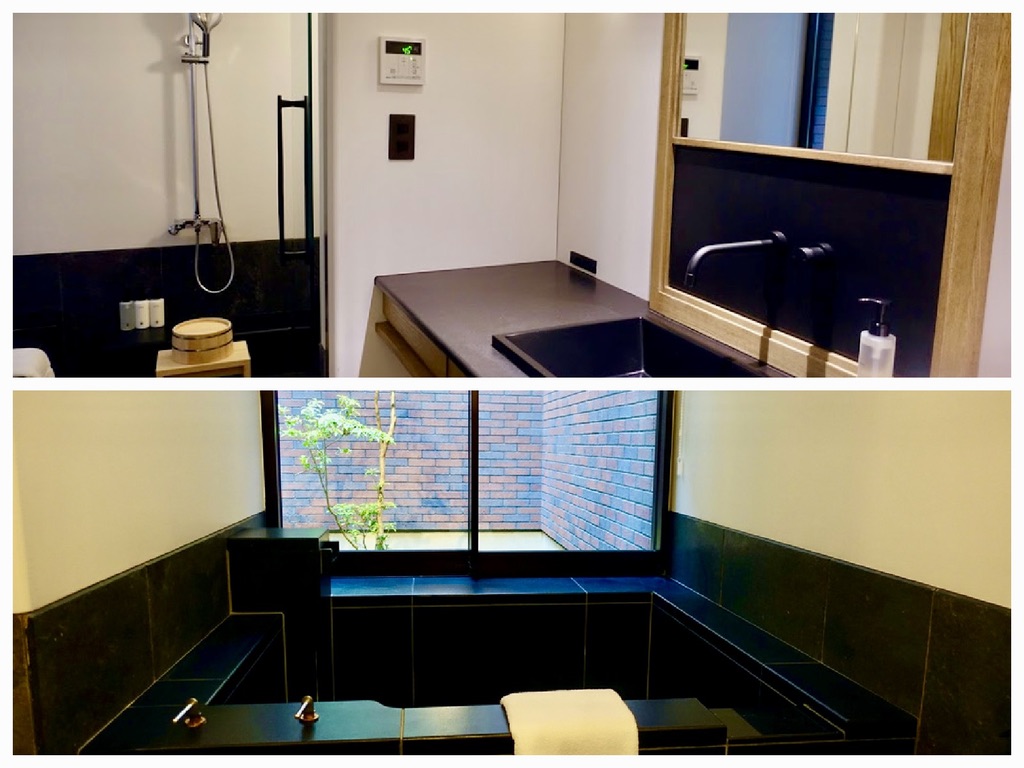
but the downstairs bathroom was not only rather cramped (sink area) but it was also chilly in here; both is true for the entrance hall too. And in the shower and tub area it was even freezing cold.
Then we encountered some culinary issues. Whereas we enjoyed our dinners,
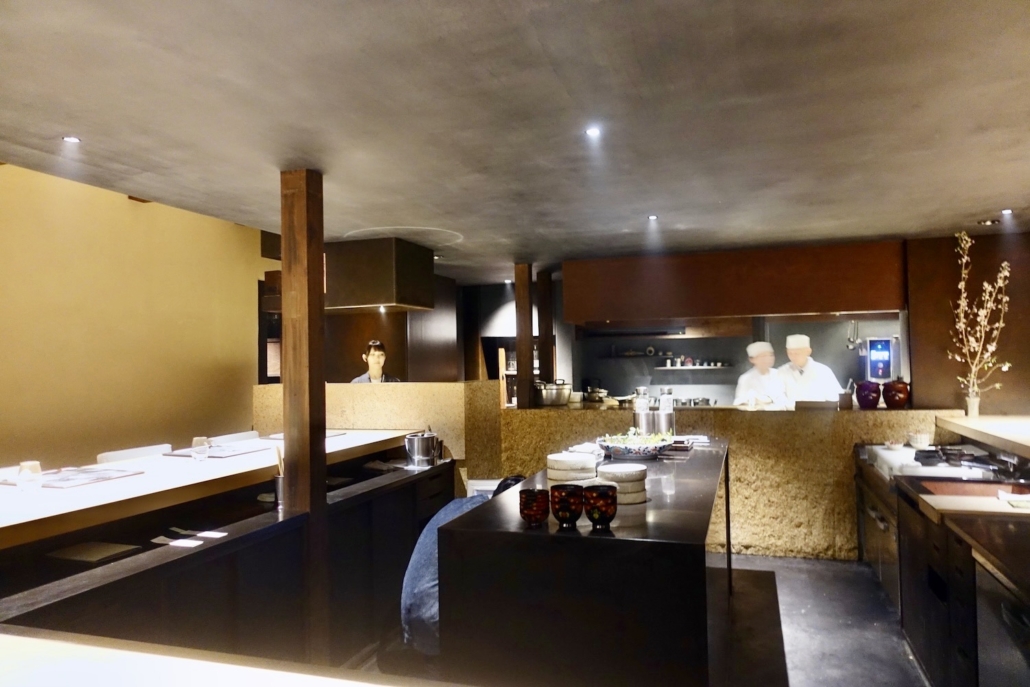
the second one was a bit repetitive.
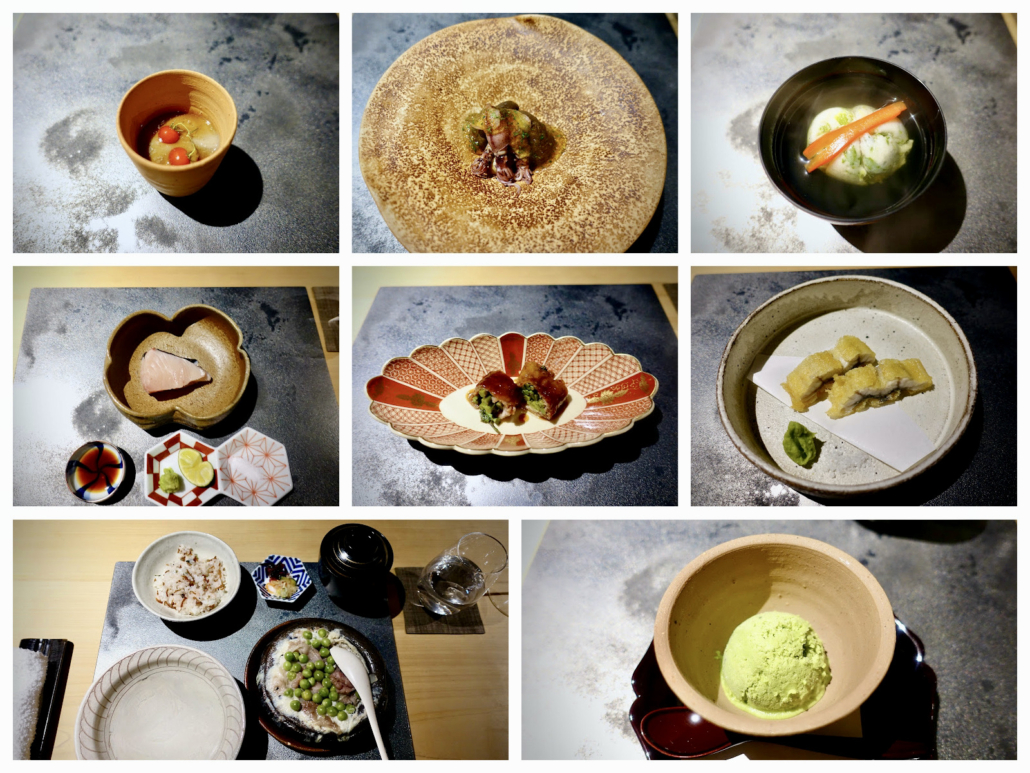
The Japanese breakfast was excellent,
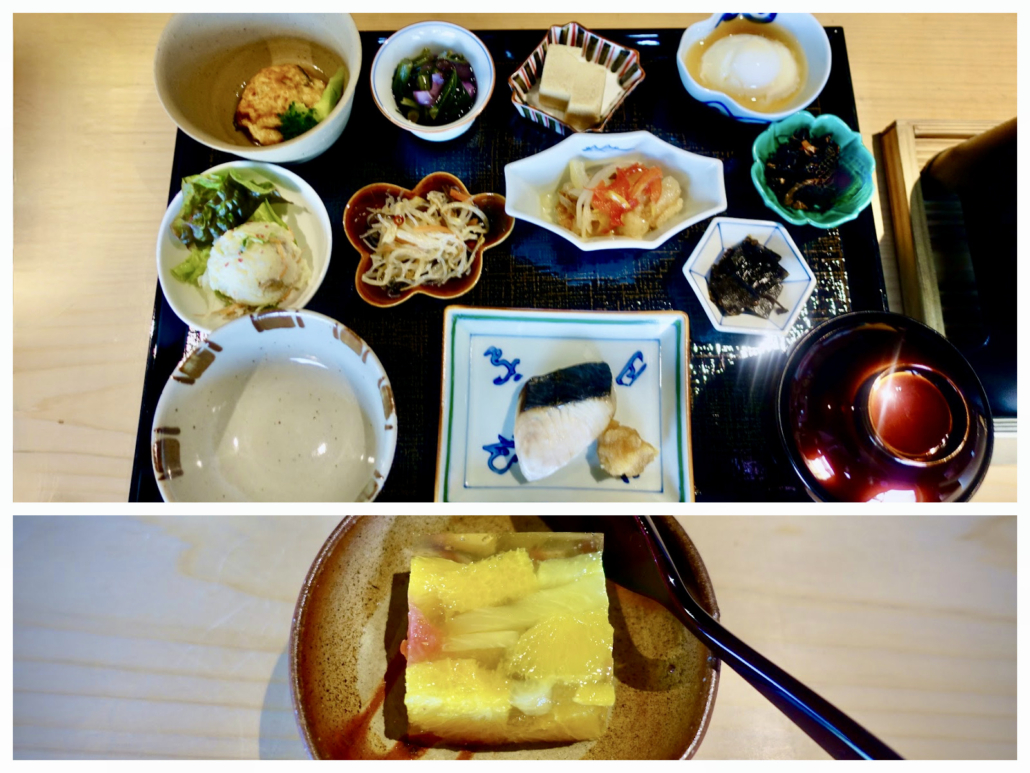
in contrast to the western one on the second morning. We also faced some challenges with the staff. A minor point was the failure to refill the water in our room on the second day. I also had doubts about their attitude because of how we were seen off upon leaving. Almost everywhere else in Japan we got a farewell with fanfare. Here, one employee said goodbye but the superiors I had just seen disappear behind a curtain did not appear to join in.
After considering our experience at Yoruya, I believe we did not receive sufficient value for the significant amount we spent at this hotel. It remains unclear if any of the problems experienced here are related to the hotel being part of the Marriot portfolio (we saw quite many Americans under the guests too). Be it as it may, I am not sure whether we would choose to stay here again.
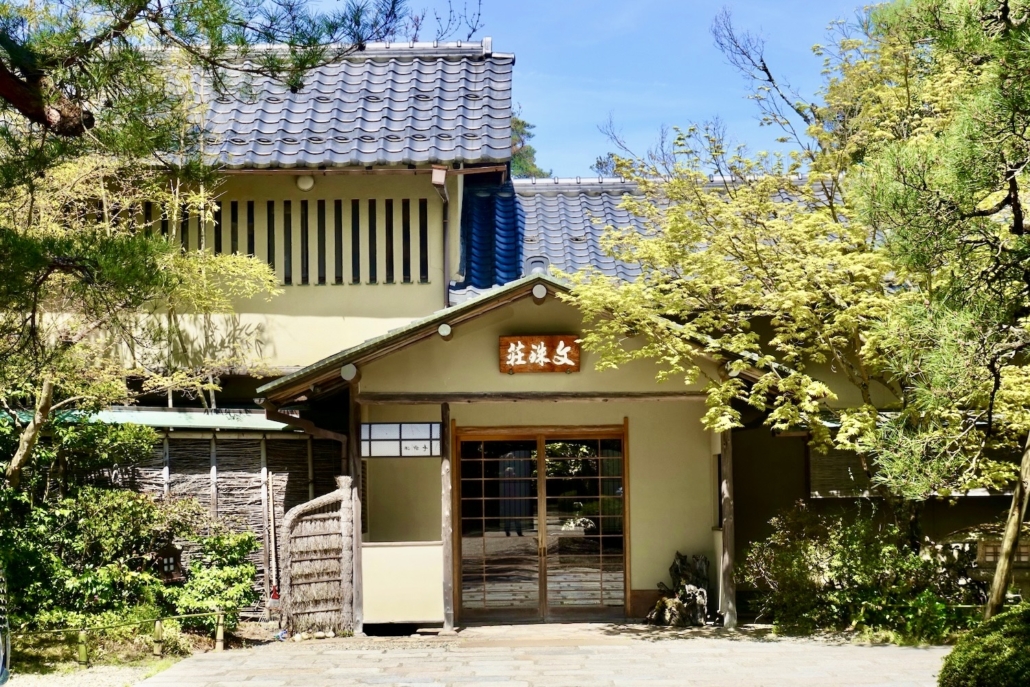
2. Kyoto by the Sea/Miyazu: Monjusou Shourotei
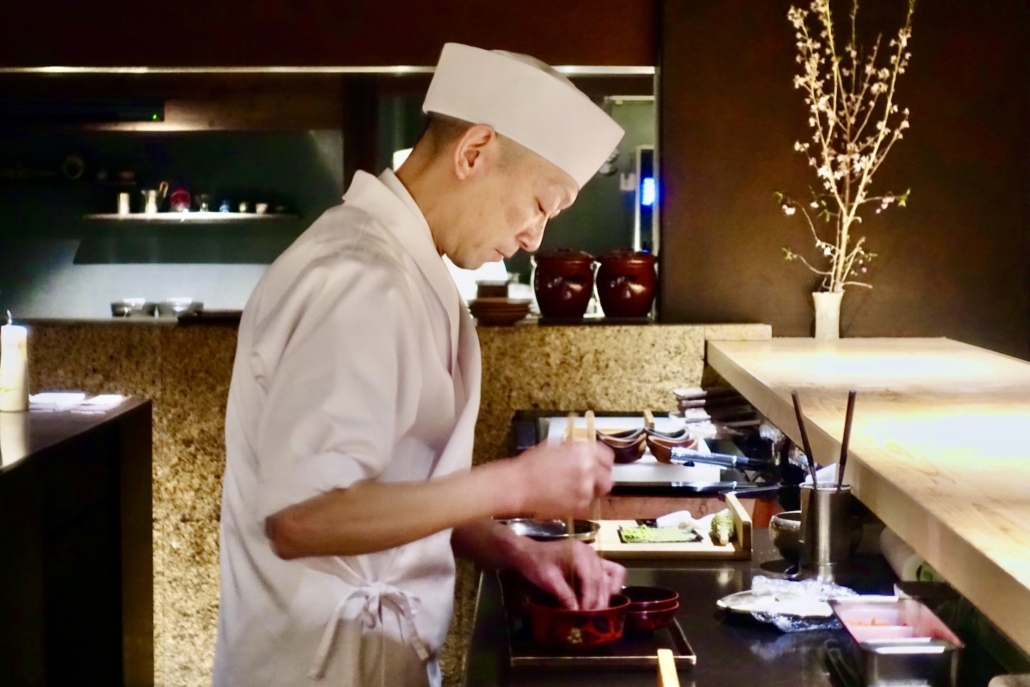
Monjusou Shourotei was the most traditional ryokan we had on this Japan trip.
That means there was a shoe-off policy right by the entrance and the meals took place in your own private dining-room. On arrival day, a staff member came to our guest room to show us to the one in question. Also the kaiseki dinner followed long-standing established standards. It was very good,
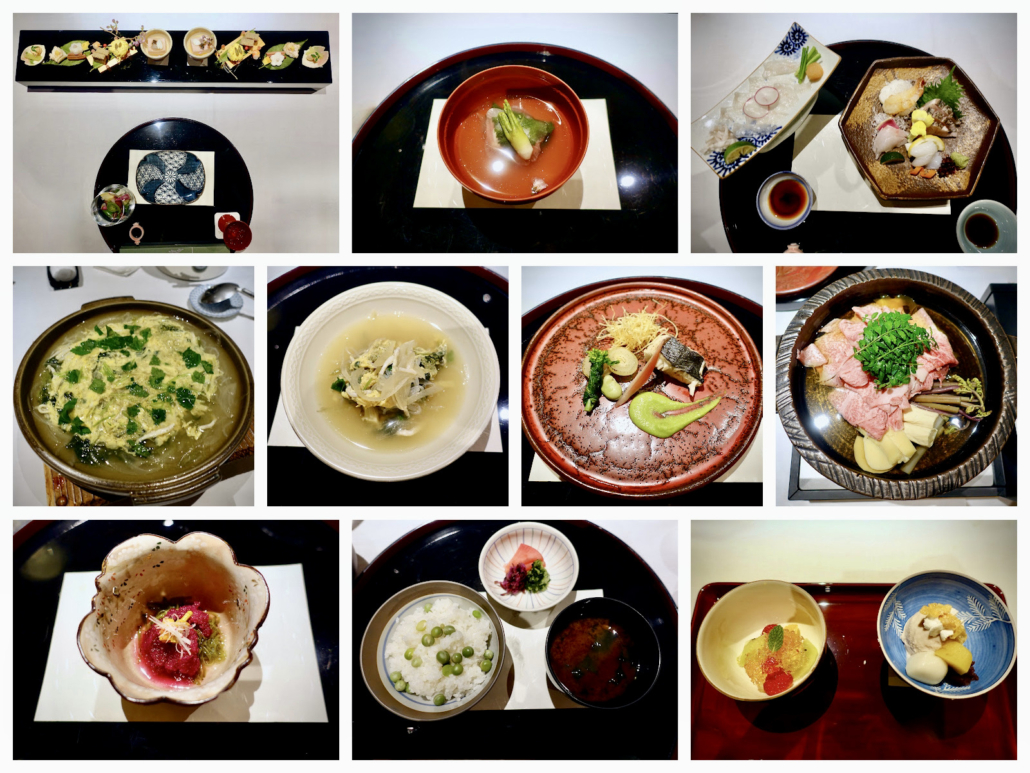
the same was true for the breakfast.
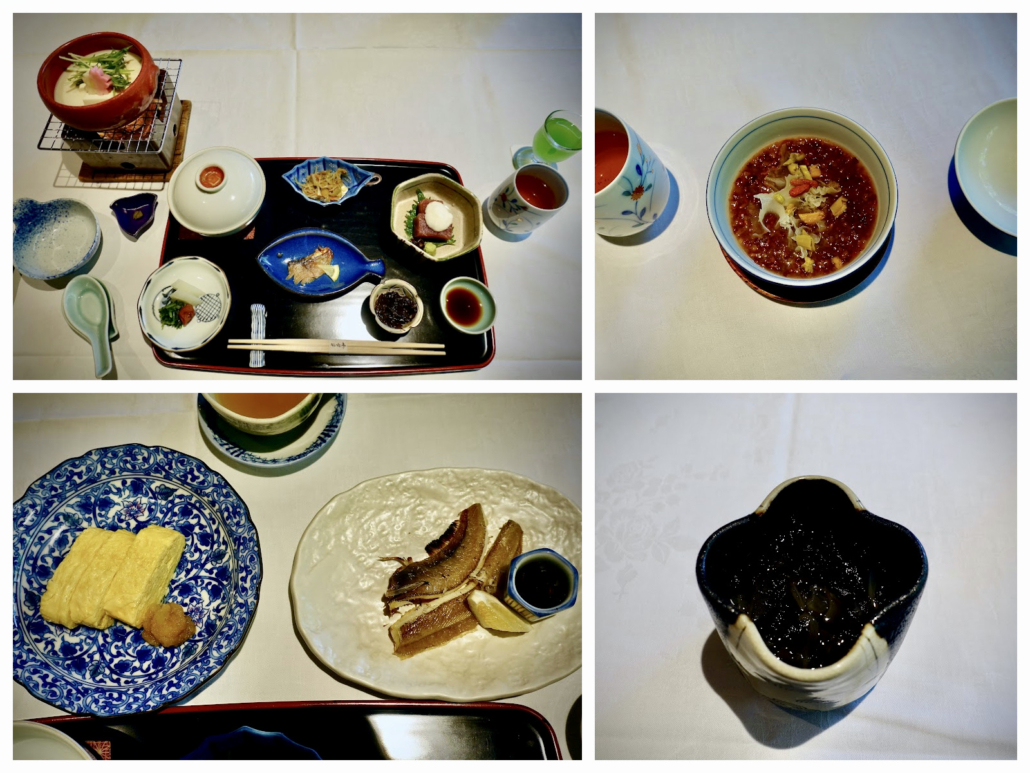
While everything was very elaborate on our first day, this was less so on our second day. This applies for both, diner and breakfast. But it was still an impressive affair.
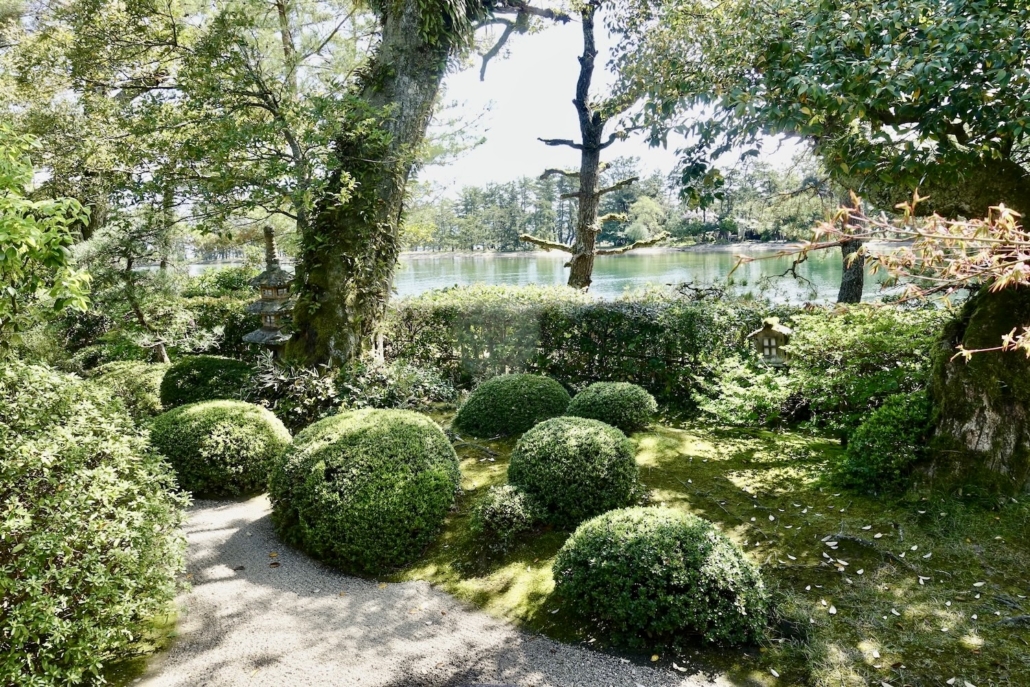
The ryokan has an excellent location, just on a quiet, forested spit of land across the famous sandbar of Amanohashidate in Kyoto’s north.
Out of the 7 seven rooms, which are all newly renovated, we went for an entry-level one. It is about the one called Shoukin (101,400 Yen/night with dinner), which is one of two traditional ones.
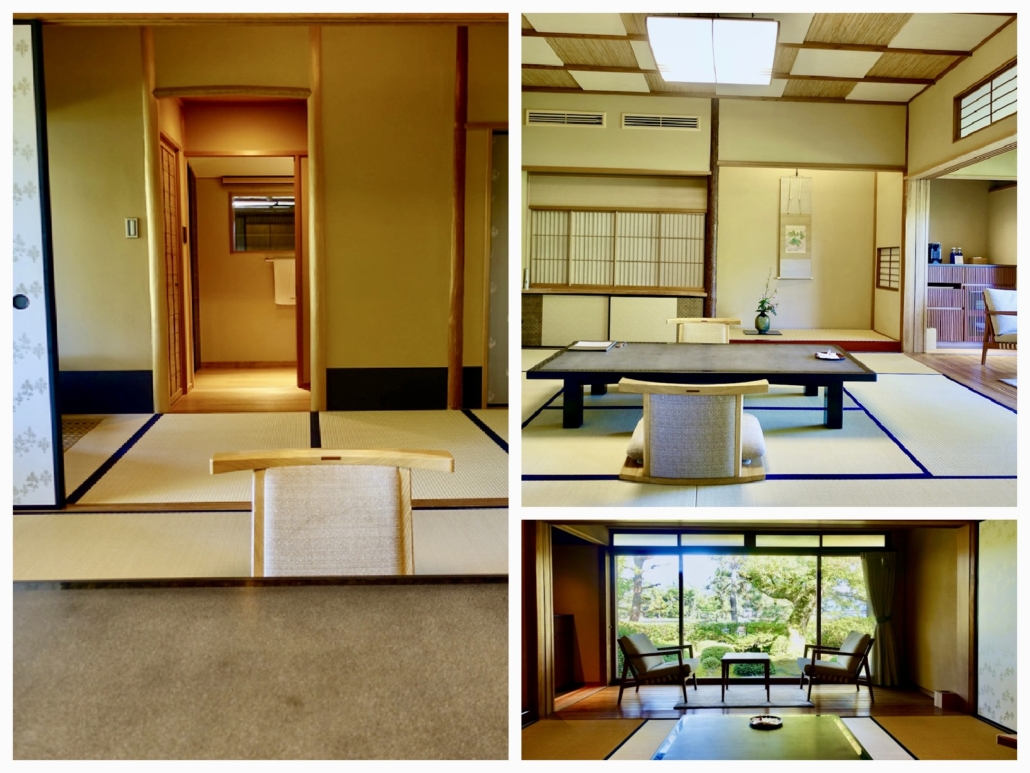
The room spans 25 sqm, constructed in the traditional 8 tatami-mats and 4-tatami mats configuration. You sleep on futon beds that are stored away during the day.
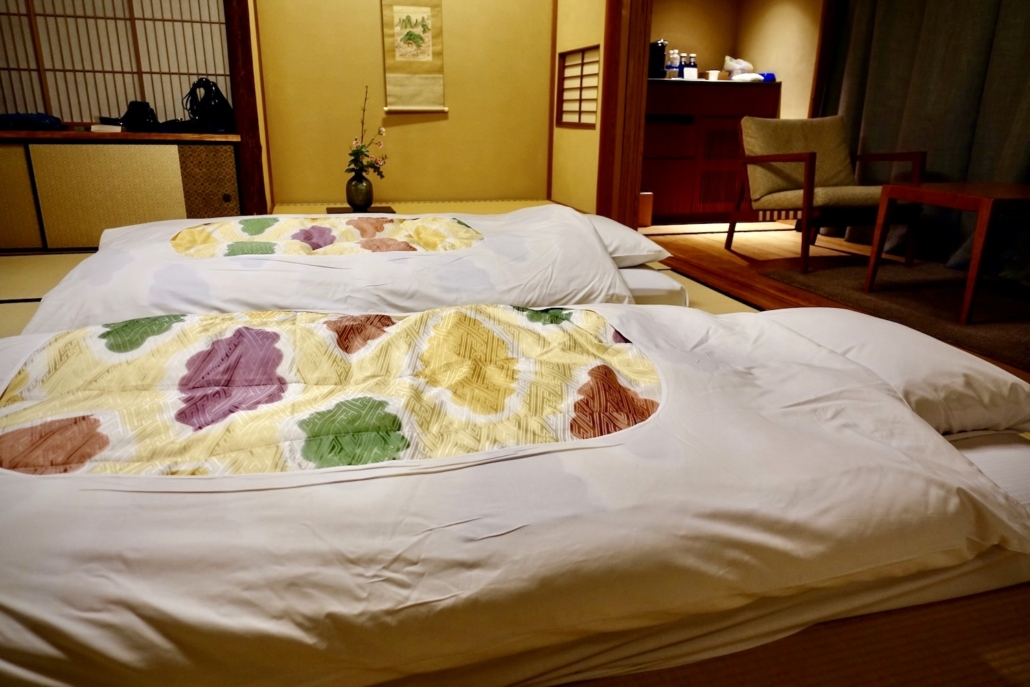
And you have a front-row view of the mentioned sandbar and the picturesque Aso Sea. The bathroom is small yet functionally furnished.
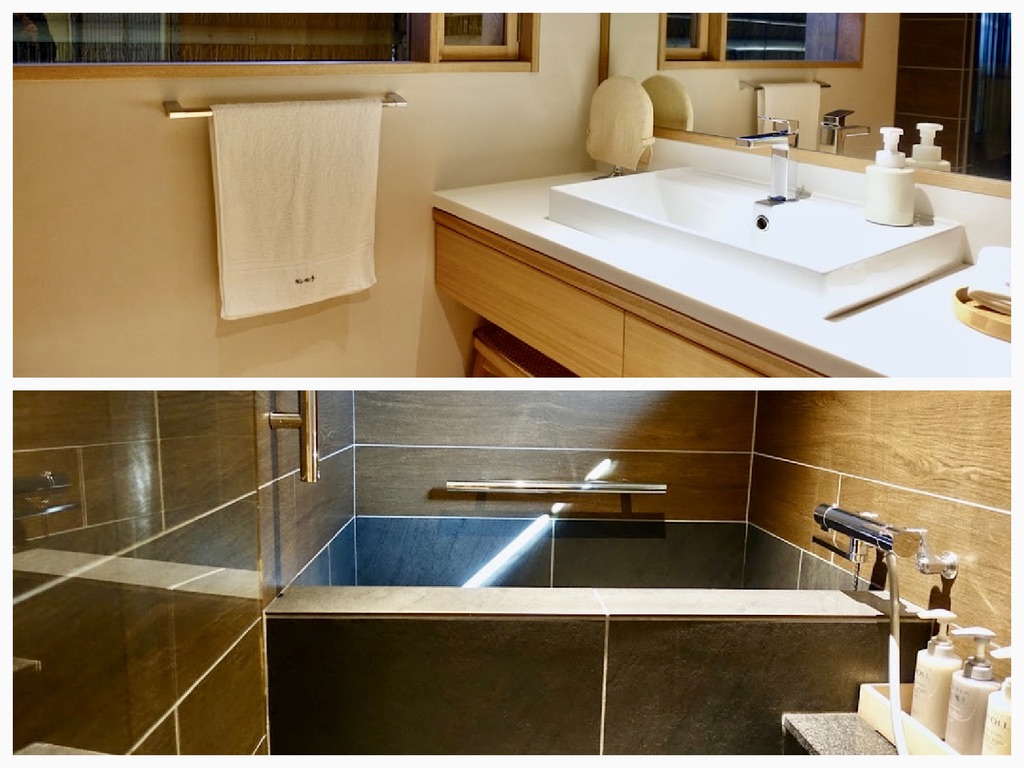
In contrast to the larger, more modern suites, there is no hot spring onsen. The premium ones also come with their own sleeping rooms.
During our hotel stay, we met the typically renowned Japanese hospitality. Everything was perfect from the start to the end. I would recommend this lodging without any reservation, especially so in case you want to experience how it is being in a truly traditional ryokan.
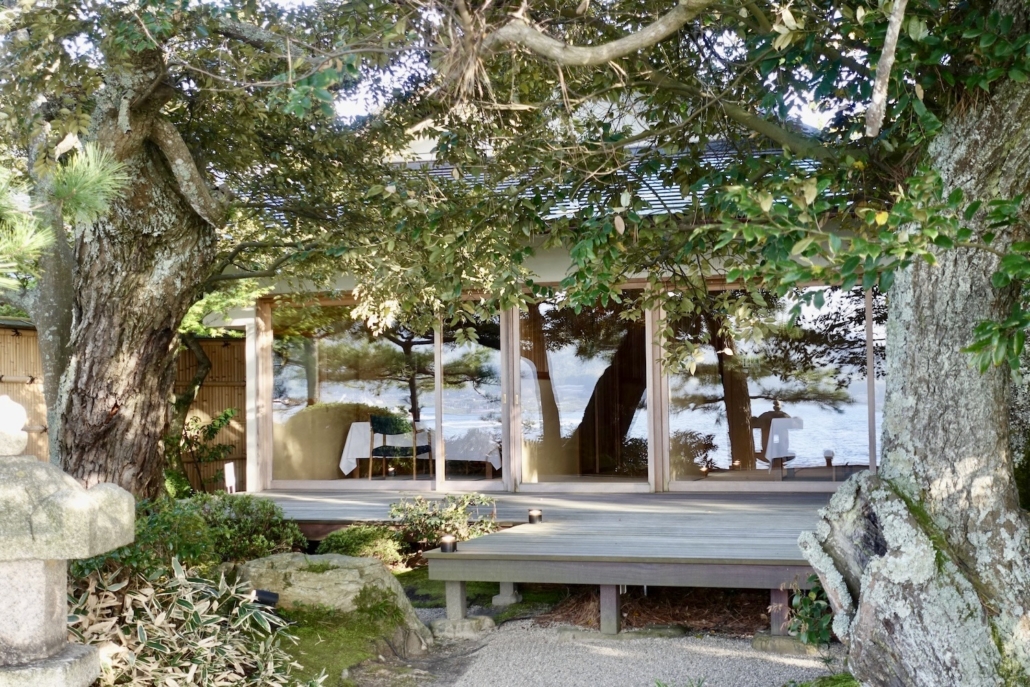
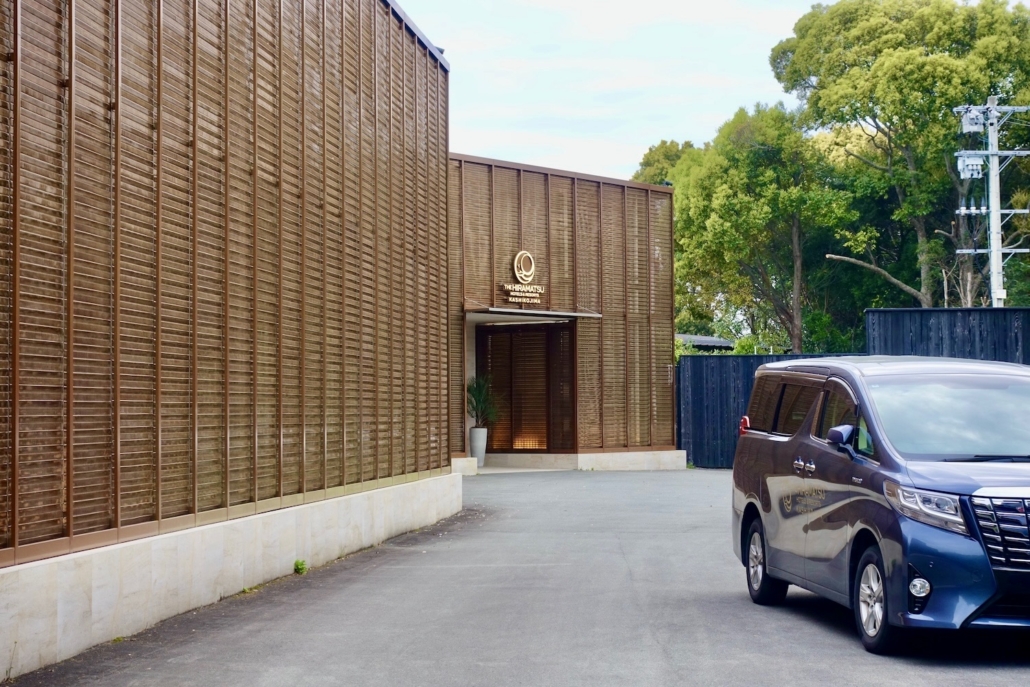
3. Shima Peninsula: The Hiramatsu Hotels & Resorts Kashikojima
Here in Kyoto’s south on the stunning Shima Peninsula you find the first property of the Hiramatsu hotel group, founded by chef Hiroyuki Hiramatsu.
This name achieved fame when its Paris location became the first Japanese-owned French restaurant to receive a Michelin star. The high standard of culinary excellence is applied in the Kashikojima kitchen too (chef Masato Imamura in charge). The menu merges classic French techniques with the high-quality produce of the region. You get here an outstanding multi-course dinner, which included not only premium ingredients but foie gras too.
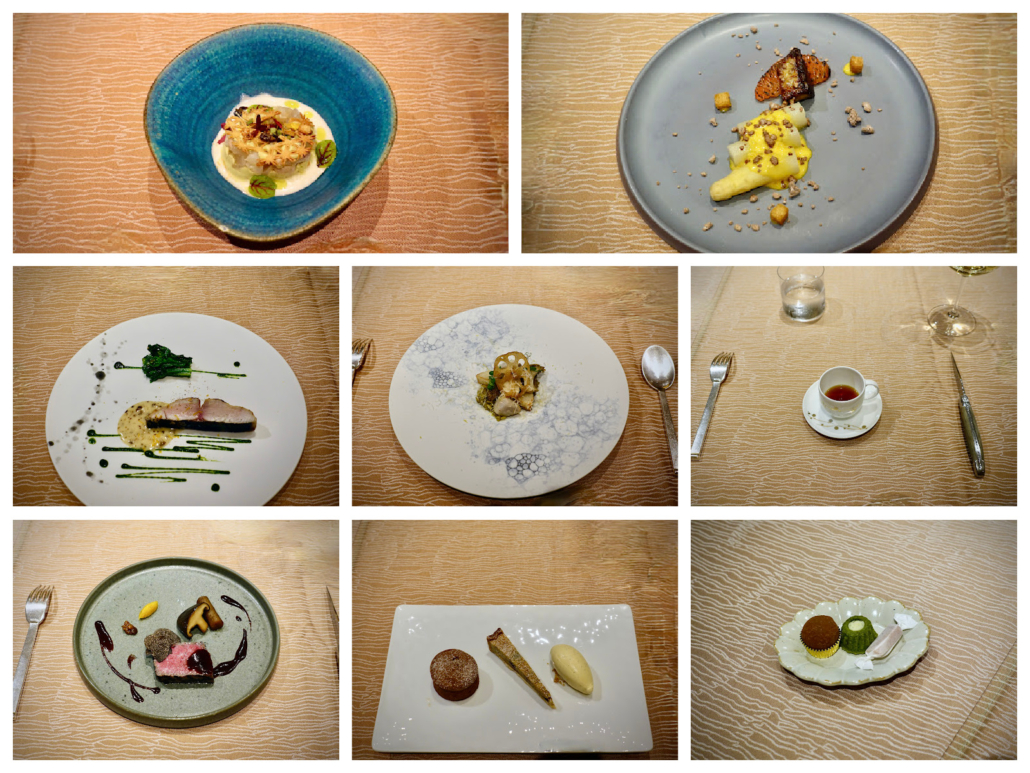
And this was the case every night on our three-night stay. Also the breakfast was top-notch.
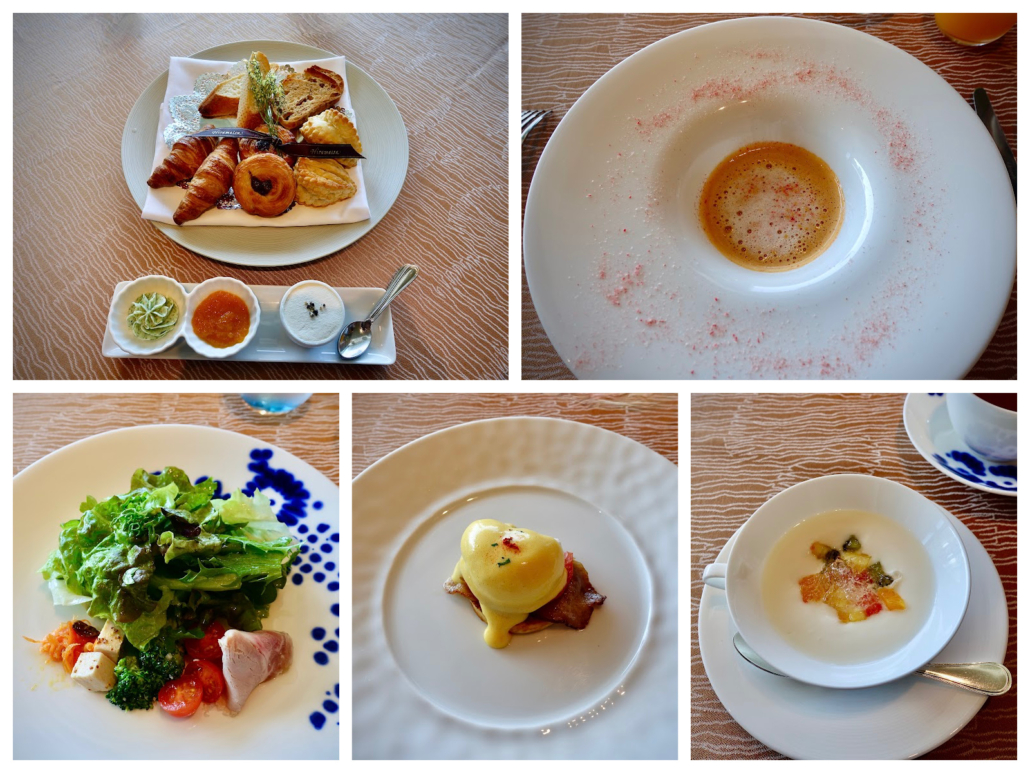
Due to its strong focus on gastronomic mastery, this lodging is considered as upscale fine-dining restaurant with rooms. There are eight of them, the smaller Deluxe ones in the main building, the larger Executives ones with private onsen in the Annexe (194,000 Yen/night with dinner). We had one of the latter
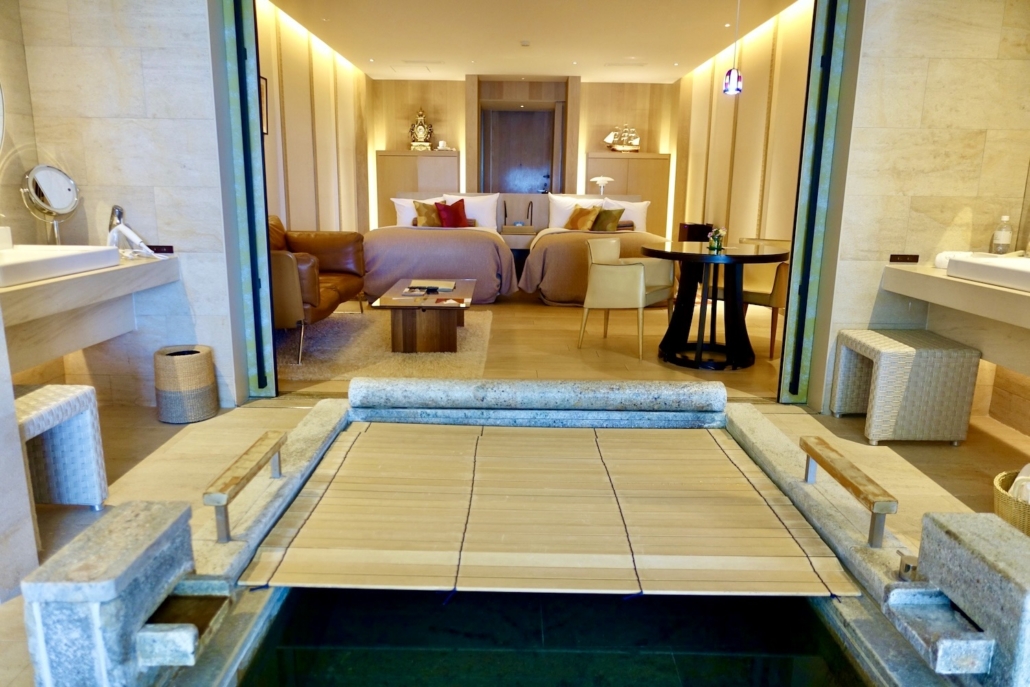
and loved the oversized bathroom with the onsen in its center in particular.
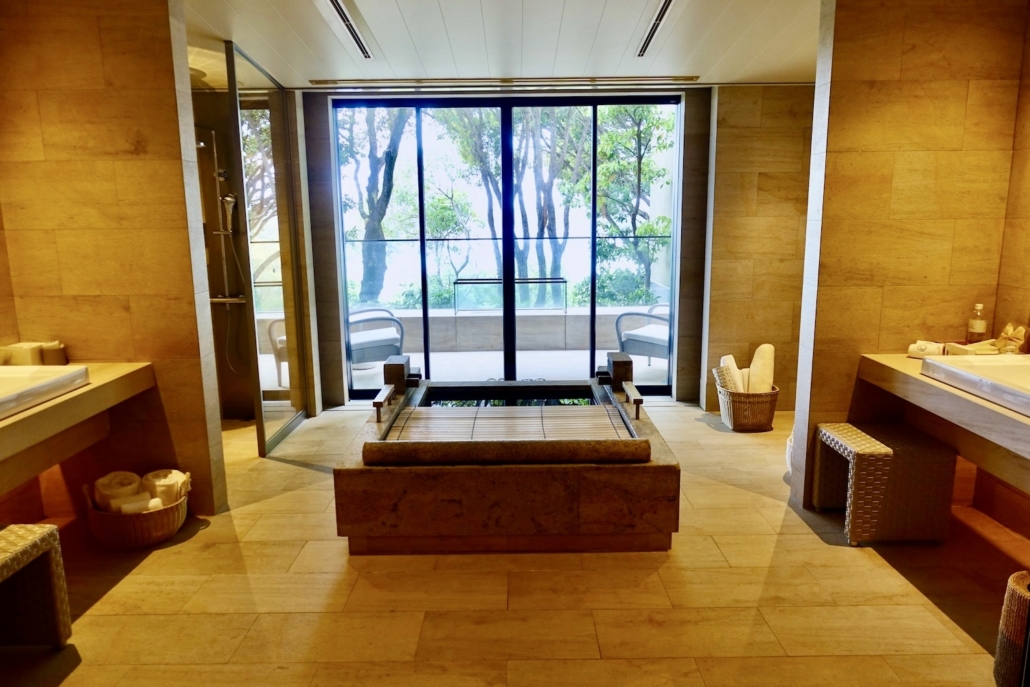
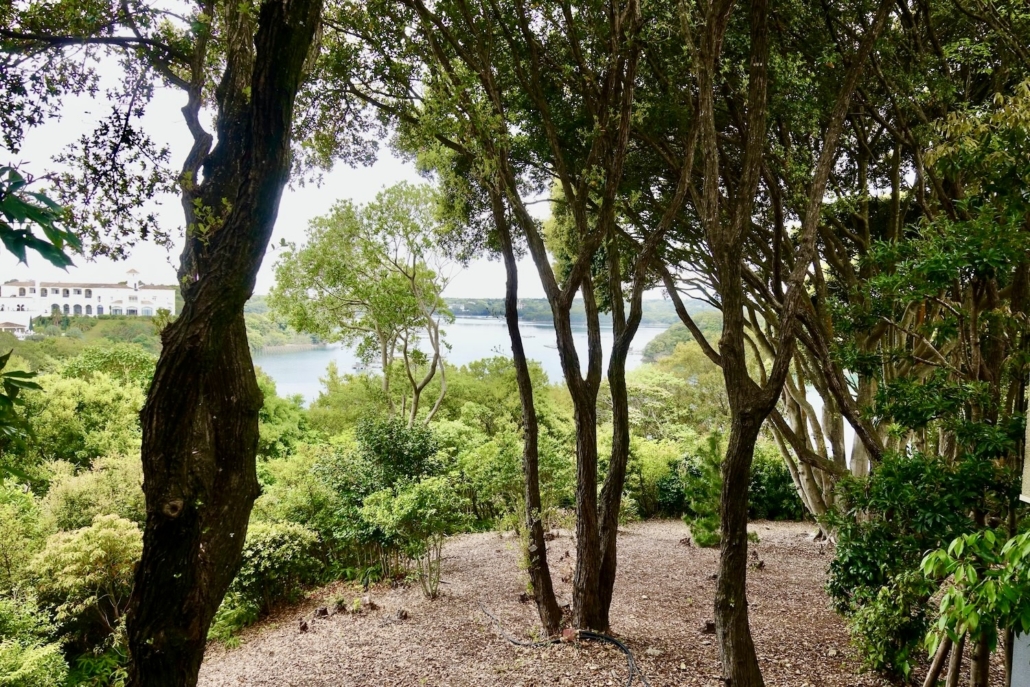
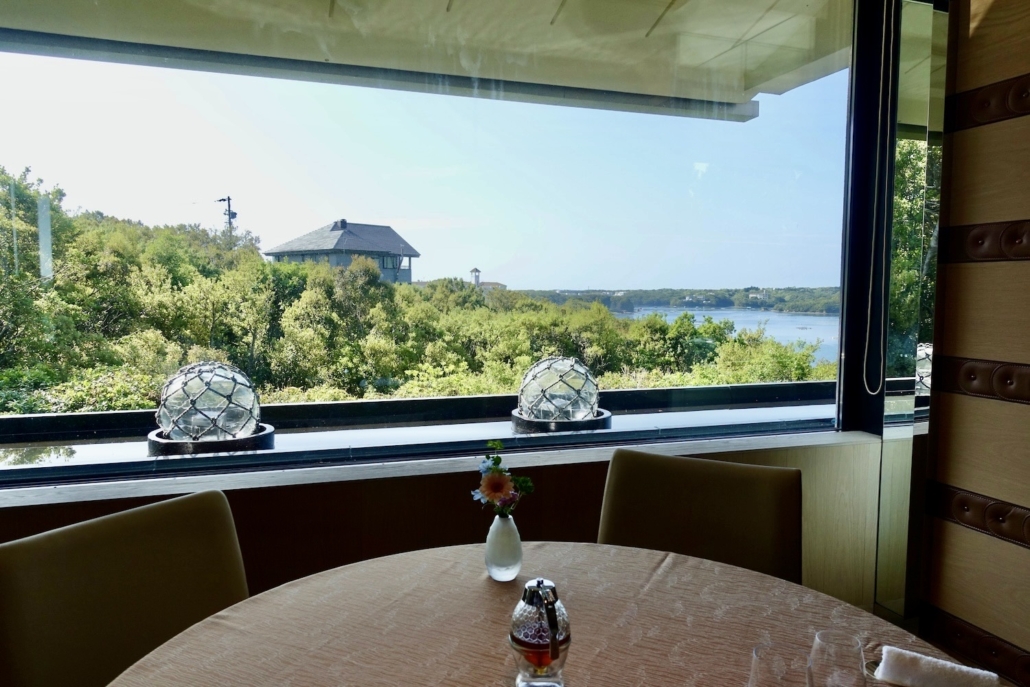
From here we had a great view of the scenic Ago Bay.
At Hiramatsu Kashikojima they operate on the concept of a western ryokan. While the food of course is not Japanese, other aspects are, just as having your meals at a private dining-room.
Michelin awarded the hotel a Michelin Key.
What struck me most here was how the staff monitored our coming and leaving. While we had experienced this in Japan before, here it was taken to the extreme. Yet they had good intentions and we did not really mind. When it came to their command of English, not all the employees were fluent but they succeeded to some extent. As to the service quality, they embodied the classic celebrated Japanese hospitality at its best. My verdict: come here for excellent French cuisine as well as cordial and attentive service.
About my second trip to lesser-known Japan posts
While this post was about all the luxury hotels my husband and I were (without Osaka and Kyoto) on our second trip to lesser-known Japan, my first went into the underlaying itinerary. Here I made one of My Google Maps that come with the route, all the upscale lodgings, fine-dining restaurants and cafés plus the activities.
The topic of my next and last blog post will be about the fine-dining spots we were on this journey outside of the hotels we stayed.
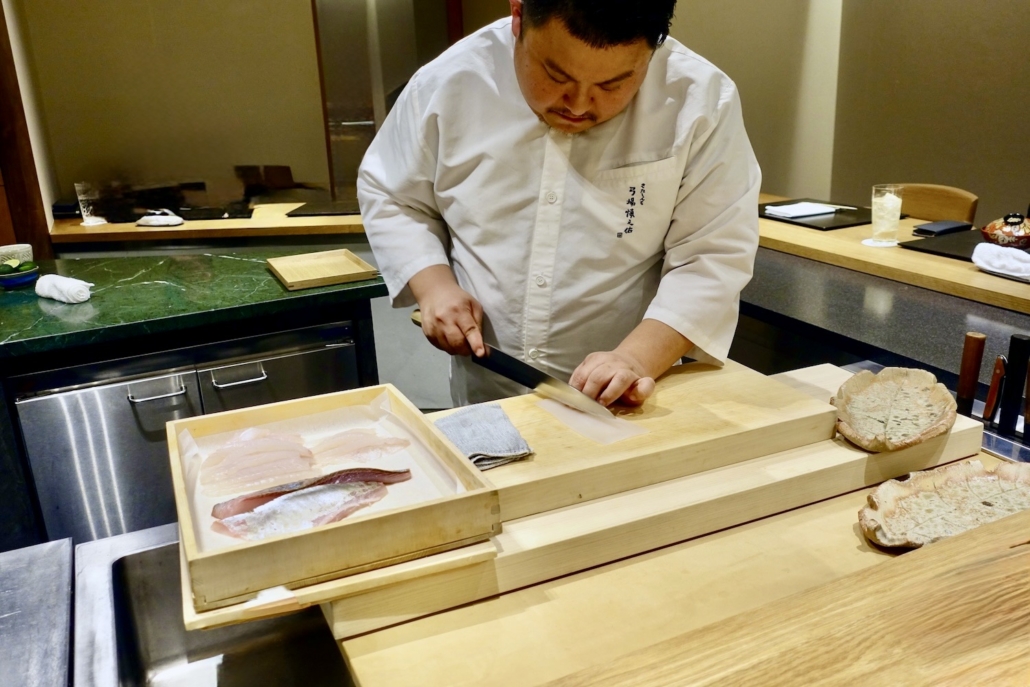
In this context, you have to be aware of the fact that the dinner in Japan is often included in the accommodations you typically find here, especially in the countryside (ryokans and similar establishments). So, there is in many cases no need to look out for off-site restaurants. Though, we had quite a few of them and – as almost always – I frequently relied on the Michelin Guide when choosing them.
Date of stay: April 2026
Pin it for later
The post Where to stay in style on a second trip to lesser-known Japan first appeared on Swiss Traveler



Leave a Reply
Want to join the discussion?Feel free to contribute!